






When it comes to building a bag of golf clubs, the seemingly endless choice golfers have of both brands and models can certainly make the process of deciding feel overwhelming. One of the first questions you may ask yourself is: "What type of golfer am I?" One term that gets banded around a lot is 'game improvement', but what exactly is a game improvement golf club and who is it aimed at?
WATCH: We test and compare the best game improvement irons in 2024
The clue is somewhat in the name in that a 'game improvement' club is one designed to offer assistance to a lesser-skilled golfer looking to improve their game, mainly through additional forgiveness in the form of higher MOI. In the case of irons and wedges, they tend to be larger in size to provide more margin for error, and in the case of drivers they are geared more towards stability and launch rather than workability or low spin. Let's take a look at what makes game improvement clubs and who should be using them.

The Black Ops is PXG's first game improvement iron. Featuring an innovative dual cavity design and a high strength, ultra-thin Maraging steel club face, it delivers superior forgiveness and explosive distance.
Clubhead Design
Game improvement clubs typically have more technology incorporated into the heads. While clubs for better players include the best golf blades and others that are more feel orientated, game improvement clubs are designed in a way that makes them easier to hit by correcting the effect of mishits that inconsistent golfers are prone to. Game improvement irons and the most forgiving wedges tend to be cavity backed, which means they are heavily perimeter weighted to assist with launch and off-center stability.
There is a growing trend towards hollow-headed game improvement irons and compact distance irons, where the cavities are enclosed for a cleaner look while also sometimes allowing for a foam-like material to be injected inside to improve the sound and feel qualities of the club.
Game improvement metalwoods tend to have shallower faces and larger address profiles to make them look friendlier on the eye and are geared towards accuracy, often through internal weighting that increases the draw bias of the club. This is crucial as the majority of golfers that are suited to game-improvement drivers tend to struggle with a slice. They may also be slightly lighter in construction to help maximise swing speed. High-handicap golfers would, in most cases, be better off opting for a larger headed mallet putter too in order to benefit from the extra alignment and stability these bigger heads offer on the greens.

The inner cavity on the PXG Black Ops iron is filled with a lightweight polymer called XCOR2, which dramatically enhances both the feel and forgiveness.
Visual Hallmarks
Game improvement clubs will have a bigger footprint down behind the ball versus a club aimed at the low handicapper. Hallmarks of game improvement irons, like the new PXG 0311 Black Ops, would be things like a thicker topline and longer blade length from heel to toe to inspire additional confidence at address, offset to help reduce a right miss (for a right-handed golfer) and a wider sole to provide more forgiveness through the turf.
It has to be said that modern game improvement irons have become much more refined and compact than they were a decade ago with manufacturers finding ways to pack in similar if not more forgiveness into a smaller chassis through use of tungsten weighting and other methods, so you shouldn't need to deviate from a traditional look at address to gain maximum assistance on your approach shots.

Game improvement irons, like the PXG Black Ops, tend to present some offset at address to help create a straighter ball flight.
Performance bias
In the case of irons, game improvement irons are more distance-orientated. This comes in part from the additional technology that usually gets built in to the heads but also the stronger lofts. Where a 7-iron in an iron set for low handicappers comes in at around 33°, a 7-iron in a game improvement iron set will measure in at anything from 27° to 30°, which equates to roughly 10-15 yards of extra distance.
Manufacturers are able to strengthen the lofts of game improvement irons while maintaining optimum ball flights because of the additional launch and ball speed that comes from lower center of gravity design. You may also find that game improvement irons are built with slightly longer shafts to help the golfer generate more speed.

For golfers seeking distance in a sleeker package than the Black Ops (right), the new Gen 7 0311 P iron is a compelling option.
Set composition
With game improvement irons, you’re unlikely to find that a 4-iron is the lowest iron in the set. Given the lofts are stronger, most game improvement iron sets start at a 5-iron and typically extend beyond the set pitching wedge, which most golf iron sets will stop at. Some sets may include one or two hybrid replacement clubs instead of long irons, to provide added distance and forgiveness on longer approach shots.
Where better players will then add in specialty wedges for versatility, game improvement irons will often include a gap wedge and a sand wedge to provide added forgiveness, consistency and familiarity when hitting shots into and around the greens.
Who Should Use Game improvement clubs?
Golfers of a handicap of 20 or above should really be thinking about using game improvement clubs, especially in their irons and wedges, but in truth the scope is pretty broad. If you're a mid-handicap golfer that likes to hit the ball far and enjoys the look of a larger clubhead, a game-improvement set could be for you.

Golfers can benefit from a PXG Black Ops driver, fairway wood and hybrid as well as the irons to create a powerfully accurate set of long game clubs.
Additionally, senior golfers and lady golfers with slower swing speeds would likely benefit from the added ball speed and forgiveness that game improvement clubs offer. That said, it is only through a custom fitting that you will correctly ascertain the right model of club for your golf bag.
Golf Monthly created this content in partnership with PXG. Visit the PXG website to find out more about its game-changing golf clubs, balls and apparel.

-
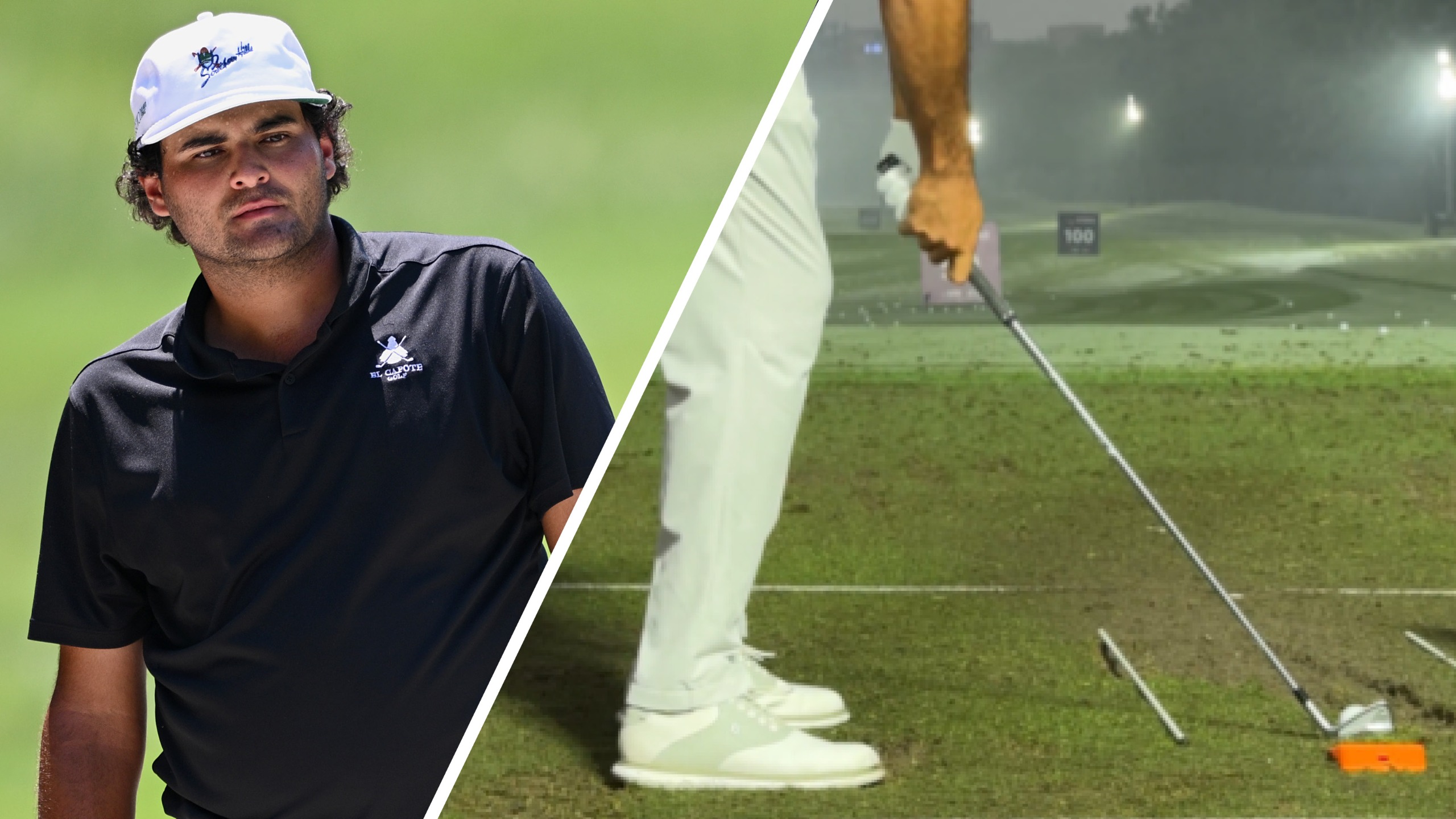 The Bright Orange Training Aid Eugenio Chacarra Is Using To Enjoy His Best Season To Date
An eye-catching training aid was spotted during Chacarra's warm up routine at Delhi Golf Club, with the item helping the Spaniard claim three victories throughout 2026
-
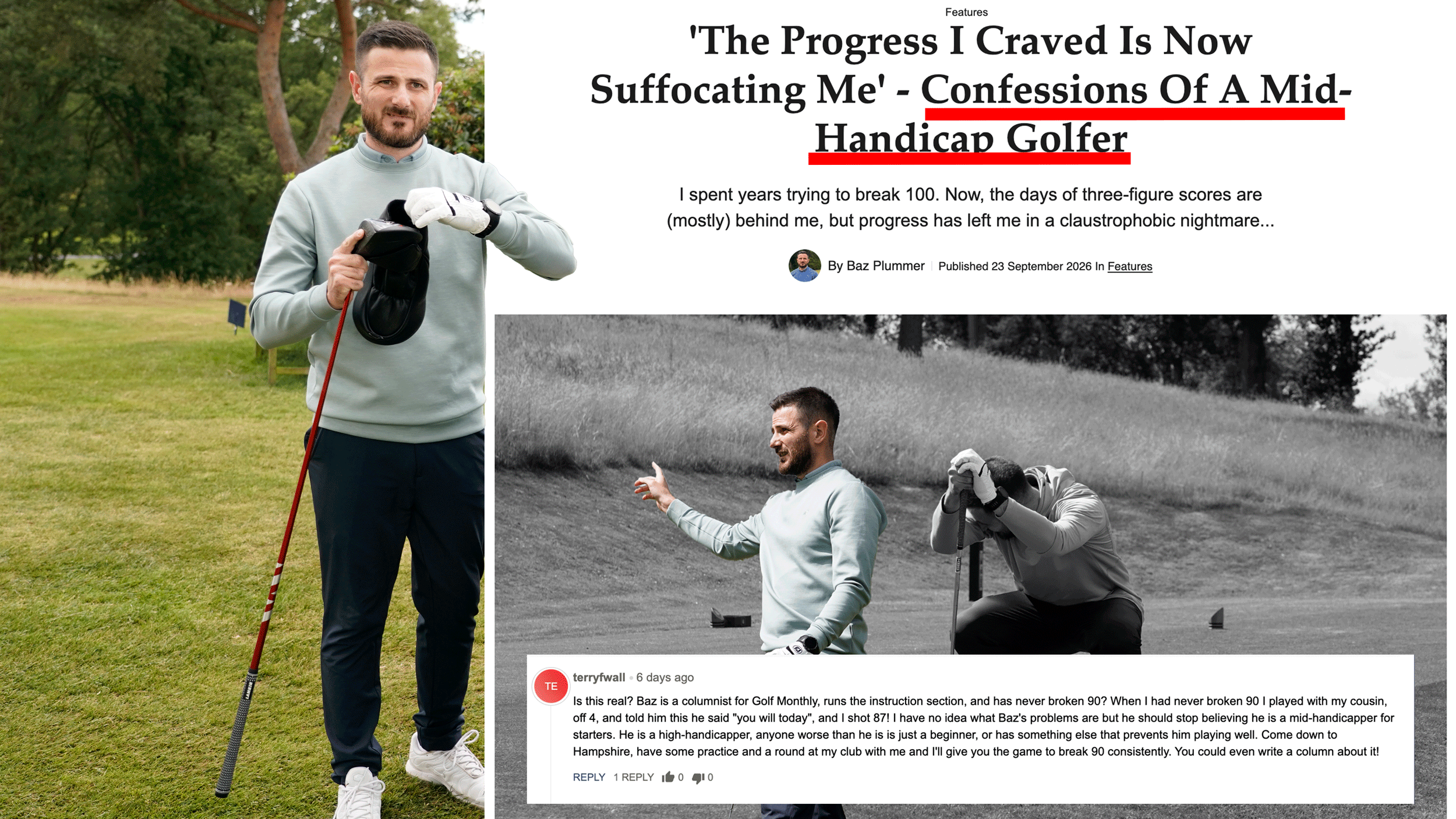 'He's A High-Handicap Golfer. Anyone Worse Than Him Is A Beginner' – At What Point Do You Reach Mid-Handicap Status?
A reader recently suggested I was wrong for identifying as a mid-handicapper, but what index marks the entry point to this category of golfer?
7 Comments

-
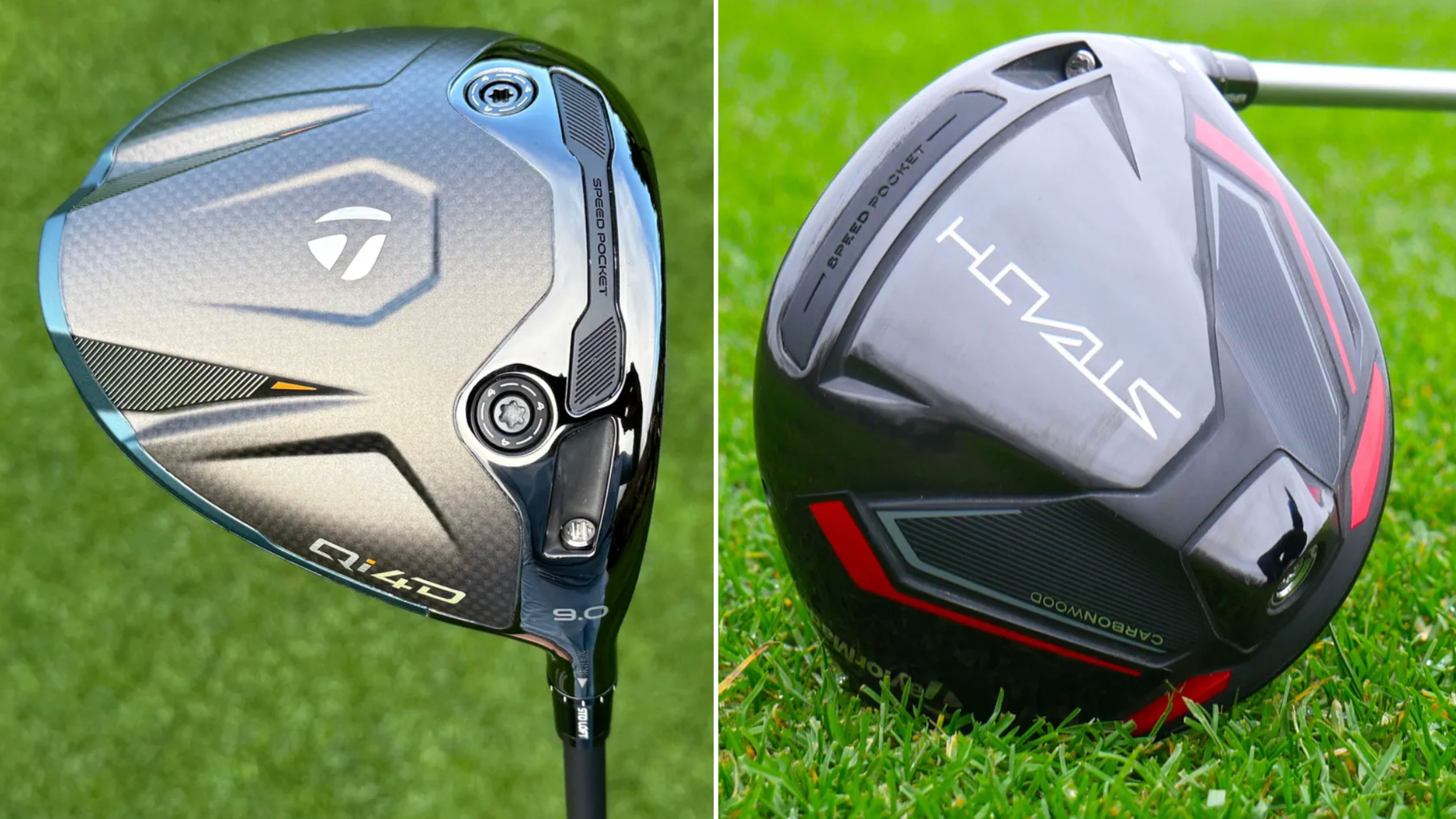 TaylorMade Qi4D Vs Stealth Driver: Replacing The Red Face With Forensic Consistency
While the Stealth turned heads with its crimson face, the Qi4D wins on the scorecard by replacing visual flash with forensic-level spin consistency and sophisticated aesthetics...
-
 Don’t Blame Your Stroke: Why Your Eyes Are Missing Putts (And How Trident Align Fixes It)
Stop over-analyzing your stroke - science shows your eyes are likely lying to you. Discover how the PGA-designed Trident Align corrects visual illusions to guarantee perfect aim on every putt...
-
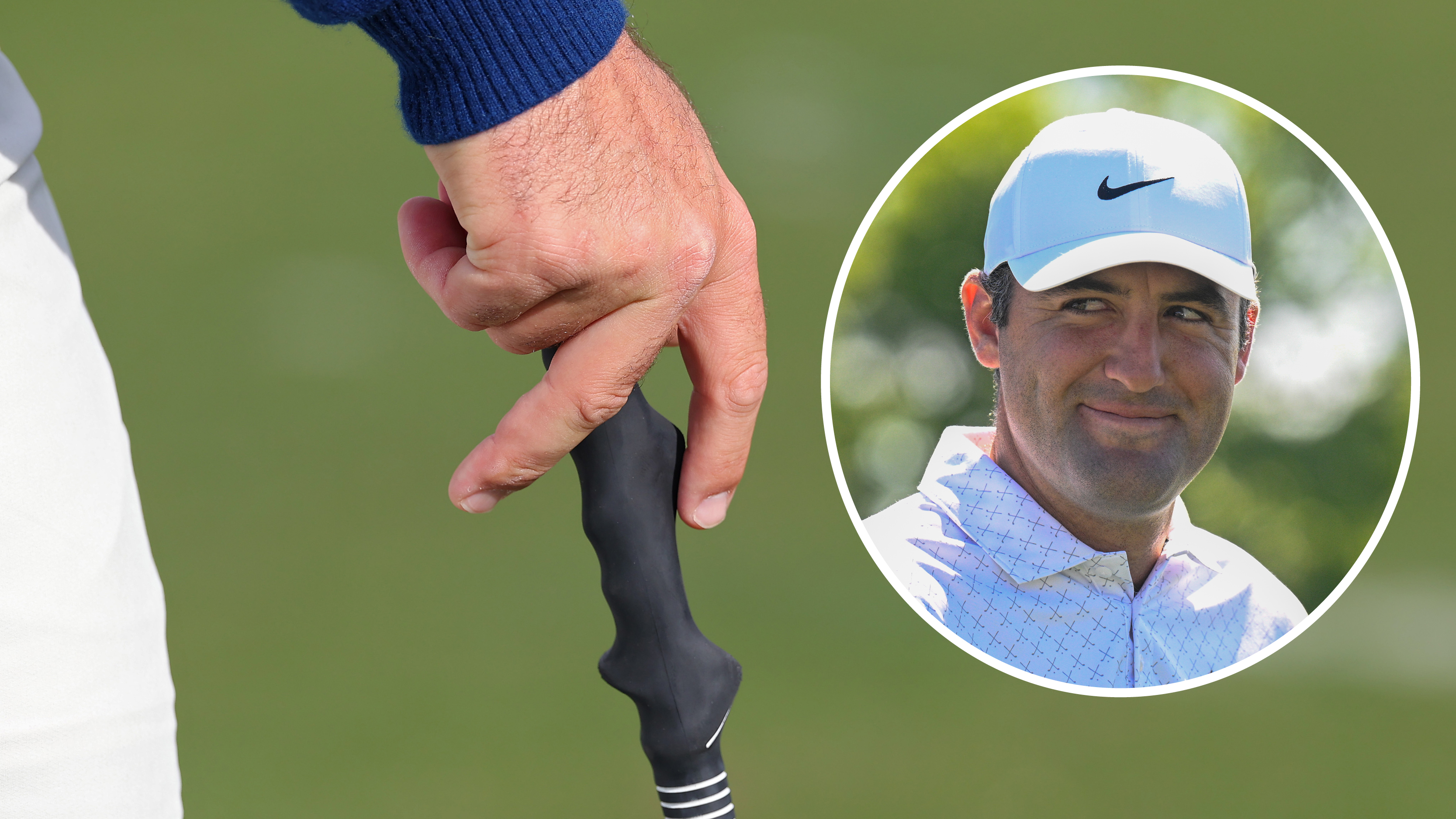 Scottie Scheffler’s $10 ‘Open Secret’ Is Transforming My Game
PGA Professional Joe Ferguson explains how a basic molded grip helped him shoot 8-under and qualify for the British PGA Championship...
-
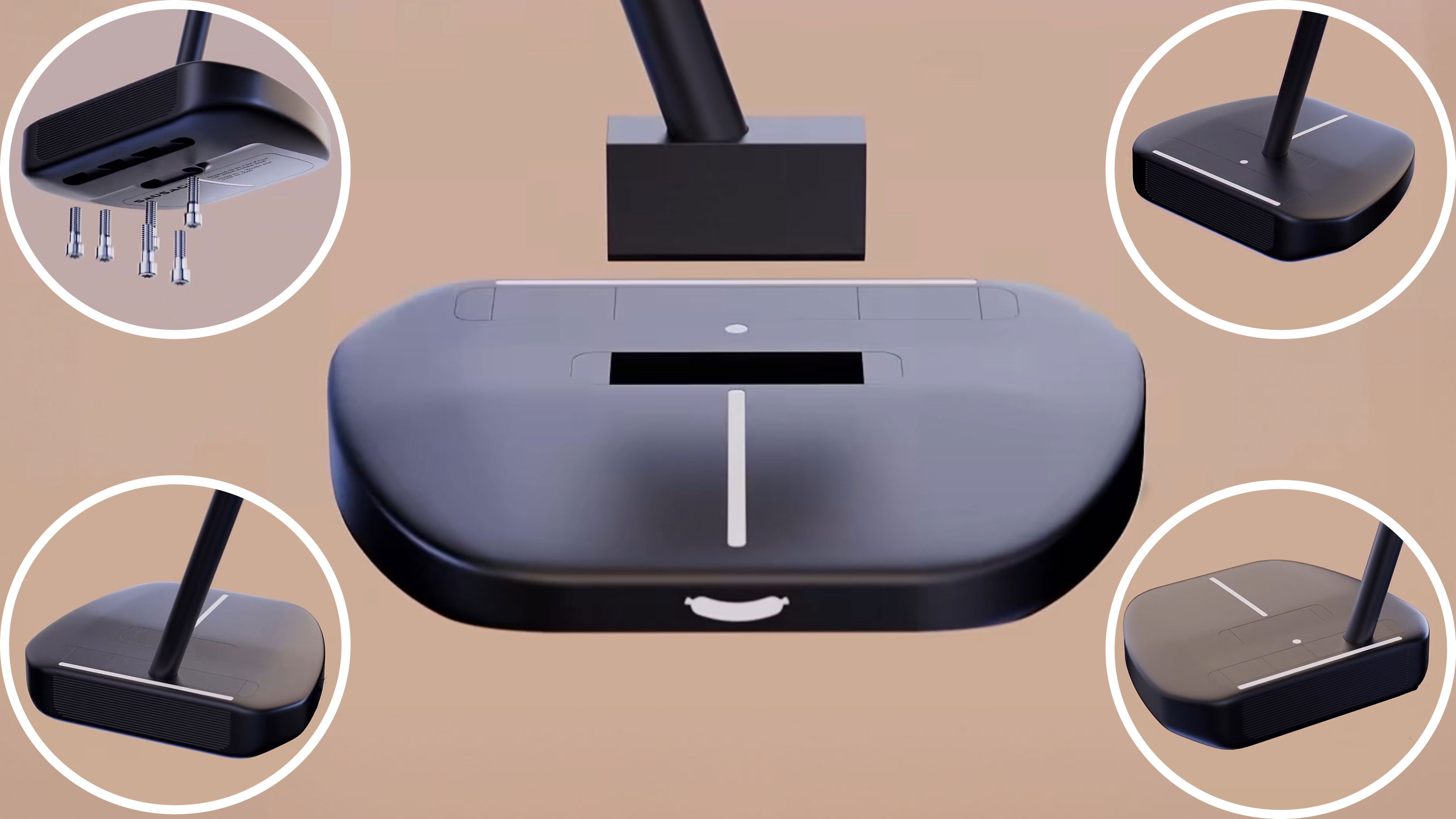 ‘I’ve Never Seen Anything Like It’ - Putters May Never Be The Same Again
We take a look at an exciting and innovative new putter design from Sausage Golf - the Boudin Noir...
3 Comments -
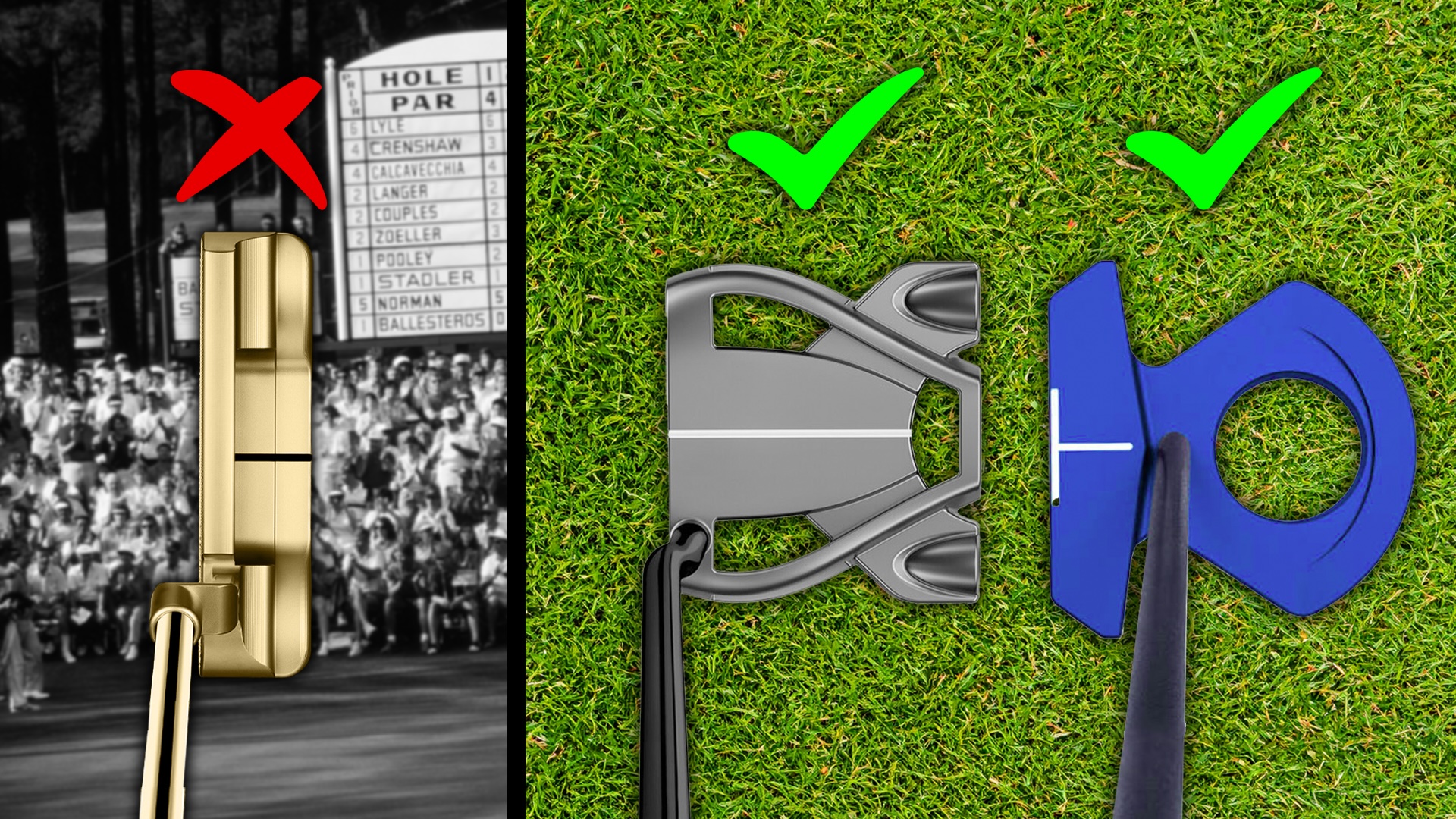 Is The Blade Putter Dying Out On Tour?
Gear tester and PGA Professional Joe Ferguson has noticed an interesting equipment trend in the professional game…
-
 The One Piece of Equipment (Almost) Every Tour Pro Agrees On...
We explore the remarkable dominance of one particular brand at the flagship event on the DP World Tour
-
 I’ve Interviewed Over 20 Tour Players About Their Equipment In The Past Year. Here Is What I Have Learned...
PGA Professional Joe Ferguson has produced 'What's In The Bag' videos with some of the best players in the game, and there are some observations to be made...
-
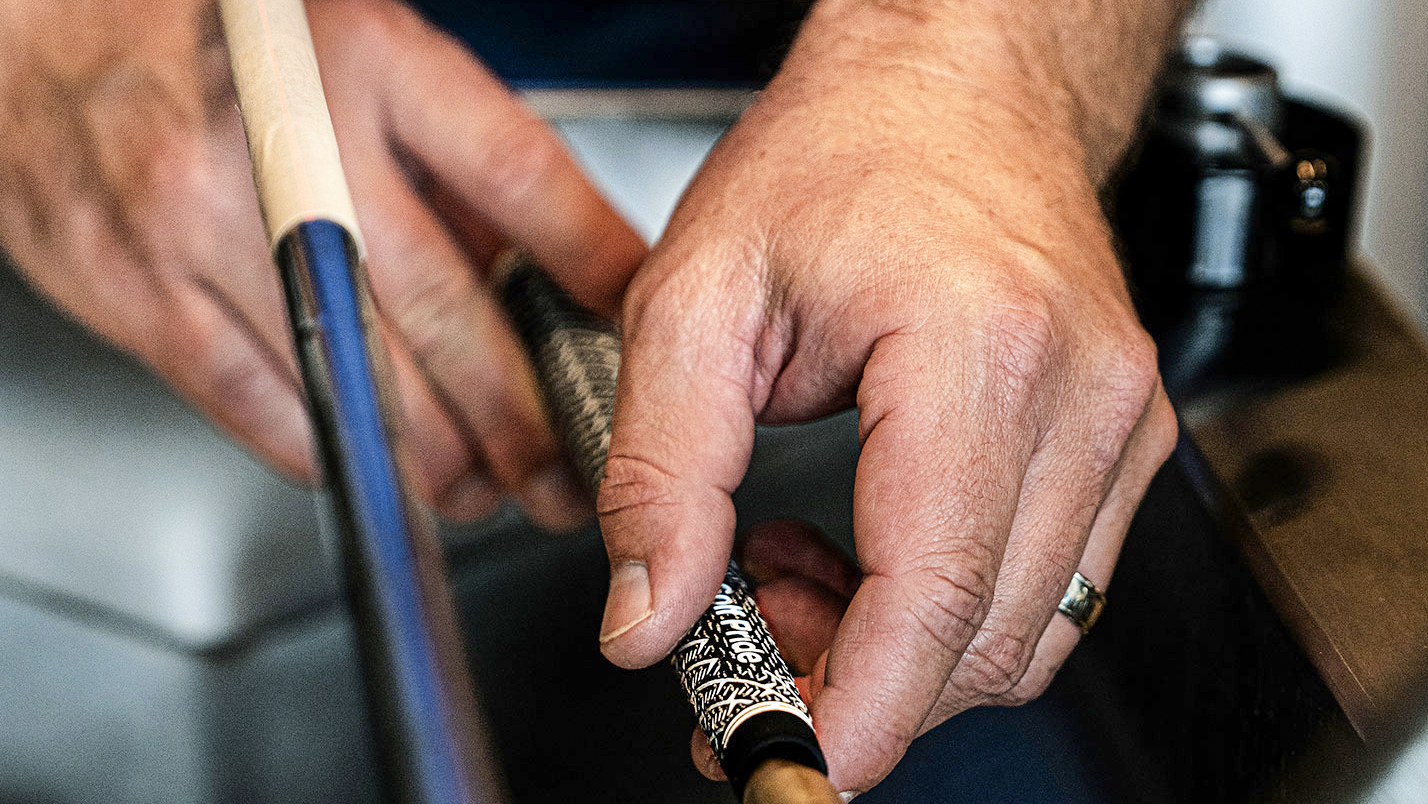 How Often Should You Change Your Grips?
We all know we can change and should change our grips, but how often should we be thinking about it?


