






In the world of golf equipment, TaylorMade has never been a brand to shy away from a revolution.
When the original Stealth driver launched, it signaled the end of the brand's titanium era and the birth of the "Carbonwood." It was a bold, aggressive step into the future. However, as I sit here with the new TaylorMade Qi4D in my bag - a club I have been playing since December 2025 - it is clear that the jump from the Stealth to this latest iteration is less about a loud revolution and more about the perfection of performance physics.

To put it bluntly, the looks of these two drivers are chalk and cheese for me. I have gone on record many times saying that, for whatever reason, I just do not like the look of red on a golf club. While I can acknowledge that the crimson 60-layer Carbon Twist Face on the Stealth was executed extremely well and was undeniably iconic, it never quite suited my eye.
In contrast, the Qi4D has moved toward understated, darker tones that I can only describe as visual perfection. It looks sophisticated, premium, and powerful without being loud. It is the primary reason why, from a shelf-appeal and confidence standpoint, the Qi4D won me over instantly.

However, moving away from that high-contrast red face presented a functional challenge: alignment. On the Stealth, the bright red face and the matte black crown were so contrasting that it was extremely easy to line the ball up in the center of the hitting area. Because the Qi4D utilizes a much more similar color palette between the face and the crown, TaylorMade had to innovate to maintain that ease of use.

Stealth (left) and the Qi4D (right)
In response, the engineers added a smart white top edge line that provides a crisp, linear reference against the darker body. It’s an exceptionally useful addition for alignment that keeps the aesthetics clean while ensuring you aren’t guessing where the face is pointing at address.
When we move into the data, the "Carbonwood" evolution becomes even more apparent. During my testing, I did notice a bump in raw power; the Qi4D delivered a higher ball speed, averaging just over 1.5mph faster than my best strikes with the Stealth. In a game of marginal gains, 1.5mph is a significant victory. But speed is nothing without control, and the most stark and exciting difference for me wasn’t the velocity - it was the spin.

More specifically, the spin differential - or the consistency of spin across the face - is where the Qi4D truly separates itself. Most golfers are aware that driver faces are not flat; they feature "bulge and roll" to manage the gear effect on off-center strikes. With the Qi4D, TaylorMade has increased the radius of the curvature on the face, and the results are nothing short of sensational.

Historically, I’ve struggled with the "spin-up" on low-face strikes. With the Stealth and many of its predecessors, a thin strike would often see my spin numbers jump by upwards of 1000rpm, causing the ball to balloon and then fall out of the sky.
Conversely, high strikes would see the spin drop off dramatically, leading to "knuckle-balls" that lacked the lift to stay airborne.

With the Qi4D, those fluctuations have essentially vanished. My "optimal" spin number is 2300rpm, and since putting this club in play, I rarely see numbers move more than 300rpm either side of that target, regardless of where I catch it on the carbon face. This tighter standard deviation in spin means my "bad" shots are now finishing much closer to my "good" shots, turning a potential disaster into a manageable miss.
The Stealth was the spark that started the carbon fire, but the Qi4D is the refined, high-performance engine. It has replaced flashiness with forensic-level consistency, and for any golfer looking to turn their "big miss" into a "fairway find," that is the greatest change of all.

-
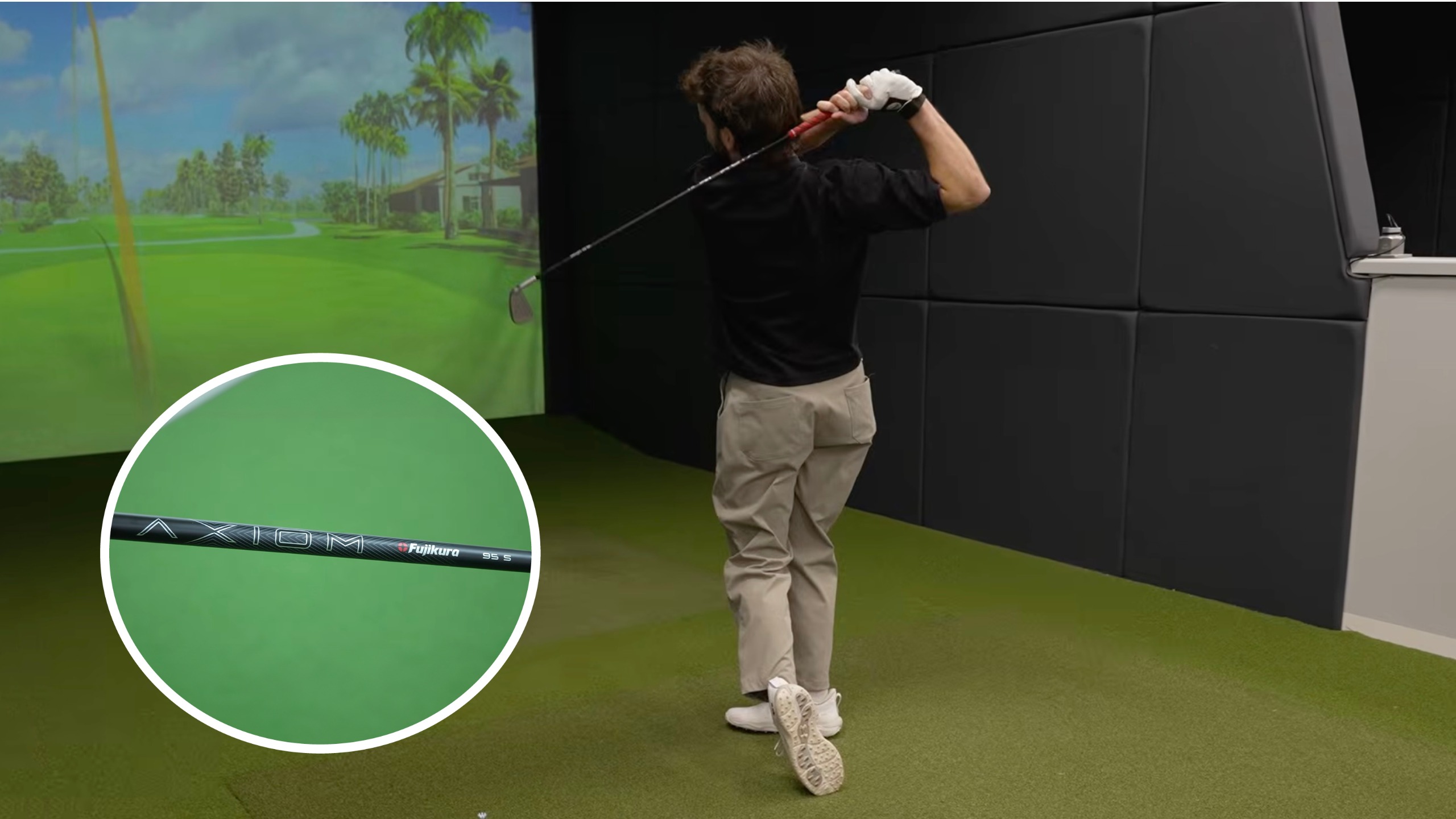 Are Your Iron Shafts Too Heavy? The Small Gear Change That Saved This 8 -Handicapper's Game
In my experience, up to 70% of golfers play iron shafts that are too heavy - here is how one simple gear change completely transformed a hapless 8-handicapper's game...
-
 'Bryson Playing A Full DP World Tour Schedule Would Be Electric' - What Next For LIV Golf, DeChambeau And Rahm?
In this edition of Inside The Ropes, our editor and news team writers discuss the futures of LIV Golf, Bryson DeChambeau and Jon Rahm...


-
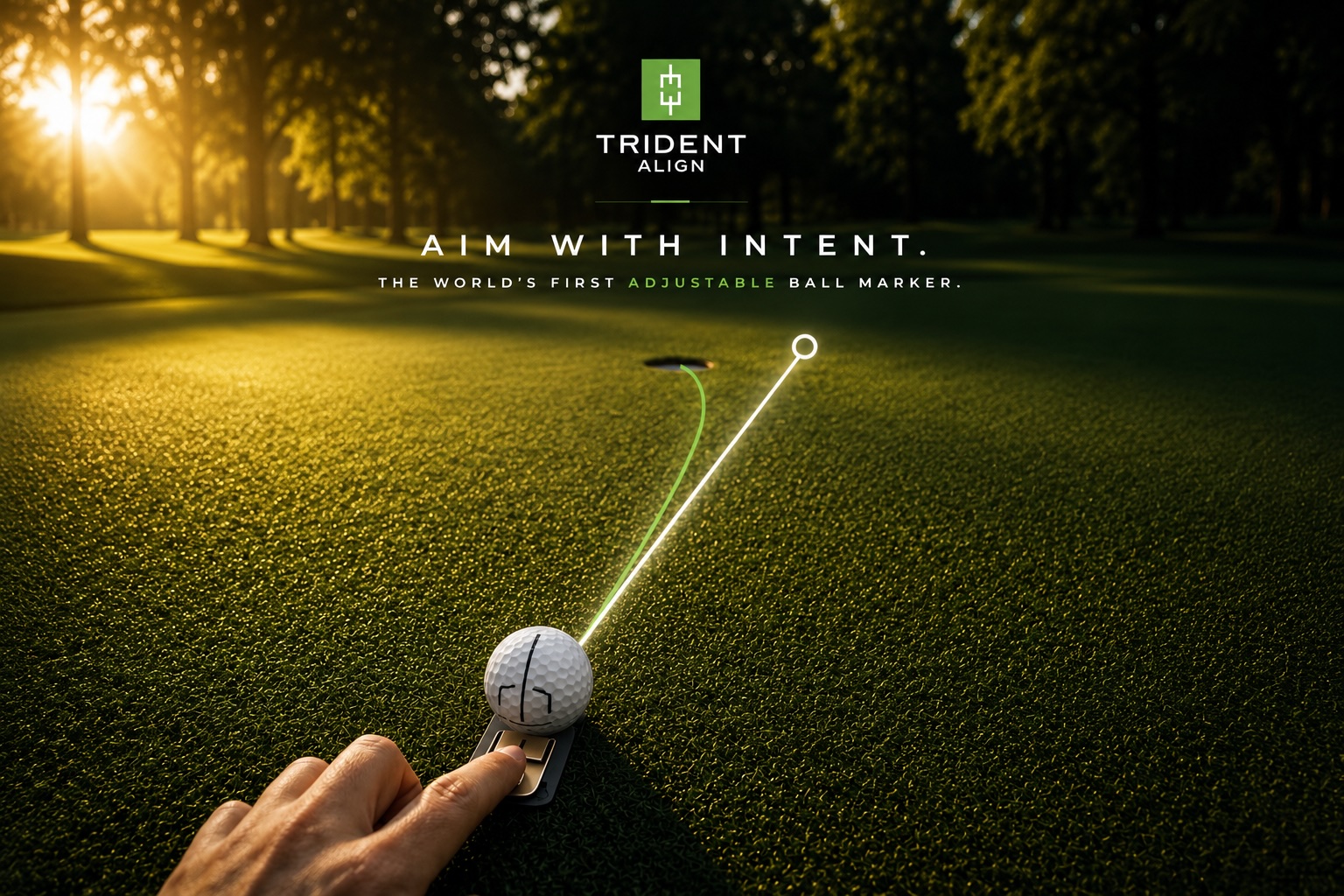 Don’t Blame Your Stroke: Why Your Eyes Are Missing Putts (And How Trident Align Fixes It)
Stop over-analyzing your stroke - science shows your eyes are likely lying to you. Discover how the PGA-designed Trident Align corrects visual illusions to guarantee perfect aim on every putt...
-
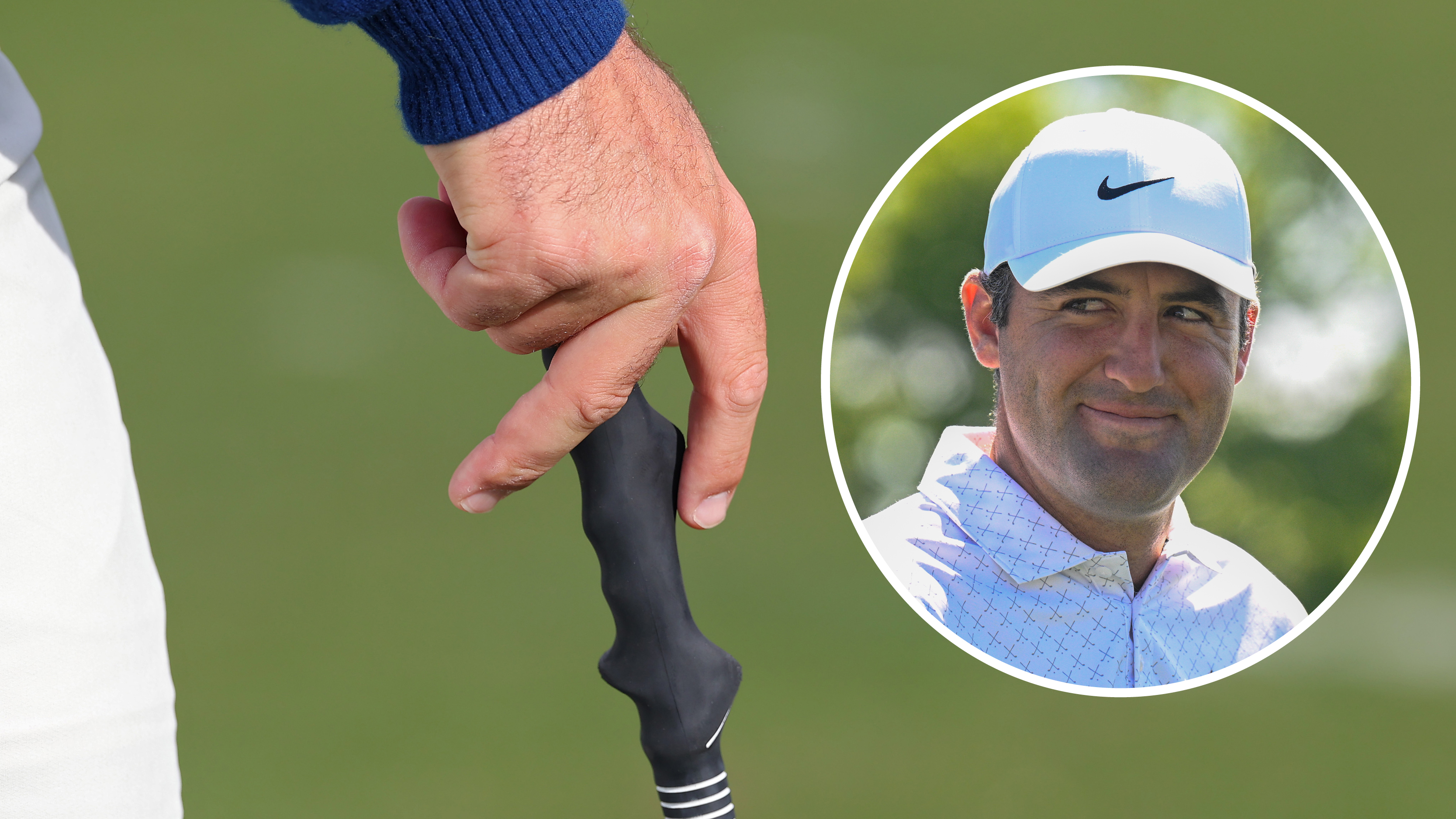 Scottie Scheffler’s $10 ‘Open Secret’ Is Transforming My Game
PGA Professional Joe Ferguson explains how a basic molded grip helped him shoot 8-under and qualify for the British PGA Championship...
-
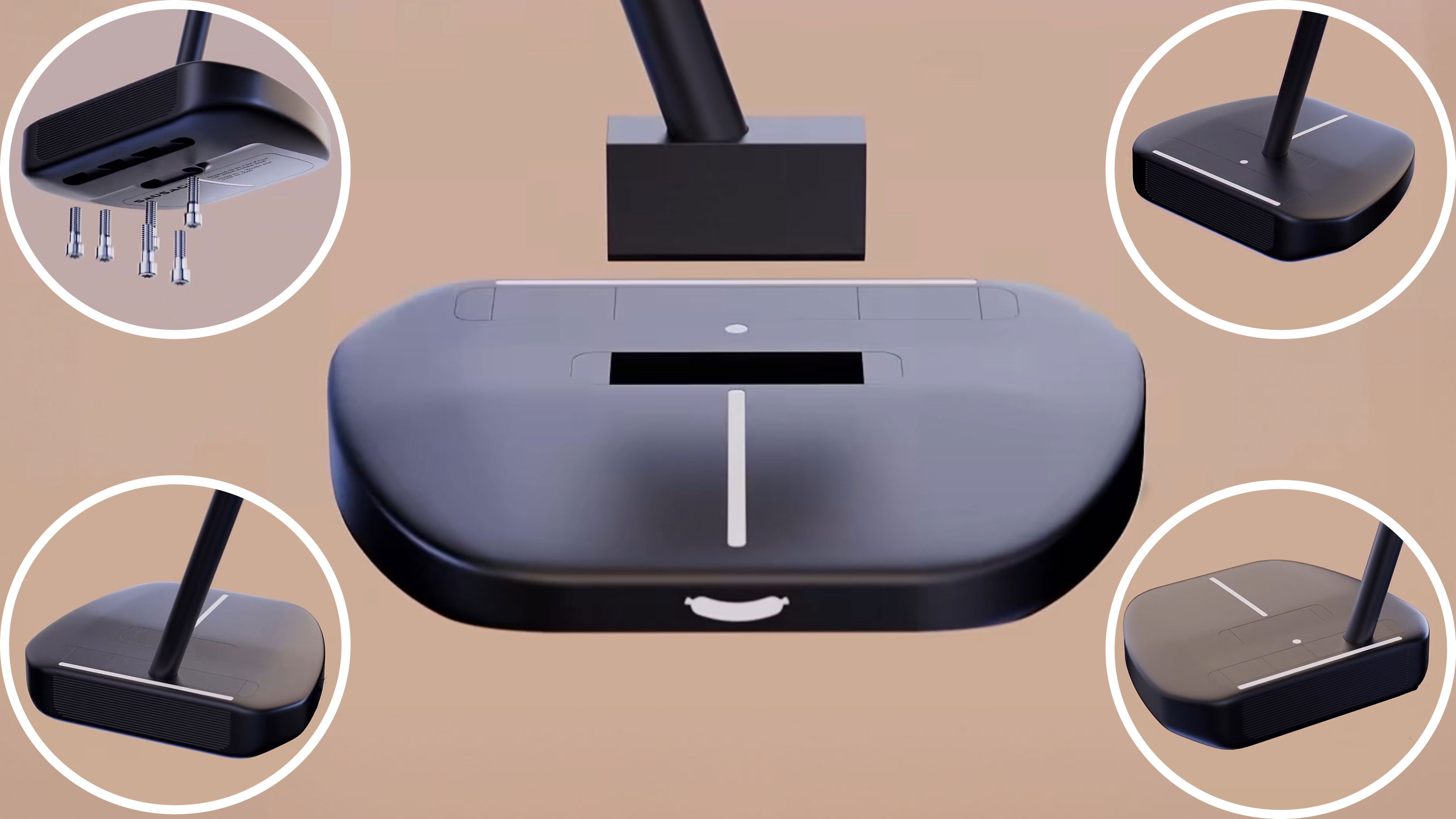 ‘I’ve Never Seen Anything Like It’ - Putters May Never Be The Same Again
We take a look at an exciting and innovative new putter design from Sausage Golf - the Boudin Noir...
3 Comments -
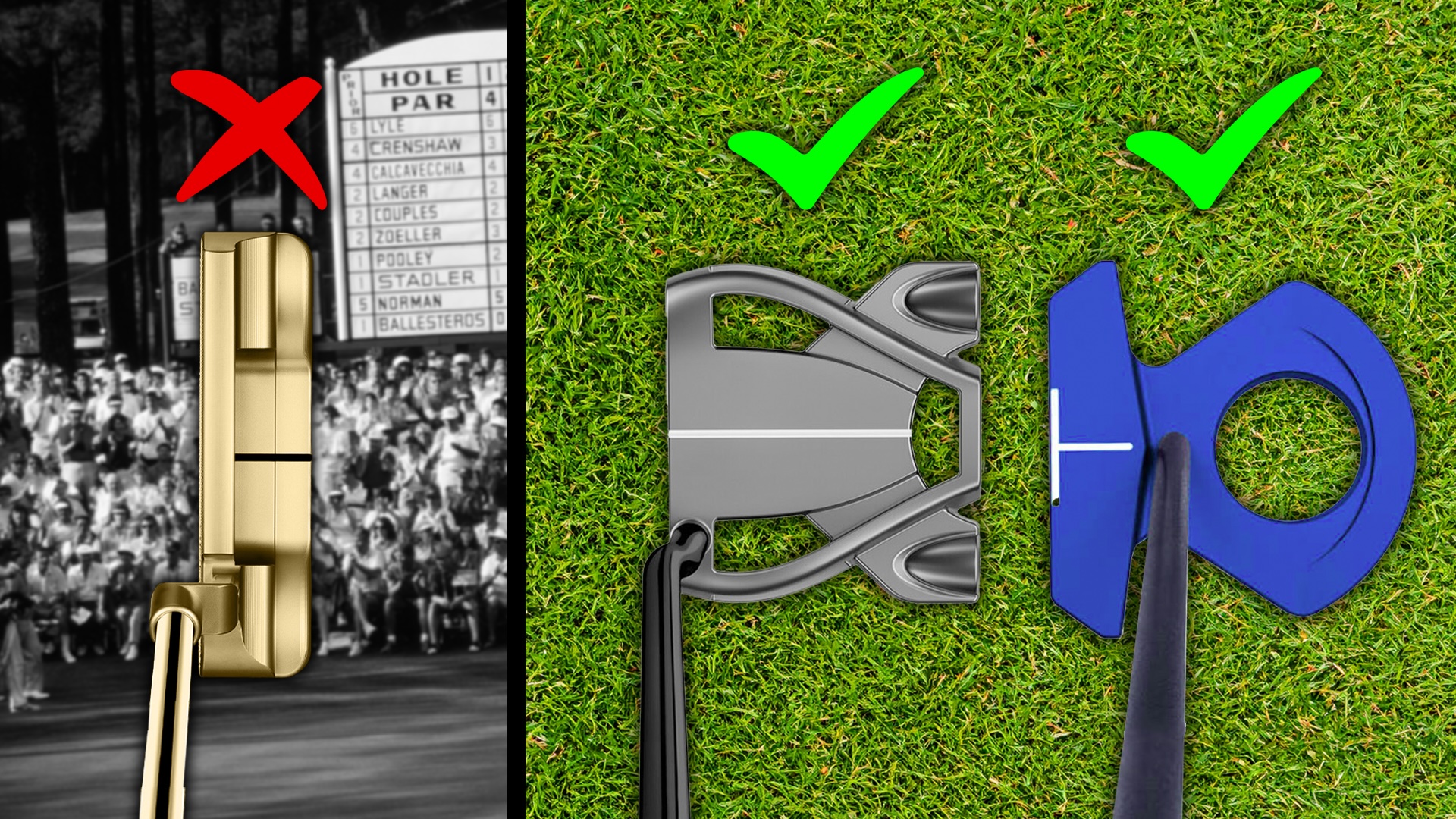 Is The Blade Putter Dying Out On Tour?
Gear tester and PGA Professional Joe Ferguson has noticed an interesting equipment trend in the professional game…
-
 The One Piece of Equipment (Almost) Every Tour Pro Agrees On...
We explore the remarkable dominance of one particular brand at the flagship event on the DP World Tour
-
 I’ve Interviewed Over 20 Tour Players About Their Equipment In The Past Year. Here Is What I Have Learned...
PGA Professional Joe Ferguson has produced 'What's In The Bag' videos with some of the best players in the game, and there are some observations to be made...
-
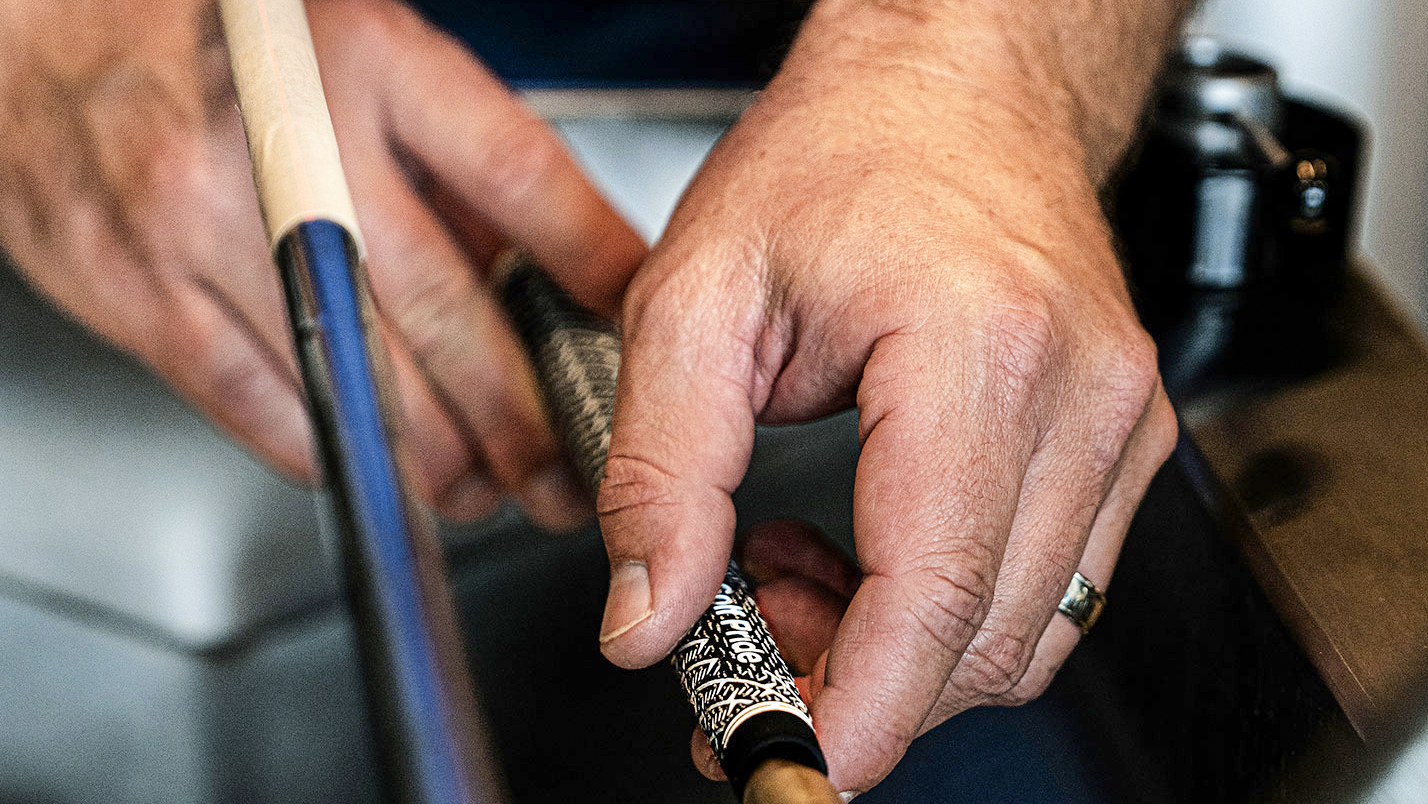 How Often Should You Change Your Grips?
We all know we can change and should change our grips, but how often should we be thinking about it?
-
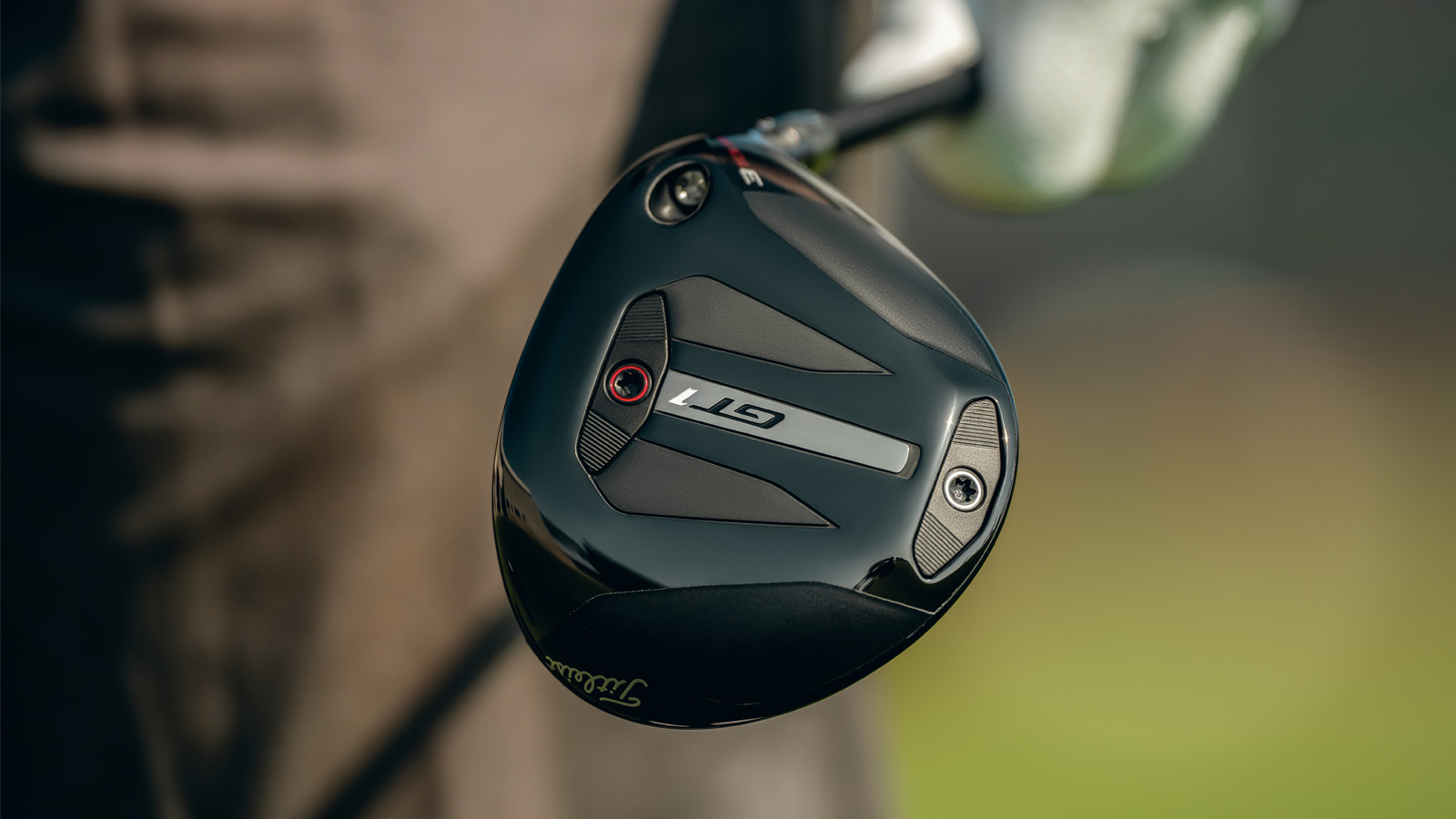 A Forgiving Fairway Wood Built For The Tour? Titleist Surprised Us All With This New Club
The Titleist GT1 3Tour fairway wood is the brand's latest release, but what’s the story behind the design and which golfers is it likely to suit?


