

As summer approaches and the golf season kicks into full swing, many people will be thinking of taking up the game and looking to purchase some new clubs, while seasoned players could be considering an upgrade to their existing set. While the purchase of a brand new set of golf clubs in store and brings about immediate satisfaction, there are some common mistakes golfers make when purchasing new clubs straight from the shelf that we have highlighted below to be aware of, so you don't fall foul of them and spend your hard-earned money on clubs that don't suit your swing.

PGA TOUR Superstore's carry stock from all major manufactures
1. Purchasing Clubs Based On Looks

The new PING Blueprint T is a stunning bladed iron but should only be considered by low handicapped golfers
While putting a shiny new set of bladed irons in your bag may see you receive some compliments in the car park or on the clubhouse patio, the novelty will soon wear off if you’re not a competent, consistent ball striker. Bladed irons are typically much smaller in size both from a top-line point of view and in terms of the blade length heel to toe, meaning the sweetspot is often much smaller than that in a set of cavity back irons. Be realistic with your ability and choose clubs that will help you hit better shots and shoot lower scores - usually this will be a model of iron with some technology built in to help achieve more height and forgiveness, thus making the task of hitting the green easier.
2. Buying Clubs In The Wrong Spec

An upright lie angle will cause the face to aim left at address
Most ‘stock’ golf clubs found in golf stores will be of standard length and lie angles. But 'standard' can vary from brand to brand and while many golfers will be fine with standard length shafts, if you are particularly short or tall you would need shaft lengths that match your height to create more consistent contact. This is something that can easily be measured via a custom fitting at a PGA TOUR Superstore with one of its master fitters. Length also then affects the lie angle, which determines how the club sits on the ground and where the face aims. Essentially if your clubs are too upright, the face will aim left and the ball will subsequently start left of your desired target. The opposite applies if the lie angle is too flat, the ball will start right of target. An incorrect lie angle will also negatively affect how the sole interacts with the ground so you can begin to understand how important lie angle is in relation to hitting more fairways or greens.
3. Choosing The Wrong Shaft Profile

There a plenty of different shafts available at PGA TOUR Superstore workshops
While you may have speed in your golf swing, ‘golfer’s ego’ is a real thing and choosing a shaft flex that compliments your speed and launch characteristics will benefit you massively. This can be particularly tricky as many different manufacturers choose different ‘stock’ shaft options in their product so understanding what each shaft is designed to do should help play a big part in your choice. If your angle of attack is positive with a driver, you may look for a slightly lower spinning or launching shaft, whereas if you tend to hit the ball fairly low, you may want something a little lighter and more flexible to help launch that ball in the air. Being aware there are different shaft profiles will make transitioning from different brands throughout your bag easier. Having a fitting or speaking to a PGA TOUR Superstore associate is a great way of understanding what product would be right for you based on your swing speed and ball flight tendencies.
4. Choosing The Right Set Make Up

Decide if having more fairway woods or wedges will be more useful for your game and filling gaps in your bag
Under pressure on the golf course, there is nothing worse than not being able to commit to a shot because you find yourselves in between clubs. While irons will normally be evenly spaced out in their relative degrees of loft, golfers then have a choice to compliment them with fairway woods on one side and wedges on the other. If you find yourself playing golf courses that are fairly long and you often are hitting the clubs towards the top end of your bag into greens, it would be worth maybe losing a wedge to add to your arsenal of woods so you have clubs that run in say 10 to 15 yard increments. Conversely, if you’re a longer hitter of the ball or play shorter golf courses, adding additional wedges and removing the likes of a 4-iron may prove more beneficial. This is all relative but the last thing you want to do is spend money on clubs that you’re not likely to use often.
5. Not Testing New Clubs With Your Ball Of Choice

Use the ball you use on the course for your fittings for more accurate club data
While this may sound a little odd, bringing the ball you play on the course with to the store has multiple benefits and is something that all golfers should do. All golf balls fly differently and so using the ball you typically play when having a fitting is a surefire way of knowing that the golf clubs are going to perform when you then take them out onto the course. Perhaps the most beneficial part of bringing the golf ball you play to a store is if you’re in the market for a new putter. Every PGA TOUR Superstore has a putting green with hundreds of putters to choose from and so rolling a few putts with the ball you normally use will give you great understanding on whether you prefer the softer feel of a face insert, or more feedback from the likes of a milled putter.
6. Not Considering Grips Options

Choosing the right grip type and size can save you shots on the course
Much like shaft length and lie angles, grip size has a big impact on shot shape and club face delivery. The golf grip is the only connection you have to your golf clubs and so having the right feel, size and type is imperative. If you have large hands or fingers and your nails dig into your palms when gripping the club, your grips are too small. This could cause an overly active club face and potentially cause an early release of the clubhead and shots missing to the left. Grips that are too large are likely to cause more passive hands and lack of release, therefore more shots blocked and to the right as a right-handed golfer. So make sure you get advice on what size of grips will work best for you and also which type feels most comfortable. The putter is one area where the grip can have a huge impact on feel and performance, so be sure to try a few options before biting the bullet.
7. Choosing Wedges With The Wrong Bounce And Grind

Choosing the right bounce and grinds on your wedges will drastically improve your short game
Understanding how bounce and grinds work on a wedge is vital to boosting your chances of performing well around the greens. While most stores will offer a variety of wedges with all different bounce and grind options but a lot of golfers will only look at the loft and be on their way. The more bounce (normally indicated by a small number under or around the loft) will see the leading edge sit higher up from the ground and is ideal for golfers who typically play on softer turf as the bounce allows the club to glide along the ground rather than dig into it. Golfers who play on firmer turf such as on links golf courses, may look for less bounce so the club doesn’t bounce off the ground through impact.
Different grinds also allow golfers to be creative with the short game. Manufacturers will grind off areas of the sole around the heel and toe to allow for opening and closing of the face and therefore a change in ball flight. Depending on if you typically sweep the ball off the turf or are more steep through impact, different bounce and grind options for your individual swing and turf conditions can make a huge difference to the outcome of your shot.
The beauty of visiting a PGA TOUR Superstore to purchase your new set of clubs is the huge range of equipment on offer and the expert advice you can receive from the highly trained staff in the stores. This combination is a recipe for success when it comes to you picking out some new sticks but reading through our advice below on what mistakes are often made, will give you a good understanding of all the questions you should be asking, before making a decision on what clubs you are going to choose.

-
 'They Removed My Ankle Bracelet' - Henrik Stenson Discusses Future Plans As LIV Golf Penalty Comes To An End
The popular Swede, who recently turned 50, is looking forward to life on the senior circuit after serving a 12 month suspension from the LIV Golf League
-
 Have The R&A Been Too Cautious With The Open Set-Up?
Players have been able to seemingly spin the ball at will on day one of the 2026 Open, where scoring from the morning wave has been low


-
 The 10 Most Popular Golf Balls On The PGA Tour In 2026
What golf balls do the world's best players use? One ball (two models) dominate the list...
-
 5 Classic Wedges That Modern Club Design Still Can't Beat
Newer isn't always better. These classic short-game weapons offer unmatched feel and aggressive grooves that modern design is legally banned from replicating
-
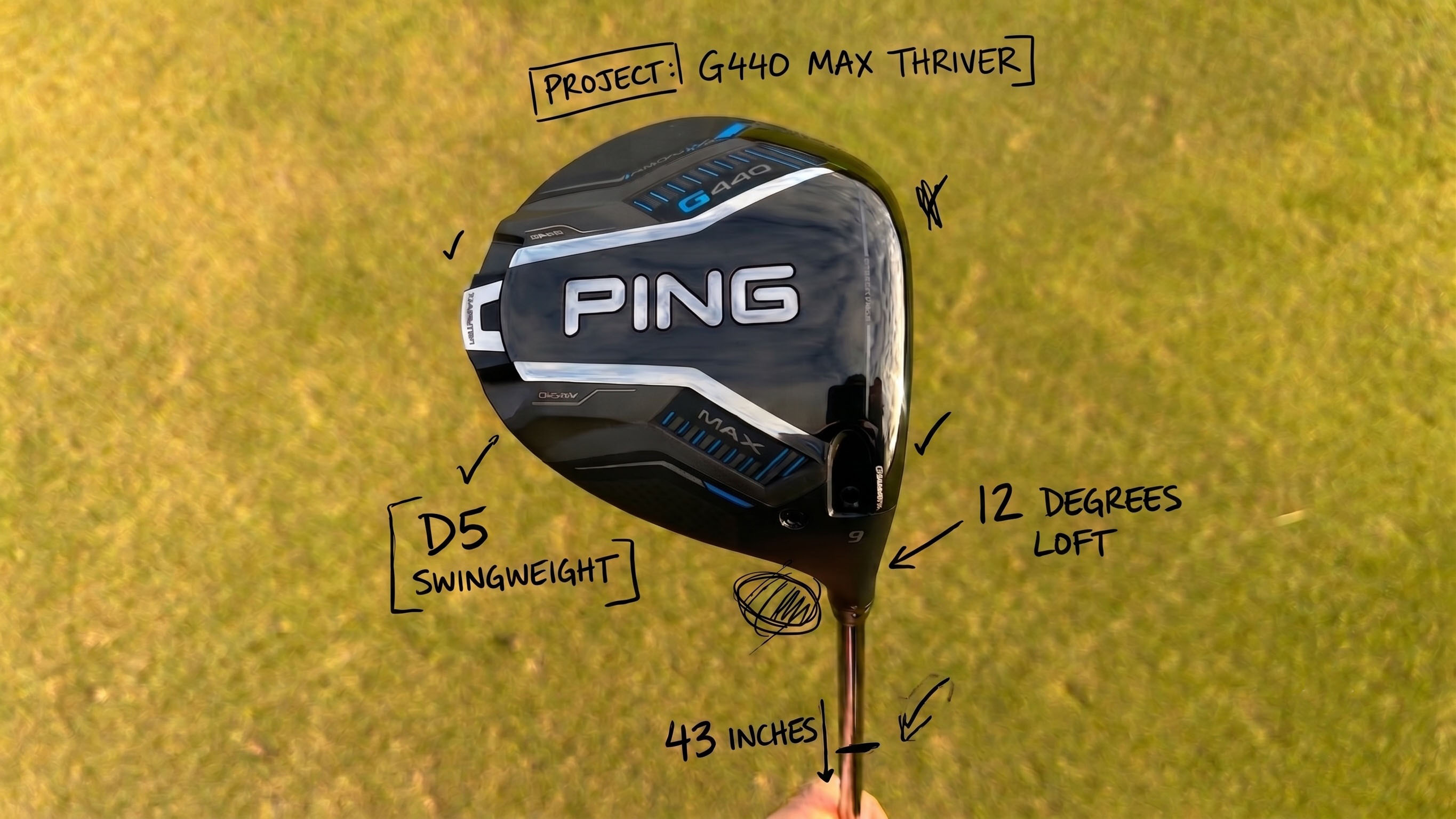 The Rise of the Custom "Thriver": Why Tour Pros Are Building Their Own Mini Drivers
Tour pros are building custom 'Thrivers' by pairing full-sized drivers with 3-wood shafts - unlocking a scoring cheat code that many amateurs should consider copying
-
 The Best 14-Club Bag Of 2026 (Using No More Than One Model From Each Brand)
How do you squeeze every major brand into your golf bag? Our equipment testers agree (finally) on this unique set-up for 2026
2 Comments -
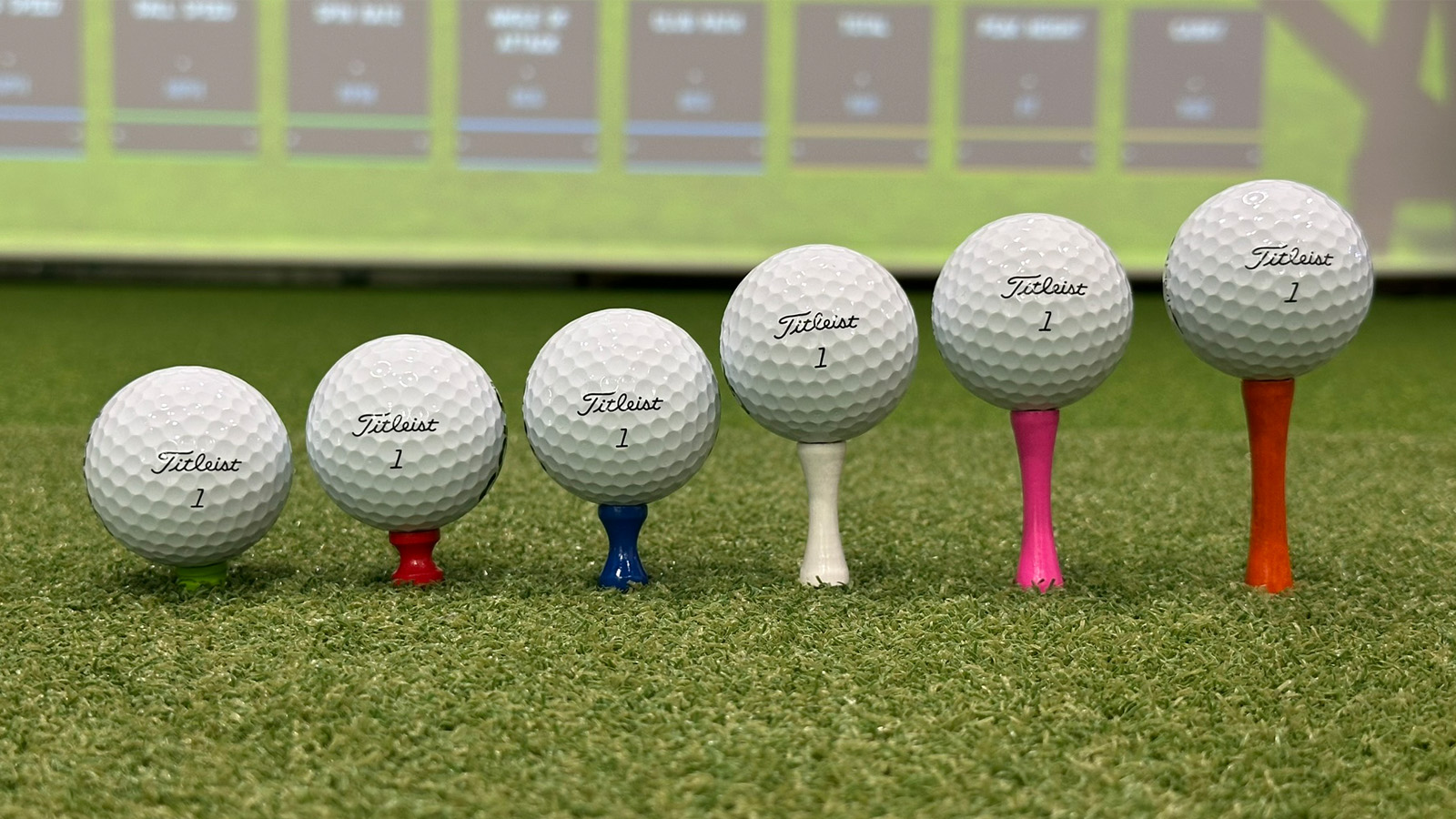 Which Tee Height Produces The Longest Distance? We Found Out (Hint - It's Not The Highest)
Equipment tester Sam De'Ath tested six different castle tees to see how tee height affects your driver performance and which one produces the most distance
8 Comments -
 'I’ve Already Gained 10 Yards' – Why I've Started A Speed Training Journey And What I've Learned So Far
I'm trying to turn back the years and gain some yardage by embarking on a speed training programme. Can I find distance? Just maybe...
2 Comments -
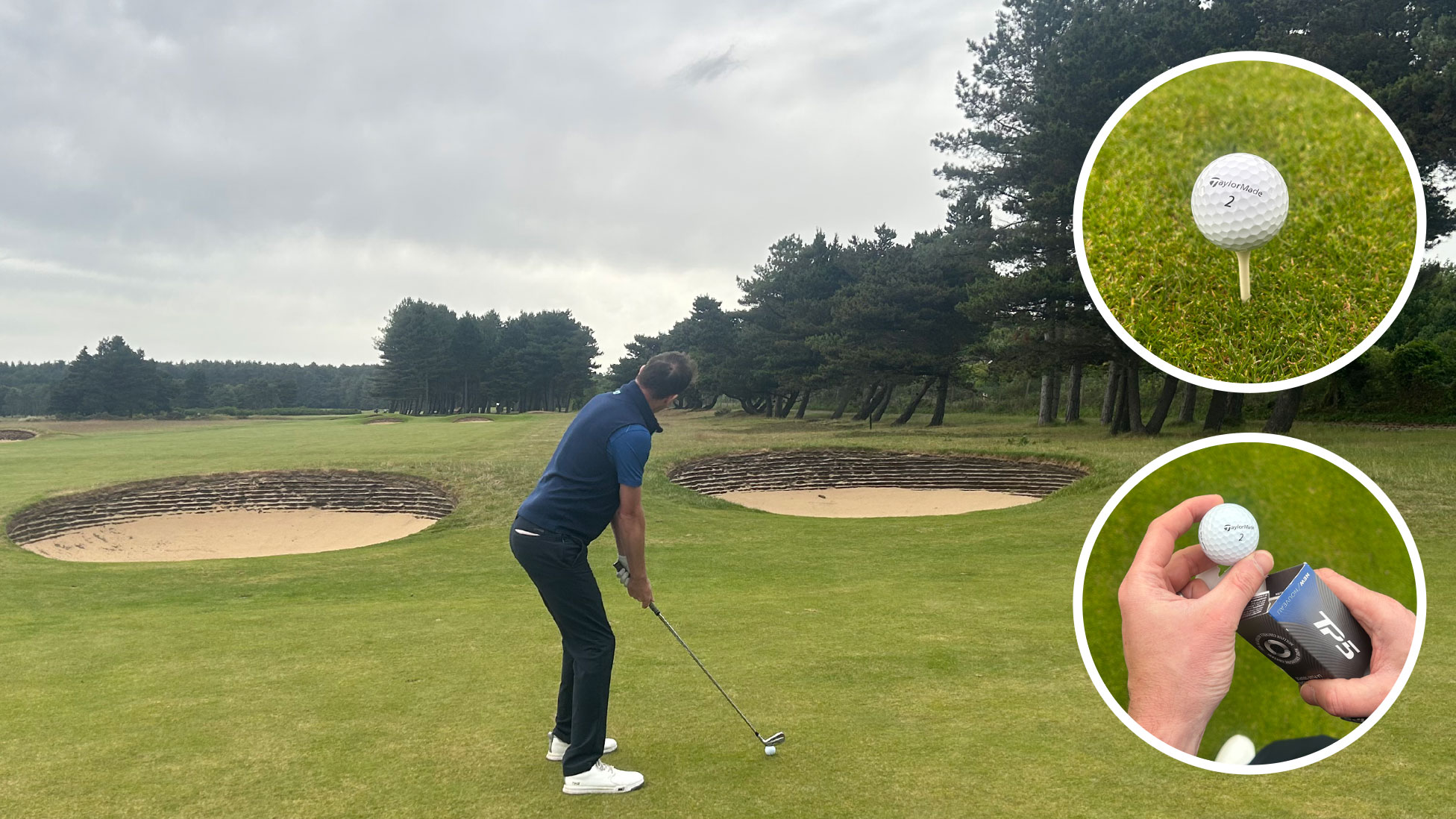 I’m A Member Of A Top 100 Links Course And I’ve Just Put The TaylorMade TP5 Into Play. Here’s How It Helped My Scoring...
Golf Monthly writer Michael Weston discovers certain performance benefits of switching to this premium model
-
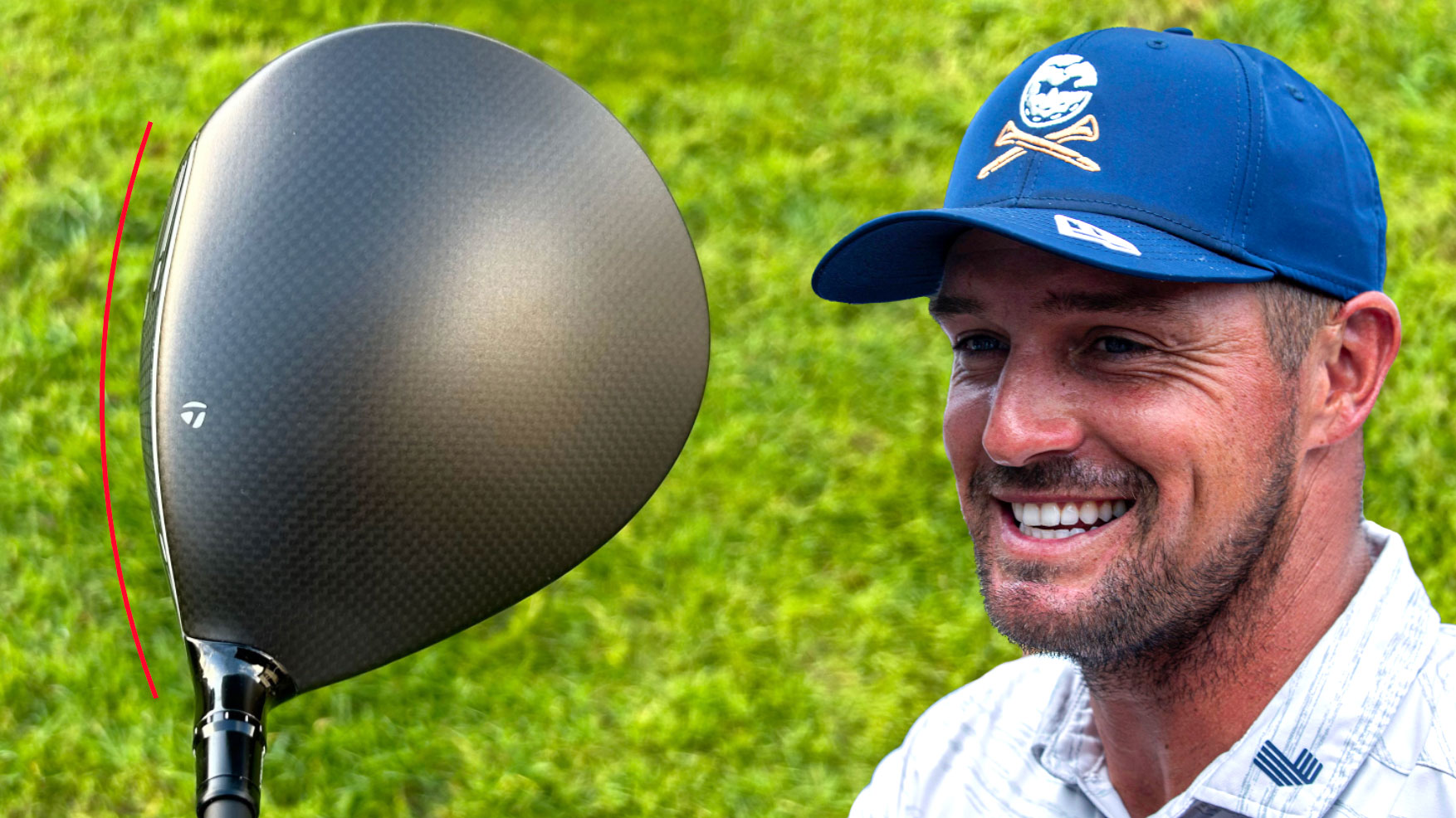 Why Does Bryson DeChambeau Need More Curve On His Driver Face (And Do You Too?)
Discover the radical physics behind Bryson DeChambeau’s prototype TaylorMade driver at the 2026 U.S. Open and how face curvature could soon impact your game


