What is torque?

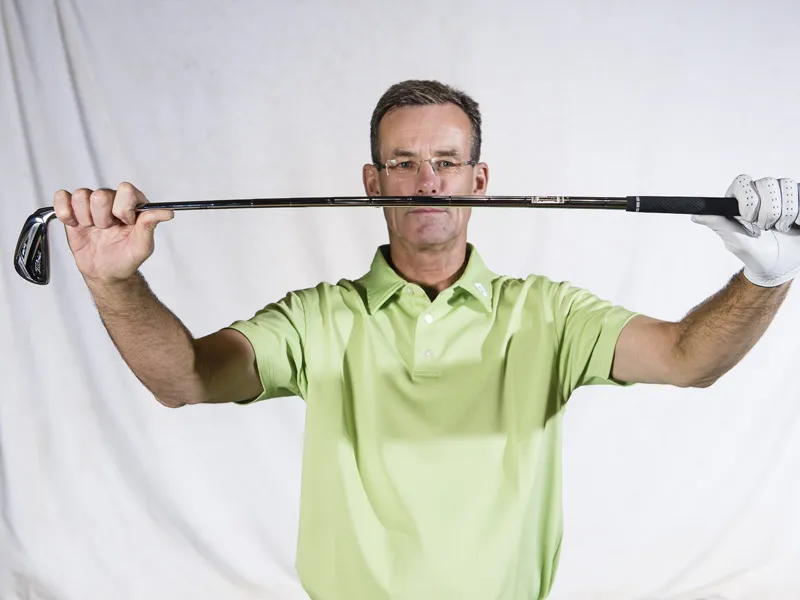
In this exclusive video, Golf Monthly Top 25 Coach Paul Foston asks, what is torque and explains how understanding it could unlock more potential in your game
What is torque?
Torque is a term you will often hear golf club fitters use as you search for the right shafts for your game. Quite simply, it refers to the resistance the club has to rotational twisting during the downswing. There is no one-size-fits-all approach here – what works for someone with a slow swing speed will hurt a player with more speed through impact and that’s why torque is worth knowing and understanding.
The basic rule of thumb to remember is that a slower swinging player will need a higher torque shaft (one that will twist more through impact). That is, a more flexible shaft will provide some crucial extra clubhead speed through impact. This extra speed will provide a higher launch angle and spin rate to help you generate as much carry through the air as possible. It can also help square the face at the crucial moment. So for the slower swinging golfer, torque is your friend.
The advantage of graphite shafts over steel
For fasters swingers, a high torque shaft will prevent them from finding their ideal launch and spin numbers (too much launch and excess spin will actually result in less carry and overall distance). In this instance, a lower torque, stiffer shaft provides more resistance to twisting through the impact area, generating more clubhead control and keeping the spin numbers in check.
Should I use regular or stiff shafts?
Subscribe to the Golf Monthly newsletter to stay up to date with all the latest tour news, equipment news, reviews, head-to-heads and buyer’s guides from our team of experienced experts.
The important point to make here is that you need to match up the shaft of your club to the speed of your swing and the best person to help you with that is a PGA professional who has access to a launch monitor. The data provided here is invaluable in working out all the correct specs for every club in the bag. If you are using the wrong shafts you will be giving up on crucial distance and in many cases accuracy as well.

In July 2023, Neil became just the 9th editor in Golf Monthly's 112-year history. Originally working with the best coaches in the UK to produce instruction content, he went on to become a feature writer interviewing many of the biggest names in the game including Tiger Woods, Seve Ballesteros, Rory McIlroy and Arnold Palmer.
A 5-handicap golfer, Neil is a club member who takes a keen interest in the health of the game at grassroots level. You’ll often now find him writing about club-related issues such as WHS, membership retention and how best to bridge the gap between the range and the course.