






Sponsored by

How To Get More Distance With Your Irons Without Swinging Harder
PGA Professional Katie Dawkins shares her top drills for effortless iron play


Struggling with your iron play can really take the joy out of your game. Whether it’s a lack of height on your shots, seeing the same distance regardless of the club, or just dealing with lacklustre strikes, it can be demoralising.
The good news is that the right equipment can make a turnaround a lot easier. For instance, the XXIO 14 irons are specifically weighted to help you find a crisp strike more consistently. However, to get the most out of these clubs, your fundamentals need to be on point.
So often, struggling with your irons comes down to a poor wrist hinge, which makes it nearly impossible to strike the ball cleanly. This is usually caused by a grip that's too much in the palm, which quite literally locks out the wrists and makes the swing feel like hard work. By mastering these grip checkpoints and unlocking your wrist hinge, you’ll find it much easier to make solid contact and gain some energy back in your iron play.
The Finger-Not-Palm Check
The first thing to look for is wear and tear on your glove. If you see a worn patch up near the heel of your palm, it’s a dead giveaway that you’re holding the club too high up. To fix this, the club must sit in the fingers, not the palm.

A worn-out glove near the heel of your palm is a giveaway for a poor grip
Rest the club against your leg and let your hands hang down naturally. Make gentle fists and you’ll see a valley created by your fingers. That’s exactly where the grip should sit.

Your grip should sit in a valley created by your fingers
Test the positioning is correct by holding the club up to 45 degrees. You should feel support from the heel of your palm in your top hand.
Keep The Squeeze At Bay
Grips on the XXIO 14 clubs are supremely tacky, which means you shouldn’t have to squeeze the club. Too many golfers strangle the club. This limits wrist hinge and destroys a pure strike.

Don't squeeze the club too tightly
When we squeeze too tightly, it locks out the hands and pulls the club higher off the ground at impact, increasing the likelihood of a duff shot. Now the grip is primed, you’ll be able to achieve a big thumbs up on your iron play… literally.
Thumbs Up!
Think of it like skimming a stone on the beach. To get that pebble to skip across the water, you have to first load your wrist by hinging it back. Without that initial set, you’d have to throw your whole body toward the water just to get the stone moving.
Golf is no different. So much of your natural power is stored in the wrists, and once they are properly hinged, they will instinctively unhinge through the ball as a response.

Thumbs up to allow your wrists to hinge properly
To get this right in your swing, focus on giving a big thumbs up. As your lead arm reaches parallel to the ground, your wrists should be hinged so that the club is set at roughly 90 degrees.
If you can feel those thumbs pointing toward the sky at this stage, you know you’ve loaded the energy you need for a crisp, effortless strike. This is a handy drill to try indoors without a club.
Practice Swinging From L To L
To perfect your iron play, you don’t need to hit a ton of balls with a full swing. If you want to improve the strike, break the swing down to a half shot, incorporating the wrist hinge. Think L-L.
Setting the club on the way back to an L-shape with thumbs up, then crack the whip and release through, clicking a tee peg to another L to mirror the first.

Think L to L to improve your iron play
By breaking the swing down, you can better manage the hinge and feel more in control of your iron play as you hit the ball cleanly. It’s surprising how far a ball can travel with an effective wrist hinge and a shortened swing. Work on this shot with your wedge and you’ll be improving multiple areas of your game, your strike and your pitching.
Collect The Target
Another great drill for improving your strike is to place a small target, like a leaf or daisy, about one clubhead’s length in front of the ball. By focusing on the secondary target, you’ll naturally keep the clubhead lower for longer, collecting the target after you’ve struck the ball. This ensures you catch it out of the centre for a strike that sings sweetly every time.

If you’re at the range, you can even practice this without the ball. Place two small targets on the ground with a clubhead-sized gap between them. Set up to the first one as if it were your ball, and commit to swinging through until you’ve hit both targets.
Commit To The Strike
It’s really important for golfers to focus on a great shot, but most of the time their attention is on disaster and where they don’t want the ball to go!
As a result, they tend to stand up as they hit the ball and react to it, rather than committing to the shot and swinging through. This early extension can have a devastating effect on the consistency of a golfer's iron play.
To stop standing up at impact, try this drill. Maintain an athletic set-up, hinged from the hips and ready to run. Place a golf bag or a chair behind you and gently rest your rear end on it.

Set up in an athletic position, resting gently on the bag
You should be able to hang your arms down and make a smooth swing back through to impact, keeping contact with the bag behind. Once past impact the contact should be lost as you post up to a full finish.

Maintain your posture through impact
Many golfers will back up as they get to the ball and lose contact way before impact. Avoid this at all costs.

Do not lost contact with the bag at impact
For anyone with physical limitations it’s hard to avoid. If you’re really tight in your hip flexors and weak in your glutes, you’ll find you will struggle to stay in posture through the ball. So, stretch out your hip flexors, get your squat on and give yourself a fitness boost at the same time.

-
 Presidents Cup 2026 Day 2 Pairings: Friday Foursomes Matches
Scottie Scheffler and Sam Burns are out first again for Team USA in Friday's Presidents Cup foursomes matches, with a blockbuster battle in the final match of the day at Medinah
-
 Who Are The 2026 Presidents Cup Captains And Assistants?
Take a look at the Presidents Cup captains and their assistants as the US hosts the Internationals at Medinah


-
 Stop Throwing Away Shots: Short Game Shot Savers
PGA Professional Katie Dawkins on simple setup tweaks to save shots from the sand and how to build effortless short game confidence.
-
 I’ve Coached Hundreds Of Golfers: This Is How To Fix Common Fairway Wood Mistakes
PGA Professional Katie Dawkins on the simple setup, swing, and loft secrets to get your fairway shots airborne with ease
-
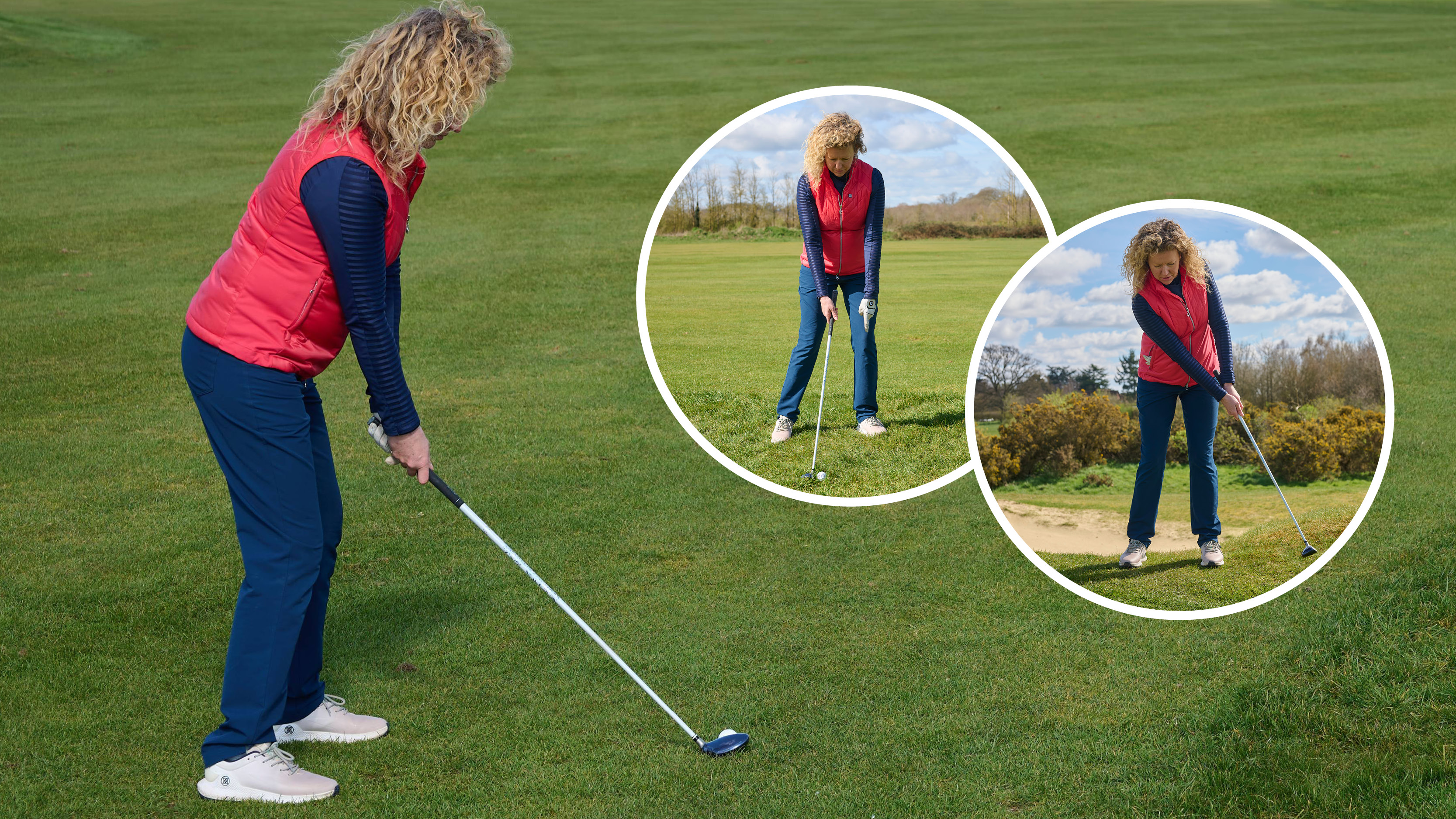 Why The Hybrid Is The Most Versatile Club In Your Bag... And How To Use It
PGA Professional Katie Dawkins on how to master the club that can hit any shot, from any lie
-
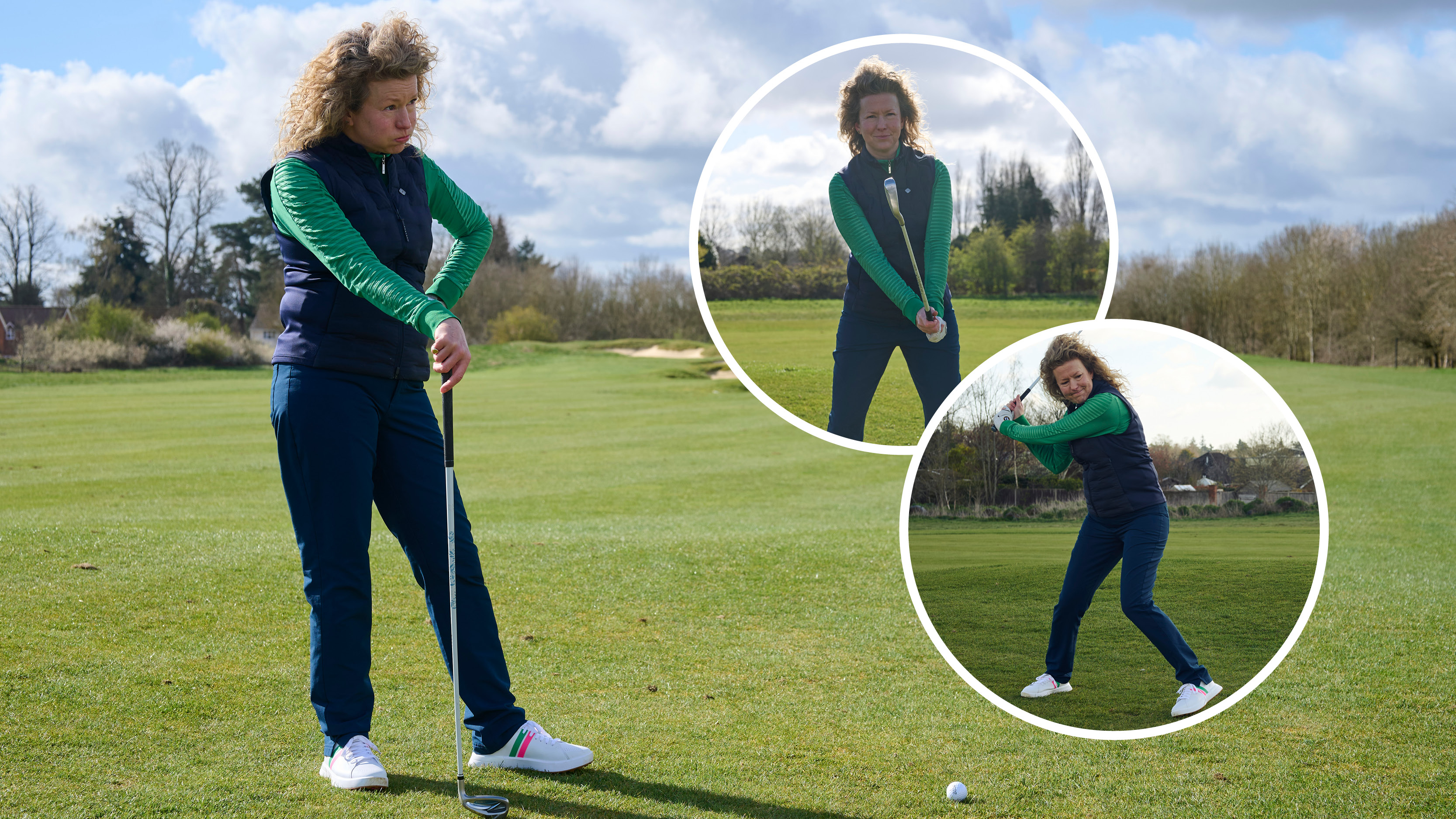 4 Tips To Fix A Mid-Round Slump
PGA Professional Katie Dawkins shares her quick-fix tips to recharging your swing energy on the course
-
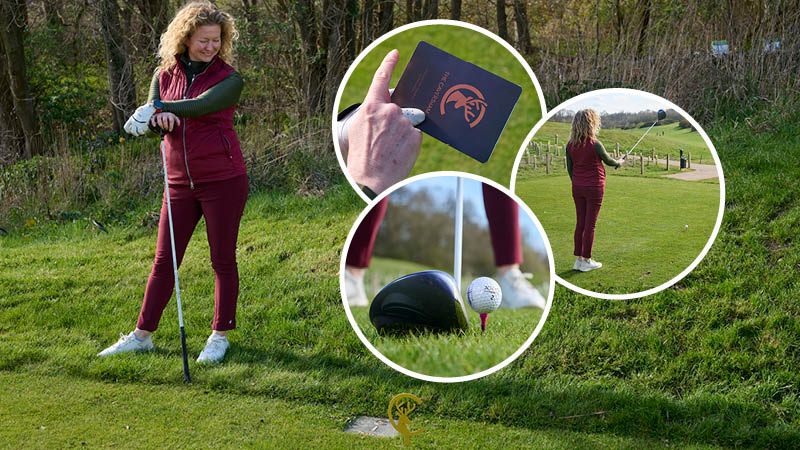 Why Your First Tee Rhythm Fails: The Secret To A Smooth Start Every Round
PGA Professional Katie Dawkins shares her tips on how to calm your nerves and maintain your rhythm on the first tee
-
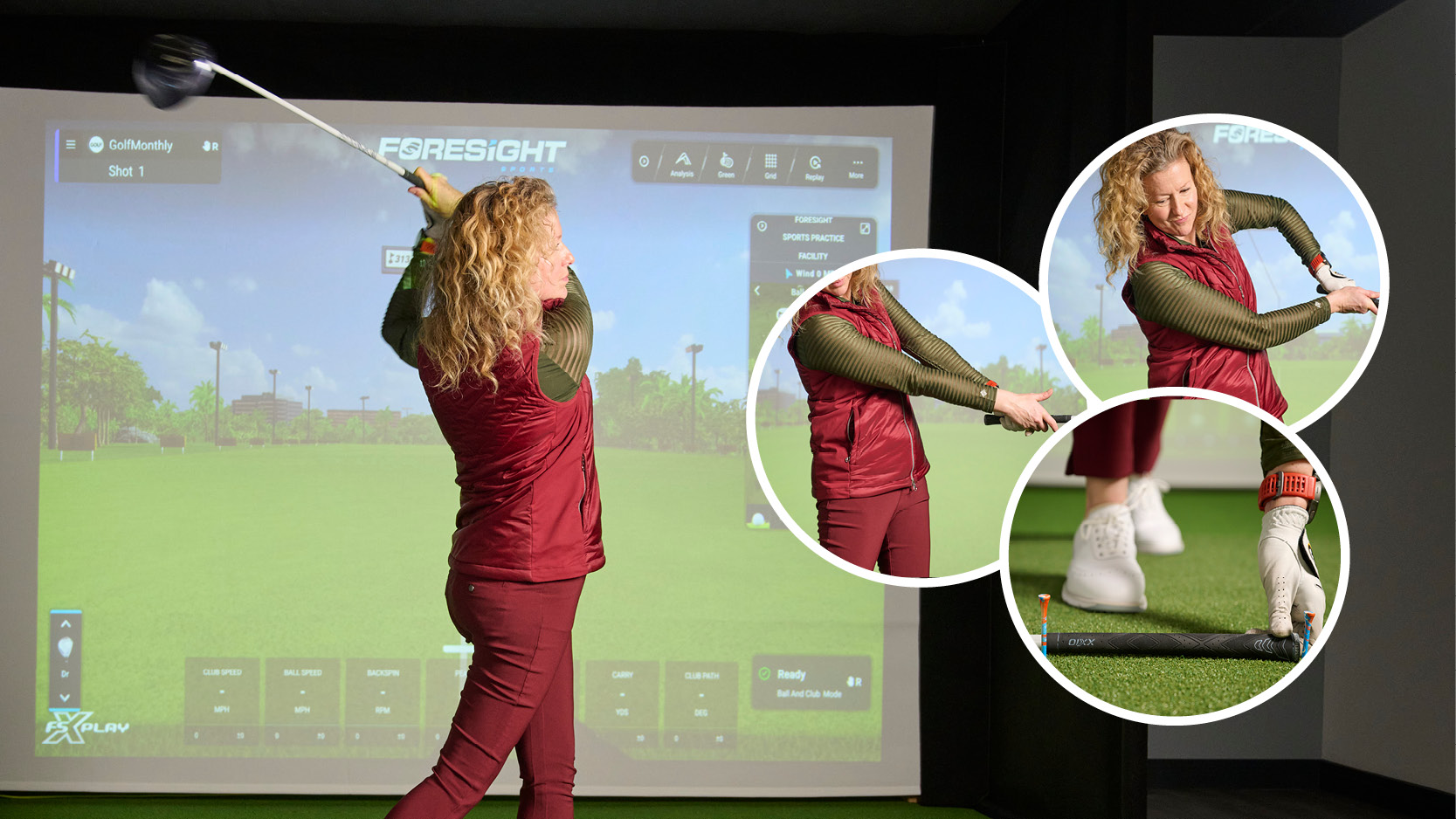 Stop Trying To Control The Ball: The Power Of Finishing Every Shot
PGA Professional Katie Dawkins on how a complete finish leads to better ball striking
-
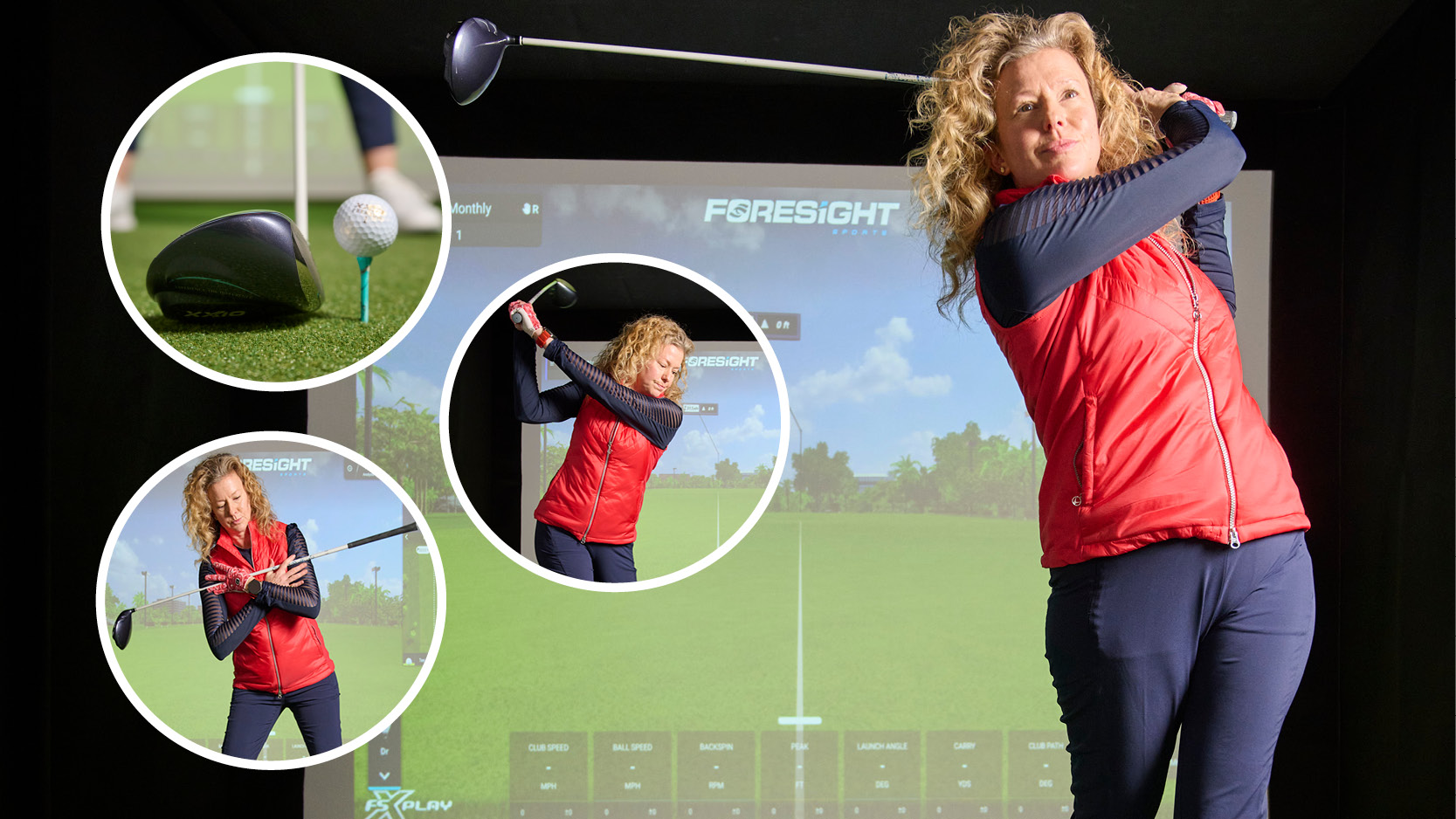 How To Increase Your Swing Speed Off The Tee Without Losing Control
PGA Professional Katie Dawkins on how to sharpen up your driver setup for greater distance and accuracy
-
 My Bunker Nightmare Ended After One Lesson With A Top 50 Coach (I Wish I'd Heard This Crucial Advice Sooner)
I'd completely lost the plot in bunkers, but a lesson with PGA Fellow Professional and Golf Monthly Top 50 Coach Sarah Bennett rebuilt my technique and saved my score


