

It’s been some time since I’ve had a driver fitting… In fact, the world hadn’t experienced the global pandemic of COVID when I last held a new driver.
For those wondering, my current big stick is a Honma TW747 and, being a model that you can’t even purchase in the UK now, it does raise eyebrows when I tell people what driver I use.
Having been in the bag for seven years, it’s gone through a lot of action and experienced some interesting drives, but the performance doesn't feel anywhere near the best drivers that are currently available on the market, so much so, that a change was required, with TaylorMade coming to the rescue.

Purveyors of the Qi4D range, which is used by the likes of recent Masters winner Rory McIlroy, as well as Tommy Fleetwood and 2026 Chevron Championship winner, Nelly Korda, the driver models have already accumulated multiple victories on the PGA Tour, DP World Tour, and LPGA Tour.
If it’s claiming wins on the professional circuits, then surely it’s worth trialing the equipment myself?
Before jumping into the results of how a seven-year-old driver compared to the new clubs, I want to talk about the aesthetic differences.
Manufacturers continue to find ways to make their models look premium, and TaylorMade is no different, as lashings of carbon on the minimalist crown really look good when behind the golf ball.
What’s more, when trialing the three different Qi4D heads – Core, LS and Max – there really is a notable difference when it comes to looks.
The Max has an extremely large profile, while the LS’ compact looks will really appeal to the more confident and competent ball striker it’s targeted at. The Core, meanwhile, blends the two perfectly and, overall, all three were really impressive.

So, what about performance?
Well, with my current gamer, my ball speed averaged out at 167.2 mph, while my carry was 279.7 yards. Although impressive, these numbers possessed a plethora of different spin and dispersion numbers.
Speed increases, and speed in general, is obviously nice to have, but when the spin numbers and dispersion are all over the place, which they were in this instance, the overall performance is going to be affected, hence a 718 rpm deviation and an inconsistent miss.
For me, I'm wanting the consistency, not distance, and the latter is something many get hung up on. Everyone wants another 15 yards but, if it's not working alongside proper ball flight and a regular shot shape, then what's the point?
This is what fitter, Stuart Gauld, was fixated on, which is why we went to work on bringing down both the spin differential and size of miss, something that started with using a standard set-up and tinkering to suit.
The swing speed dictated the shaft we went for, which was a 64-gram extra stiff, specifically the Reax MR (mid rotation), while it was the weighting and adaptability in the Qi4D core's head that really amazed me.
Adjusting the sole weighting, specifically the two nine gram and two four gram weights, the spin came down rapidly, so much so, my deviation went from 718rpm to 238rpm in the space of 30 minutes.
Yardage-wise, the numbers were similar to that of my older model, but I wasn't searching for extra yards, I wanted the spin and accuracy to be more consistent, something that, by the end of the session, we had managed to do.

"We wanted to assess what you walked in with and the first part of that was your first swings, specifically how you would swing on the golf course," stated Gauld.
"It's really important to see the misses and we could see, by the numbers, that the biggest issue was the deviation of spin off the face... We wanted to hone it in, so we looked at rotation and how you present the club and shaft at impact.
"We get the rotation number, in the form of closure rate, and that will develop a number through the six fiducial dots on the face. From there, we can start to build a profile."
Using the Core version of the Qi4D, I did experiment with the LS and Max and, although they produced very similar distances, the dispersion and flight between them all was so very different.
This only emphasized how important it was to get the head and weighting correct in the driver, something that was very easy to do in the TaylorMade Qi4D.

"Initially, we kept in the Core head. We looked at high rotation and mid rotation, due to the fact that you were between the two, eventually settling on mid rotation as that gave us the best numbers," explained Gauld.
"We did also try different heads, just to make sure we were categorically set on the Core. Interestingly, they went all the same distance, but it was very different in dispersion. This comes down to the lie angle, where the Max is 2° upright to the Core, while the LS is 2° flatter.
"This is now where we played around with the weights. We started with the two nine grams at the back and the two fours at the front. We then swapped them around, which was okay, but created more dispersion.
"We worked out the miss was towards the heel, so the nine gram weights went towards the heel and the two fours towards the toe. That is when we got our best data, where the best shot was produced more often."
Golf clubs are crammed full of technology to help get the most out of your game and, following my hour with TaylorMade, I was blown away by how much the Qi4D range offers to maximize the tee shots.
After years of struggle, the new big stick could be the key to unlock my full potential on the tee box.

-
 Bryson DeChambeau Reveals New Backyard Challenge Following 'I'm Coming Home' Teaser
The two-time Major winner has announced a new social media challenge involving some popular content creators
-
 Presidents Cup 2026 Tee Times, Format And Full Schedule
Another feast of matchplay golf is almost upon us as the US bid to defend the Presidents Cup at Medinah


-
 The Expensive Golf Equipment That Is Really Worth Your Money
Equipment testers Dan Parker and Joe Ferguson talk about some of their favorite pricey products that fully justify the expense
-
 This Unique Launch Monitor Not Only Tells You What Happened During Your Swing, But Why
The days of launch monitors spitting out numbers and putting the onus on you to determine what they mean may be over courtesy of the NeoPace G10 Pro.
-
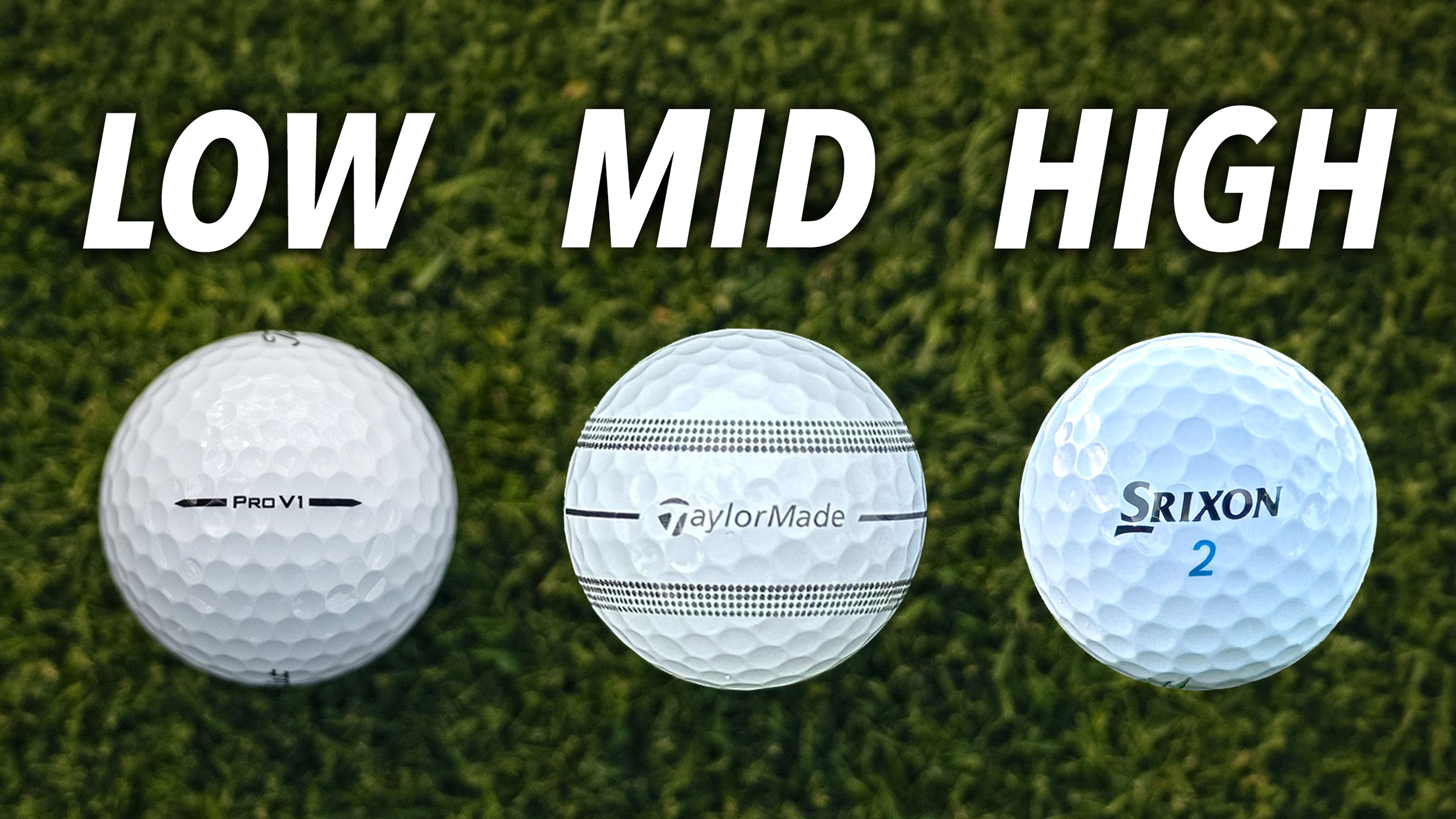 Are You Playing The Right Golf Ball? Our Experts List Their Preferred Options For Every Handicap Range
It's essential to play with a golf ball that's suitable for your game, so our team of gear gurus has put together a list of favourites in each category
2 Comments -
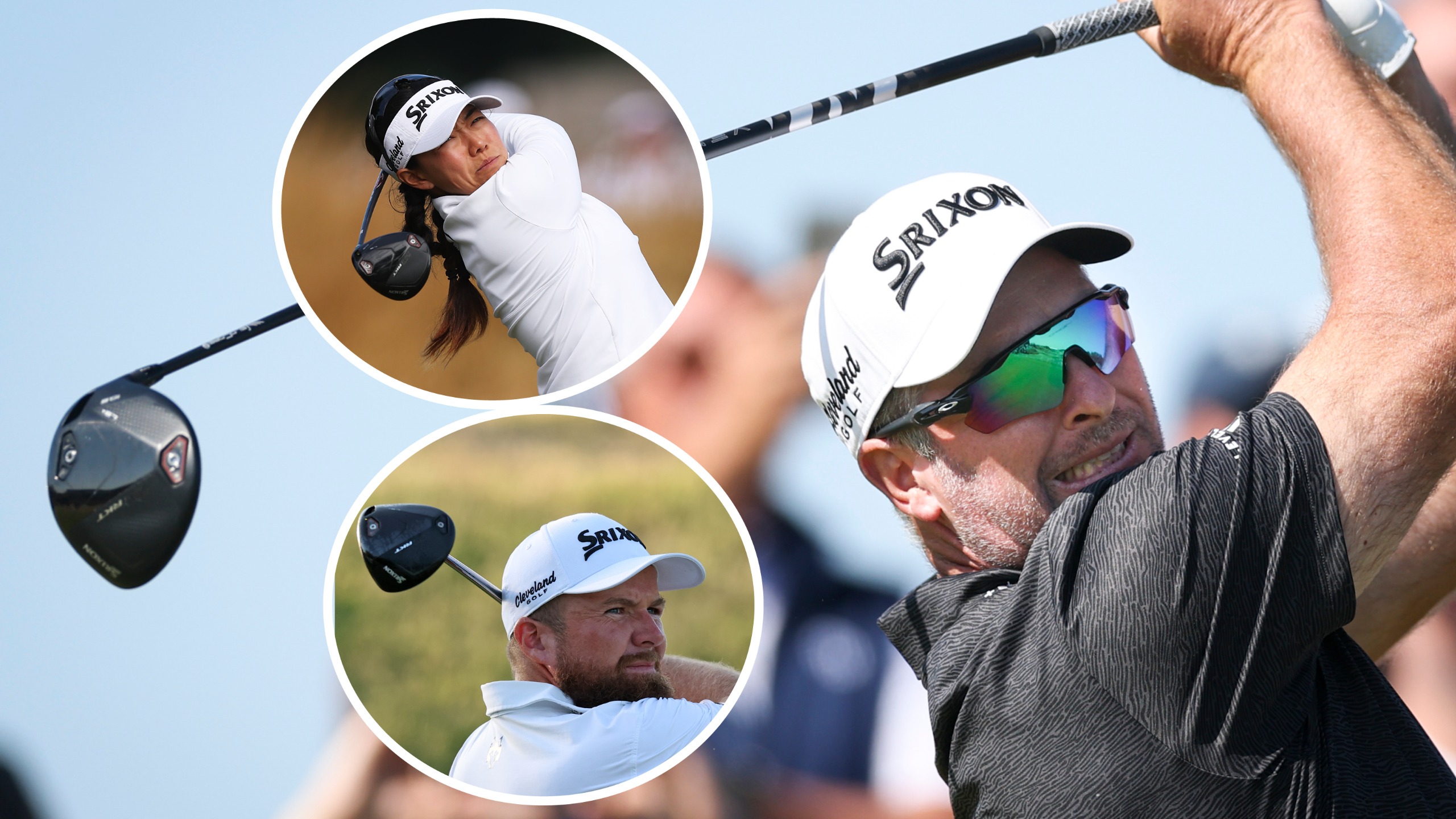 This Unreleased Driver Is Chalking Up Massive Tour Wins... But When Can You Get It?
Major champions like Ryan Fox and Shane Lowry are putting Srixon's unreleased driver straight into play - here’s when full specs drop and when you can get fitted…
-
 Golf Monthly Forum Debate: Should You Try Direct-to-Consumer Clubs?
The attractive prices mean they are growing in popularity but what are the drawbacks and are they right for your bag?
3 Comments -
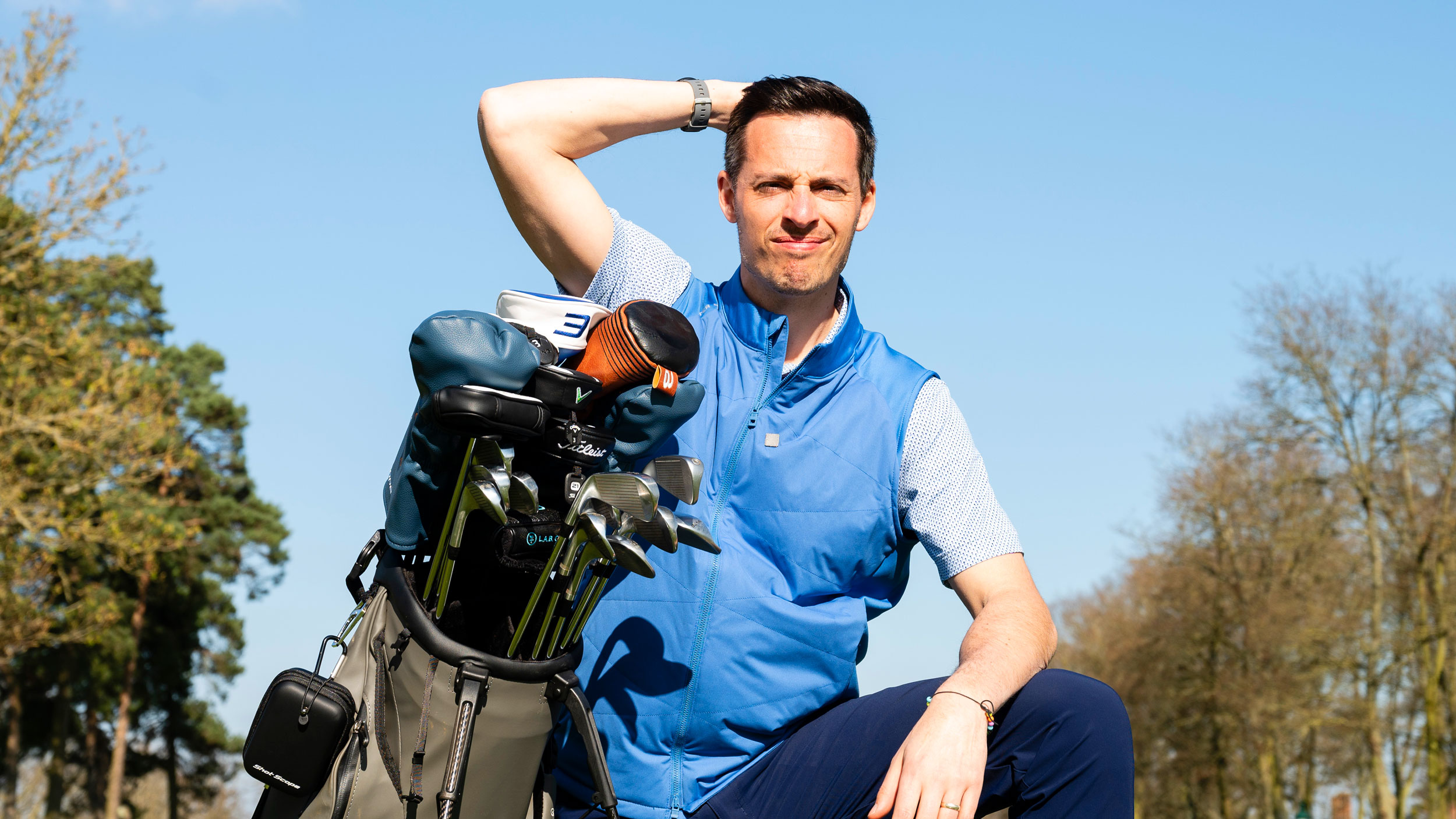 Irons Vs Hybrids Vs Fairway Woods Vs Wedges – How Many Of Each Should You Carry?
Are you struggling to work out how many of each type of club you should carry? There are basic principles to keep in mind
-
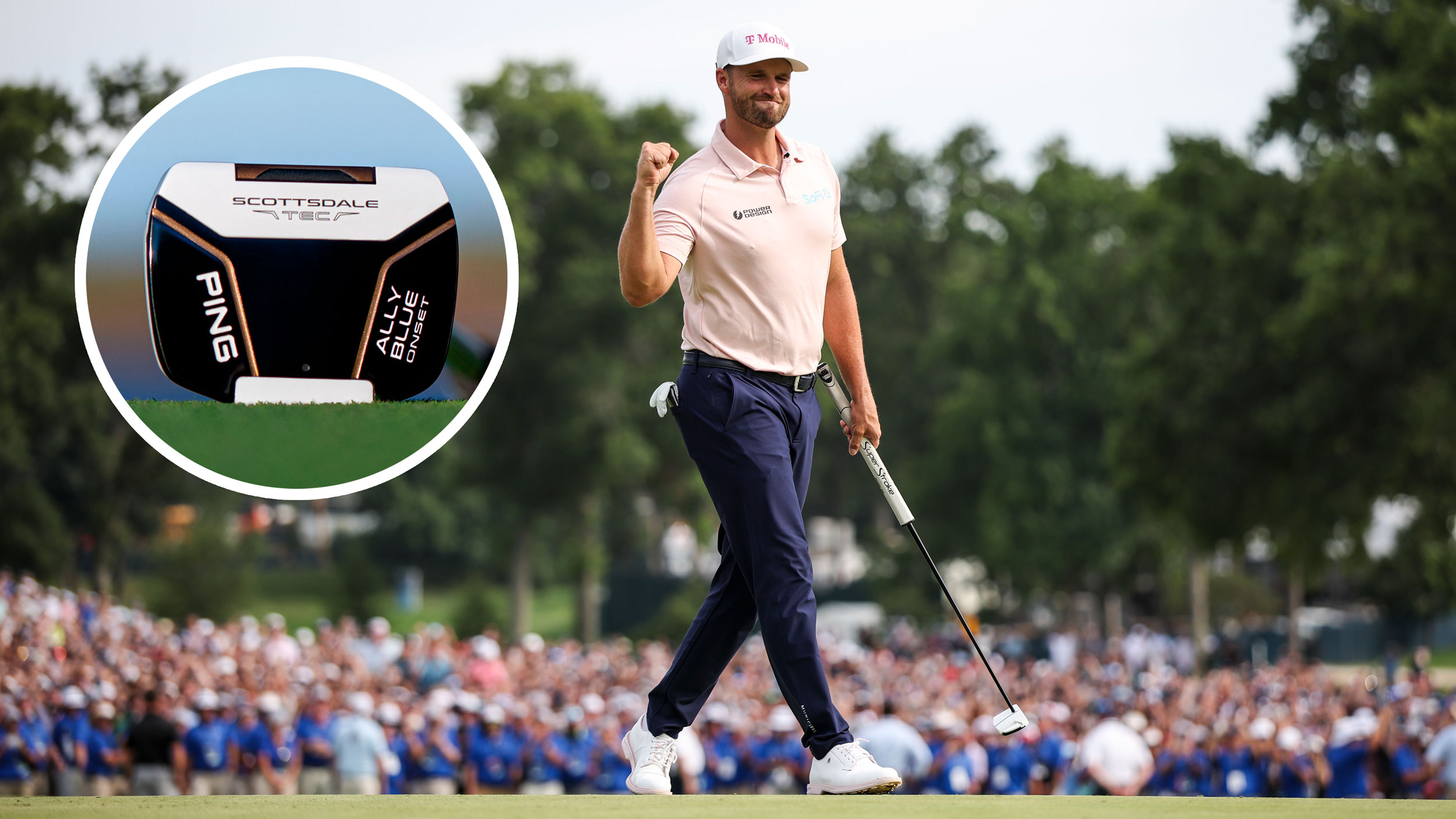 Switching Into Ping's Scottsdale TEC Ally Blue Onset Helped Wyndham Clark Lead the 2026 Tour Putting Stats... Here's How It Happened
With three victories in 2026 including a major championship, Wyndham Clark has enjoyed a stellar season thanks to his switch into the Ping Scottsdale TEC Ally Blue Onset putter
-
 Golf Monthly Forum Debate: Is The Mini Driver Finally Replacing The 3-Wood For Mid-Handicappers?
The Golf Monthly forum has had its say on the well-known debate around this crucial spot in the top end of the bag. Will it help sway your final decision?


