






A custom fitting is a brilliant way to get the right clubs for your game, but not all fittings are created equal. One of the big decisions you have to make is whether you get fitted indoors on a simulator or outdoors on a driving range – and there are unique benefits to both options.
The best way for you to get fitted will depend on a variety of factors, including where you feel most comfortable, what clubs you’re being fitted for, the technology available and weather conditions.
We spent some time with PXG Master Fitter, Will Crozier, to learn about the key differences between indoor and outdoor fittings, and help you identify the best approach for you.
Your Comfort Level
To get the right clubs for your game, it’s important that you replicate how you swing and the shots you typically hit as closely as possible during your fitting. The fitter can only go on what they see from you during the session in terms of your data, tendencies and the shots you display, so the closer you are to ‘normal’ the more accurate the fitting will be.
The environment you get fitted in can have a significant influence on that. Some golfers struggle to swing in their normal way on an indoor simulator, so an outdoor fitting could help them feel more comfortable. On the other hand, weather conditions like temperature and wind can have an impact on your swing, shots and numbers, so a more controlled indoor set-up can be beneficial, and is usually preferred by the fitter if it works for the golfer.

Golf Ball Choice
The balls can have a big impact on all sorts of data, such as launch characteristics, spin rates and flight – and these numbers will affect which clubs and set-ups look like the best for you.
An indoor fitting enables you to hit the balls you use on the course, so it’s easier to identify what works for you. It can be very difficult to do an outdoor fitting for the long game with the balls you use as you usually have to use the range balls provided. While this makes it more difficult, an experienced fitter should be able to take this into account, but it’s still advantageous to use a good quality ball like the PXG Xtreme Tour.
This isn’t such an issue for the wedges or putter as you should be able to use your preferred ball on the short game area or putting green.

With an outdoor PXG fitting you get to see the actual ball flight alongside the launch monitor data
Seeing The Ball Flight
With an outdoor fitting you can see your entire ball flight, whereas indoors your full shot will be recreated from the numbers obtained by a launch monitor, such as a Trackman, and projected onto the screen. Some people like to see their full ball flight outside, but it can also be severely affected by the temperature, wind, rain and other environmental factors, especially in winter.
The flights you see on modern simulators are incredibly accurate and are unaffected by any outside influences, so what you see is what you and the club have produced. This is important for all areas of the bag but particularly when getting a feel for the forgiveness benefits on offer from clubs such as the PXG Lightning Max 10K+.

Seeing how the club interacts through the turf can be a helpful part of an outdoor fitting
Turf Interaction
How the clubhead moves through the turf and what impact that has on your shots is a big part of finding the right clubs for your game – with the obvious exception of driver, as not too many of us are hitting that off the deck.
A well-maintained, premium mat will do a really good job of replicating that, but it’s still not actually hitting the ball off real turf like you’re able to do in an outdoor fitting. Again, the time of year and weather can be a factor here, as hitting off turf that is too wet won’t really help you anyway.
Turf interaction is especially important with your wedges, so you should definitely test the bounce and grind options you’re considering in real-world outdoor situations, especially if you can use the exact turf conditions that you play most of your golf on. It’s also really helpful to try hitting shots from bunkers and the variety of lies and grass lengths that you face on the course when buying wedges.

Putting
Indoor putting greens are fantastic these days and most putter fittings will take place indoors because it’s a lot easier for the fitter to use cameras and technology to capture and analyse your putting stroke and ball roll in that controlled environment.
That being said, an outdoor putting green will obviously be more of a real-world experience and the bigger size and variety of slopes will allow you to hit a wider array of different putts.
Indoor v Outdoor Fitting - Which Is Right For You?
Do an indoor fitting if…
You can easily replicate your normal swing and shots indoors.
You want the benefits of using your preferred golf ball.
You want swings and data unaffected by weather conditions.
You want to take full advantage of the extra technology available indoors.
Do an outdoor fitting if…
You’re not comfortable hitting balls into a simulator.
You like to see the entire ball flight.
You’re getting fitted for wedges.
You really want to feel the real turf interaction.

-
 With Over $100 Off, Carl's Golfland's adidas Golf Shoe Sale Is Not To be Missed (so I've picked out six of my favorite discounted models)
We've spotted several of the best adidas golf shoes on sale at Carl's Golfland for prices you won't want to miss
-
 Adidas Codechaos 27 Women's Golf Shoe Review: Is It Still One Of The Best Spikeless Options?
Does adidas's updated spikeless shoe deliver on its big promises of comfort, grip and chaos?


-
 Every Item All Golfers Need In Their Bag (And Some They Don’t!)
What do you really need when you head out for a round of golf? We give you a list of the essentials… and some things you could do without
-
 If You’re After Effortless Clubhead Speed This Training Aid Could Be Your Answer
Have you been training for speed all wrong? The GForce speed trainer teaches how resistance could be the missing link to longer, straighter drives
-
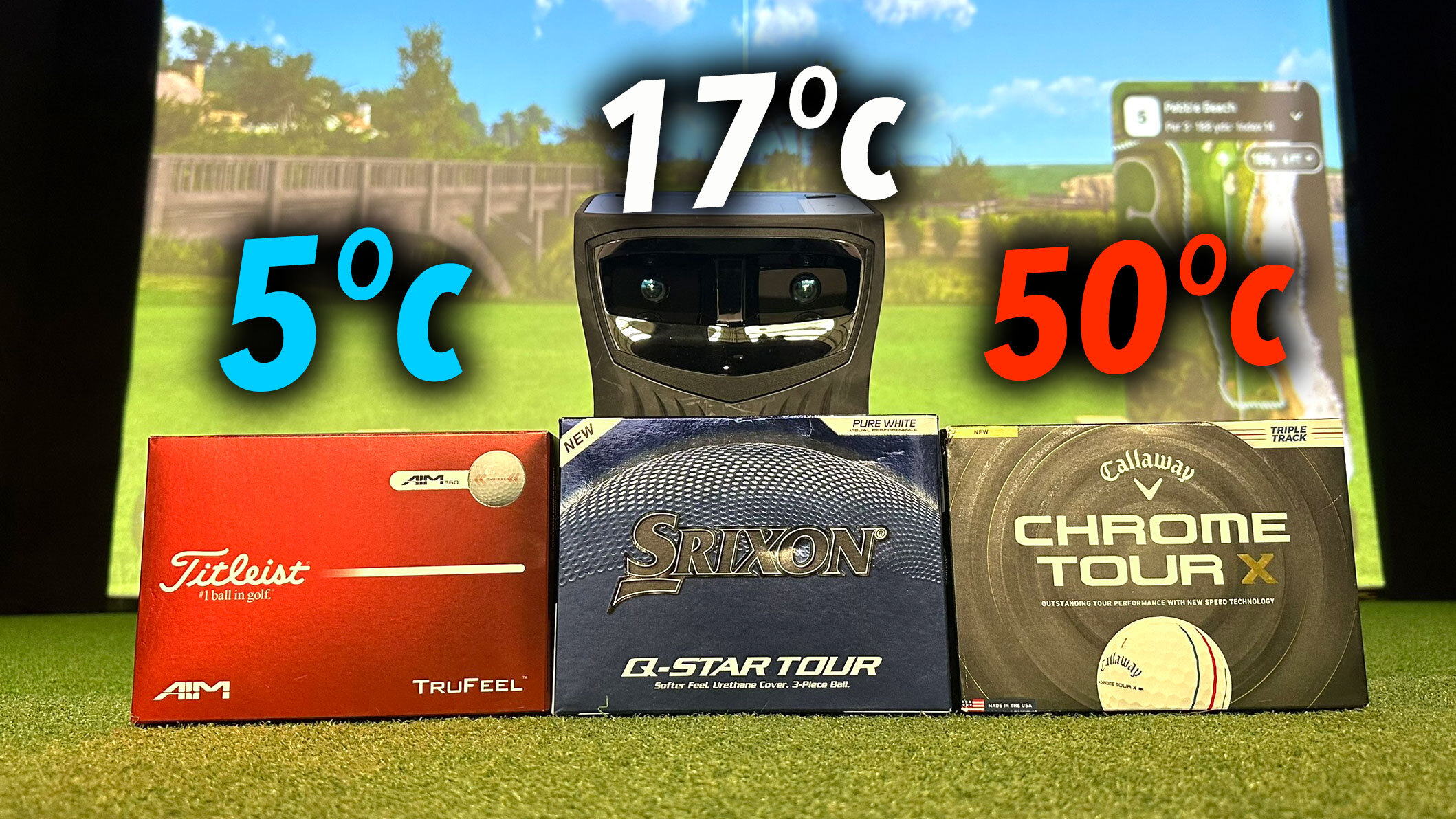 How Does Temperature Affect Golf Ball Performance?
Do you know much distance you're giving up to the weather? Resident golf ball expert Sam De’Ath puts three different golf balls at three different temperatures to the test
-
 Beyond the Driver: Why a Full-Bag Shaft Fitting is the Secret to Better Golf
Unlock total consistency from tee to green by matching tailored shaft profiles to your swing across every club in your bag...
-
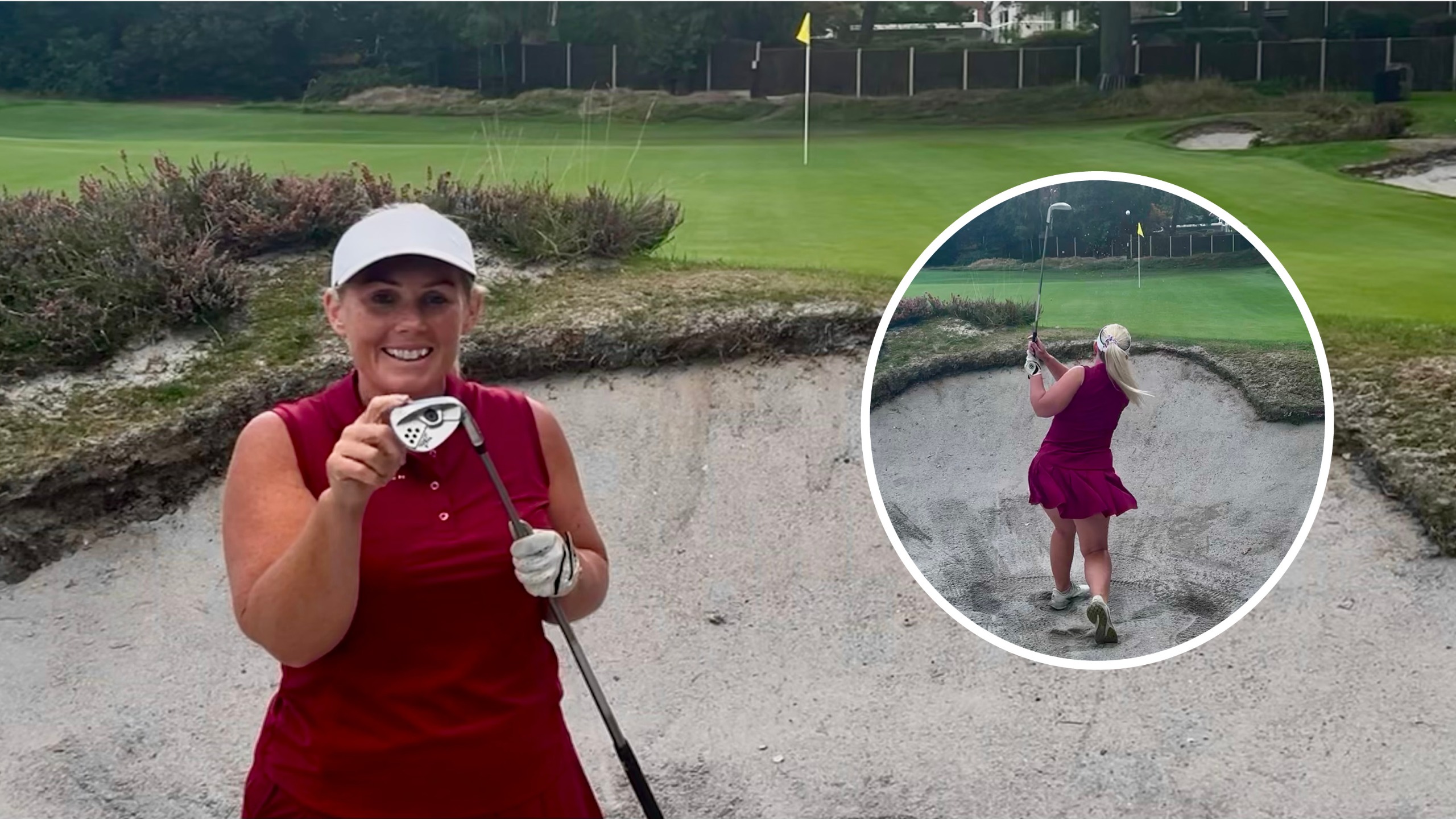 The Reasons Your Set’s Standard Sand Wedge Is Failing You
If you struggle to escape the sand, the issue might not be your swing - it's the club that came with your set
-
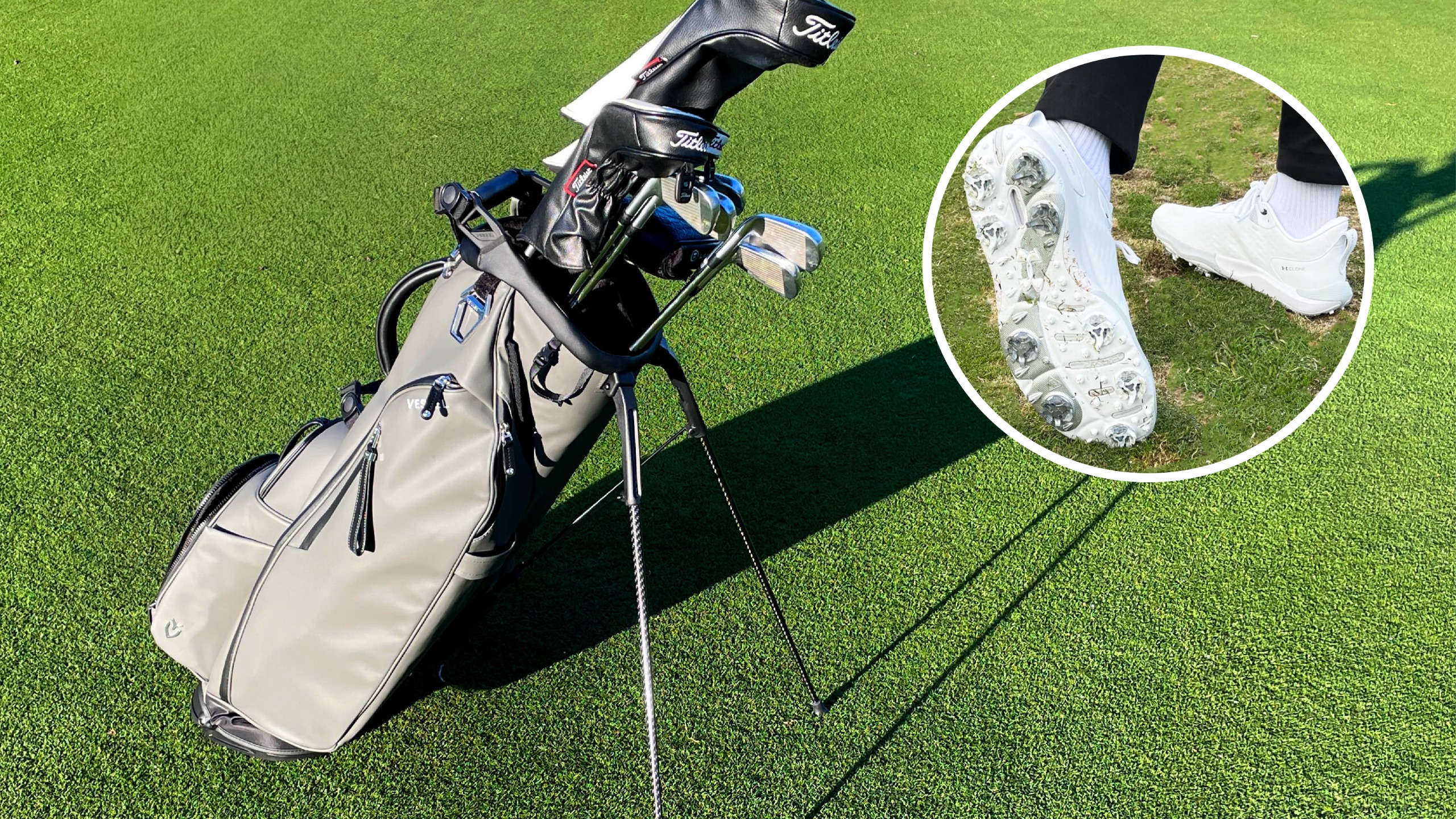 The Expensive Golf Equipment That Is Really Worth Your Money
Equipment testers Dan Parker and Joe Ferguson talk about some of their favorite pricey products that fully justify the expense
-
 This Unique Launch Monitor Not Only Tells You What Happened During Your Swing, But Why
The days of launch monitors spitting out numbers and putting the onus on you to determine what they mean may be over courtesy of the NeoPace G10 Pro.
-
 Are You Playing The Right Golf Ball? Our Experts List Their Preferred Options For Every Handicap Range
It's essential to play with a golf ball that's suitable for your game, so our team of gear gurus has put together a list of favourites in each category
2 Comments


