







I Studied How Scratch Golfers Practise And Found 4 Tips For High-Handicappers
What can high-handicappers learn from the practice sessions of scratch golfers? Well, thanks to the latest data from Shot Scope, I've found four key lessons...


I can do one thing as well as a scratch golfer, despite being a 20-handicapper. Before you scoff, hear me out!
You often hear about how single figure golfers are planning to get to scratch, but high-handicappers can also learn from the best amateurs in the game and attempt to close the (very) big gap between them.
Understanding how to practise like a scratch golfer is the key, as that provides a platform where a 'consistently inconsistent' golfer like me can actually mirror the actions of far more competent players.
I might not be able to hit the ball 300+ yards or land the golf ball five feet from the hole (other than by accident), but I can certainly plan and execute a practice session as effectively as the rest of them... if I have the right information.
How Does A Scratch Golfer Practise?
If I were to use one word to describe a scratch golfer's practice session, it would be efficient.
My analysis of the latest 2026 data from Shot Scope, which draws on tracked sessions from their LM1 launch monitor, showed that scratch golfers tend to chunk their practice into compact sessions and often assign just one club to each visit to the range.
This clear plan and intent to work on a specific element of their game takes discipline, which is not a word I would use to describe the practice sessions of most high-handicap golfers - including myself.

A scratch golfer hits less golf balls on average per session than high-handicap golfers
Practice Habits: Scratch Golfers vs High-Handicappers
The contrast between my game and the stripe show displayed by a scratch golfer is stark, but that doesn't mean our practice habits have to be.
I am in control of that. Admittedly, I haven't done a great job of structuring my practice to date, but after analysing this data I am ready to make four key changes to my habits this winter and into the 2027 season...
1. Duration vs Quality
Longer doesn't necessarily mean better, despite what you might hear on the internet.
When it comes to practice sessions on the driving range, spending an unstructured hour wildly thrashing balls in all directions is not helpful.
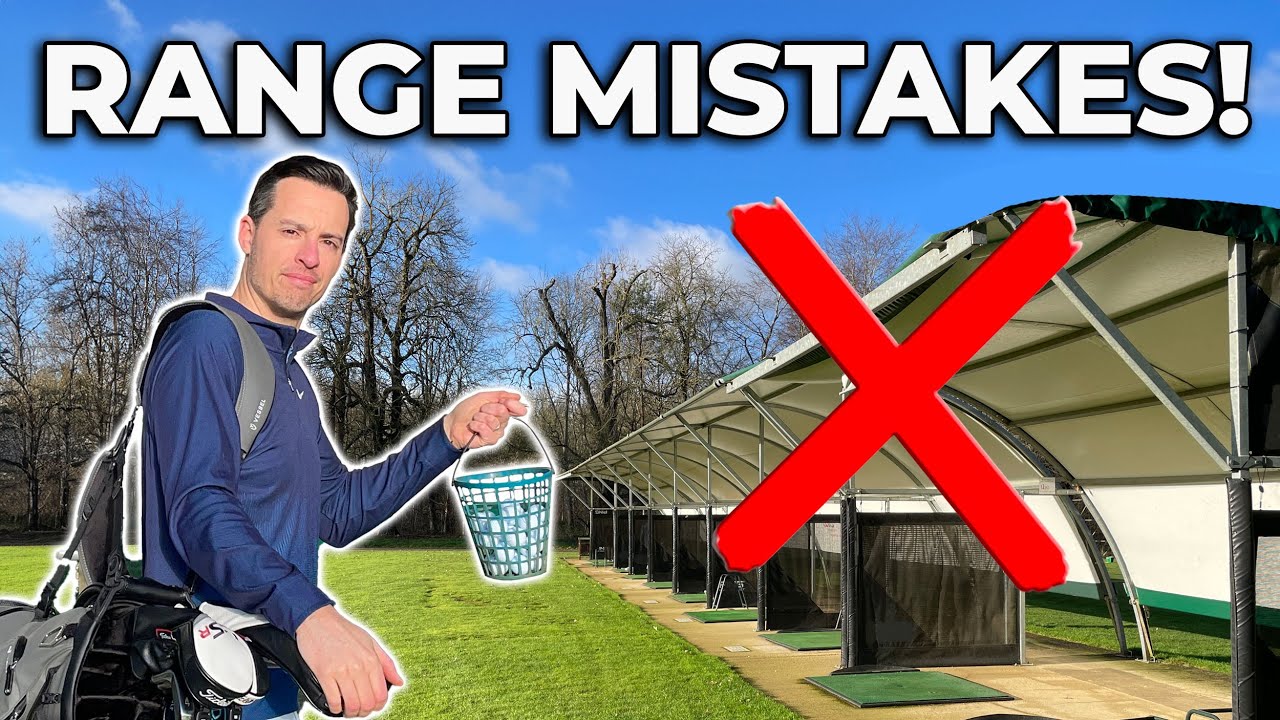
Instead, a shorter session with a clear purpose is far more productive. Top 50 Coach Ben Emerson attests this point in the video below, where he discusses the seven things you should never do on the driving range - including turning up without a plan.
2. Club Selection
Interestingly, 17% of scratch golfers dedicate a whole practice session to just one club - vs 11% for every other handicap band.
When they are going through the bag, however, there is a much better balance between all areas of the game.
High-handicappers dedicate 50% of their practice time time to the top end of the bag, favouring the big stick and the fairway woods, whereas a scratch golfer averages around 42% of balls in each session with these clubs.
Instead, a scratch golfer creates time for shorter irons and pitch shots, dialling in distance control within that key distance range of 100-150 yards.
3. Don't Neglect The Short Game
Scratch golfers spend around 14% of their total practice balls on their short game, which is double the high-handicapper's 7% average.
That means from a bucket of 50 balls, a scratch golfer is hitting seven shots with their most lofted clubs, whereas a high-handicapper is only pulling the lob/sand wedge three or four times.
Controlling distance from within 50 yards of the green is a significant separator, so it would make sense for more amateurs to make time for wedge shots on their future visits to the range.
4. The Driver Debate

A scratch golfer also hits driver less frequently and spends more time with their wedges during range sessions
So many amateur golfers go the range, immediately pull the head cover of the drive and machine-gun ball after ball down the fairway.
Using a driver at the range almost feels taboo if you consider the lack of impact this unstructured time-wasting has on your game, but if you robustly plan it into your session you might actually start to see gains off the tee.
Scratch golfers hit fewer drivers in practice sessions than any other handicap index group, but they do turn to the big stick for around 19% of golf balls in their bucket.
The difference in usage between a scratch golfer and a high-handicapper isn't huge (19 vs 21%), but the driver turns up in fewer sessions.
This perhaps hints at a better long-term plan for achieving their end goal, while understanding that not every session needs to include the show stopper.
Sometimes, working on ensuring a centred strike with irons or sharpening up in the scoring zone is a much better use of your time.
Bonus Tip: Practise This Wedge Ladder Drill
Based on everything I have said above, perhaps we should show some love to the short game.
Next time you head to the driving range, try this wedge ladder drill from Shot Scope.
"Pick a number as a target, 20 yards, then 30, and then ladder through to 60 yards or beyond, and check the carry.
"It’s a small change, but it’s also the biggest difference between how the best golfers practise and how everyone else does".