






Sponsored by

Can 30-Year-Old Golf Clubs Beat Modern Tech? I Took A Retro Bag To A PGA Event...
Pairing iconic '90s clubheads with top-of-the-line 2026 shafts, I entered an official Pro-Am to put nostalgia to the ultimate test


As a PGA Professional and equipment tester, modern gear can sometimes feel like an endless arms race of adjustable weights, high-MOI heads, and launch monitor optimization.
While modern tech is undeniably effective, at times I find myself longing for the purity, soul, and memories of the clubs from my junior golf days - some I actually played, and others I just desperately wanted to but never could.
Some were just pure brilliance, while others just looked a million dollars and lacked any sort of technical proficiency whatsoever! Either way, they were full of character and personality.
Watch: Joe Ferguson takes on a PGA event with 'vintage' equipment...
So, I decided to run an experiment: could a nostalgic bag featuring clubheads between 25 and 40 years old give me any real chance of competing in a modern PGA Professional event?
My hunch was… maybe? However, I wasn’t fully confident that the three-plus-decade-old shafts were going to cut the mustard. So, I reached out to my friends at KBS Golf, who kindly stepped up and provided a suite of top-of-the-line 2026 shafts and grips, and I set about building my retro setup for some tournament golf.

This was the first time I had ever used graphite iron shafts in competition and the KBS TGI did not disappoint
The challenge was the individual professional section of the Cotswold Hills Pro Am on the PGA South West Region circuit. To make the experiment authentic, I set one strict rule: zero practice beforehand. I simply built the clubs and turned up cold on the first tee.
The Nostalgic Arsenal
Curating this bag was a thrilling trip down memory lane. Combining classic aesthetics with modern shaft stability was more fun than should be allowed in the workplace, frankly. Here is what I cooked up (let me know what your setup would look like in the comments section):
Driver: TaylorMade R510TP (2003) – I picked this one because this beautifully deep and squat driver was the first club I ever received for free while on the England Squads. It came in at 8.5˚, and I shafted it with a KBS TG Black 60 TX.

TaylorMade R510 TP Driver
3 Wood: Titleist PT (1992) – At 34 years old, there was only one choice. Visions of Tiger Woods and Davis Love III ripping low bullets made this clean, tiny steel head my most anticipated club. Demanding and beautiful, I paired it with a KBS TG Black 70 TX.


Irons: Titleist 962B (1997) – A 29-year-old cult classic. When Titleist signed David Duval, they needed an iron he would actually play, and they nailed the brief. Surprisingly cast rather than forged, they feature generous heel relief because Duval played closed-to-open with a fade and hated heel drag, alongside progressive bounce (7° in the wedge down to 0° in the 3-iron) and progressive offset (.050” up to .120” in the 3-iron). I shafted these up with KBS TGI 110 graphite shafts to complete their modern makeover.


Wedges: Cleveland 588 Tour Action Raw 54° & 60° (1988) – At 38 years old, Cleveland was Vokey before Vokey existed. I still fondly remember sitting quietly by a chipping green watching Ernie Els put on a balata-ball masterclass with these at the Volvo Masters in Spain in the late nineties. Once again, surprisingly cast rather than forged, I fitted them with KBS Hi Rev wedge shafts.


Putter: Scotty Cameron Laguna 2.5 (2001) – 25 years old. While most chased an Anser 2 or Ping B60, I spent my youth loving Brad Faxon’s stroke. The higher, wider toe looked stunningly good to my eye, and I installed a KBS GPS Tour 120 shaft.

Scotty Cameron Laguna 2.5 putter
Trial by Fire: Cotswold Hills Pro-Am
Tournament day rolled around and I trudged to the tee with a mixture of trepidation and excitement flowing through me, and before I knew it, my name was read out by the starter.
The round started superbly well with a drilled, low bullet from the Titleist PT 3-wood off the 1st tee, and after a nice wedge shot to 20 feet and a narrow miss for birdie, three further pars on holes 2 - 4 gave me increasing confidence that I might be able to put a respectable score together.

The KBS TG Black 70 TX shaft in my 3 wood helped power a bullet of an opening tee shot
Sadly, just as I was letting my mind wander to my victory speech, along came a round-stalling bogey, triple-bogey run at holes 5 and 6. I couldn't blame the clubs at all; it was pure course management coupled with bad swings, and it quickly left me sitting at +4.
Truth be told, I rallied well on the next, making birdie on a fairly straightforward par 5, and then I consolidated to reach the turn at a somewhat frustrating three-over-par 39.

Incredibly smooth at this level of stability - the TG Black shafts in my driver and 3 wood were superb
At this stage, I felt nothing but good vibes toward all of the equipment. The ultra-smooth TG Black 70 TX in my Titleist PT was a highlight - I seemingly couldn't miss with it despite its minuscule head!
Furthermore, the GPS Tour putter shaft in my Scotty Cameron Laguna 2.5 was a revelation in vibration dampening. I couldn’t recommend a switch to a graphite putter shaft more to anyone who is searching for softer feedback through their hands. It can actually completely change the overall feel of a putter.

The KBS GPS Tour 120 putter shaft has convinced me never to return to steel in my putters
Entering the back nine, swinging ok, and starting to get used to my vintage bag, my target was to get back to level par, which felt eminently achievable.
I opened with solid pars at the first five holes of the back nine, sadly missing a great birdie chance on the par-5 13th when another rocket 3-wood tee shot left me an 8-iron second shot, which I unceremoniously dumped into the front-right bunker and failed to up and down.

The 'MVP' of the day; The Titleist PT 3-wood launching another tee shot off the par-5 13th hole
However, at the 215-yard par-3 15th, I struck a beautiful 4-iron at the left side of the green, only to see a cruel bounce left leave me completely short-sided with little chance of saving par. The resulting bogey left me at 4 over, and, with the wind now well and truly out of my sails, I added a sloppy bogey on 17 with a mis-clubbed 9-iron approach from the fairway before a solid par four at the last saw me sign for a 5-over-par round of 77.

My Kick Point podcast co-host Dan Parker (left) kindly stepped in as my caddy for the day
The Finishing Position & Key Takeaways
Signing for a 77 placed me precisely in the middle of the pack - 21st place out of 41 competing professionals. While I guess this is respectable given the supposed disadvantage of 'ancient' gear, I couldn't help but feel a real sense of what might have been.

A T21st place finish was a little disappointing, but I can have zero complaints about the equipment I used
I was swinging the club ok that day, and to be honest, I don’t think the clubs provided even the merest of disadvantage to me over the round, barring the lack of familiarity with the wedge soles costing me a couple of times from the bunkers (I was only 2 from 6 in terms of sand saves).
My main takeaways from the day were crystal clear:
Petite Fairway Woods Just Work For Me: Paired with a high-quality shaft like the KBS TG Black, I seem to respond strangely well to extremely petite fairway woods (both the PT on show here and the TaylorMade Tour Spoon I used in a past dump build!).

Jason Day is one of many tour pros to be putting the TG Black shafts to good use on the PGA Tour
Goodbye Steel Putter Shafts: The KBS GPS Tour putter shaft was an absolute revelation in feel. I genuinely don't think I will ever go back to a traditional steel putter shaft.
Respect Wedge Bounce and Soles: This experiment proved to me that you simply cannot pick up a wedge with a totally different sole and bounce to what you are used to and expect any semblance of control on fiddly touch shots - which is ultimately where I dropped my shots.

A lack of familiarity with the wedge soles was the most difficult part of this experiment for me
All in all, it was no disgrace (although I’d love to take another crack at it). I definitely feel that there were some interesting learnings and that timeless head shapes powered by modern 2026 shaft technology proved that nostalgia can still just about hold its own on the professional stage.
If you would like to explore what the best of modern shaft technology can do for your game (or even your old clubs!), the KBS website would be a great place to start.
Speak to your local fitting facility to start your journey.

-
 Who Are The 2026 Presidents Cup Captains And Assistants?
Take a look at the Presidents Cup captains and their assistants as the US hosts the Internationals at Medinah
-
 Nominations Open For 2026 Women In Golf Awards As Event Celebrates 5-Year Milestone
Celebrating 5 years of industry trailblazers, nominations are open to honour the leaders, innovators, and unsung heroes shaping the future of golf


-
 Beyond the Driver: Why a Full-Bag Shaft Fitting is the Secret to Better Golf
Unlock total consistency from tee to green by matching tailored shaft profiles to your swing across every club in your bag...
-
 The Reasons Your Set’s Standard Sand Wedge Is Failing You
If you struggle to escape the sand, the issue might not be your swing - it's the club that came with your set
-
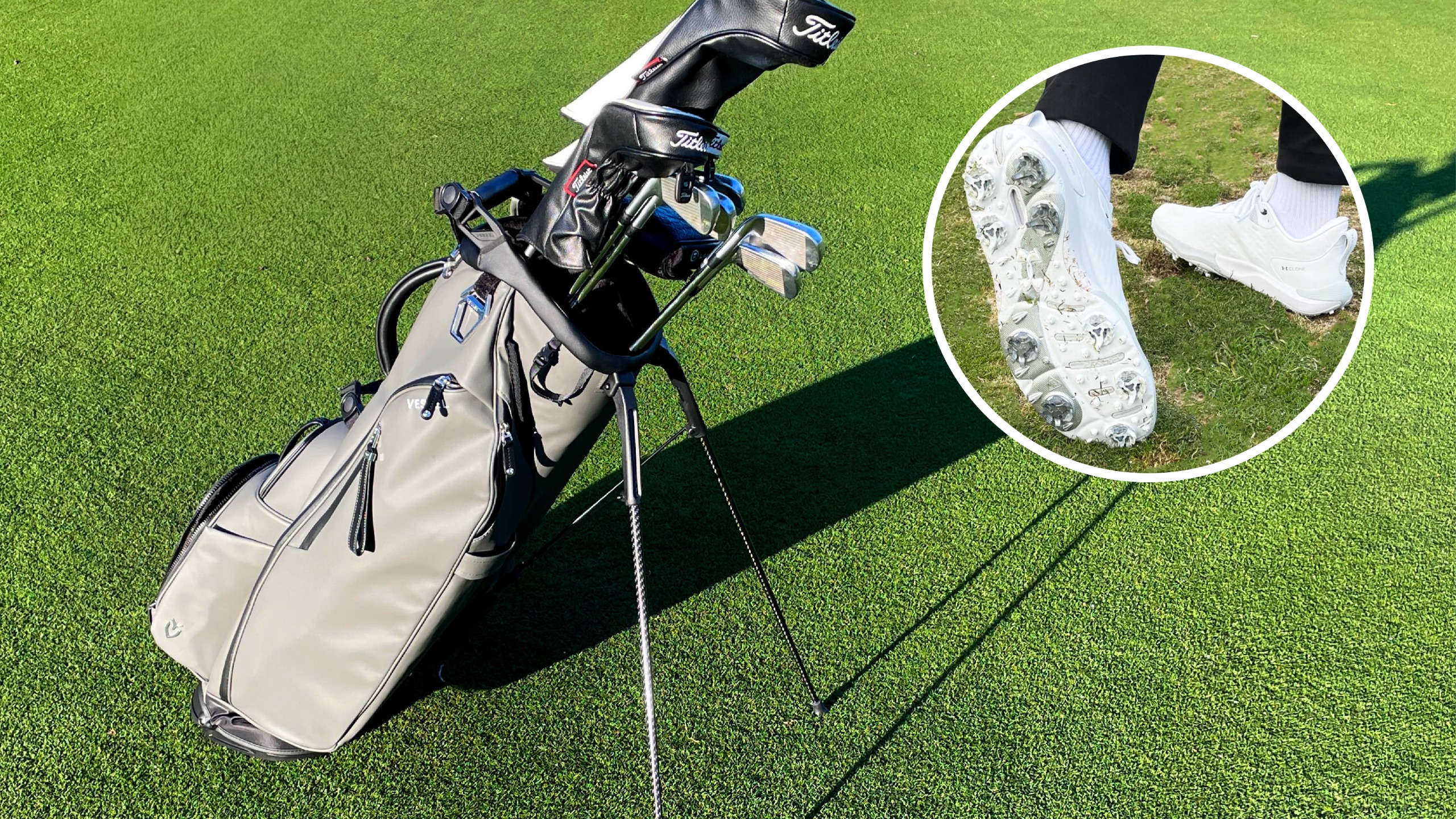 The Expensive Golf Equipment That Is Really Worth Your Money
Equipment testers Dan Parker and Joe Ferguson talk about some of their favorite pricey products that fully justify the expense
-
 This Unique Launch Monitor Not Only Tells You What Happened During Your Swing, But Why
The days of launch monitors spitting out numbers and putting the onus on you to determine what they mean may be over courtesy of the NeoPace G10 Pro.
-
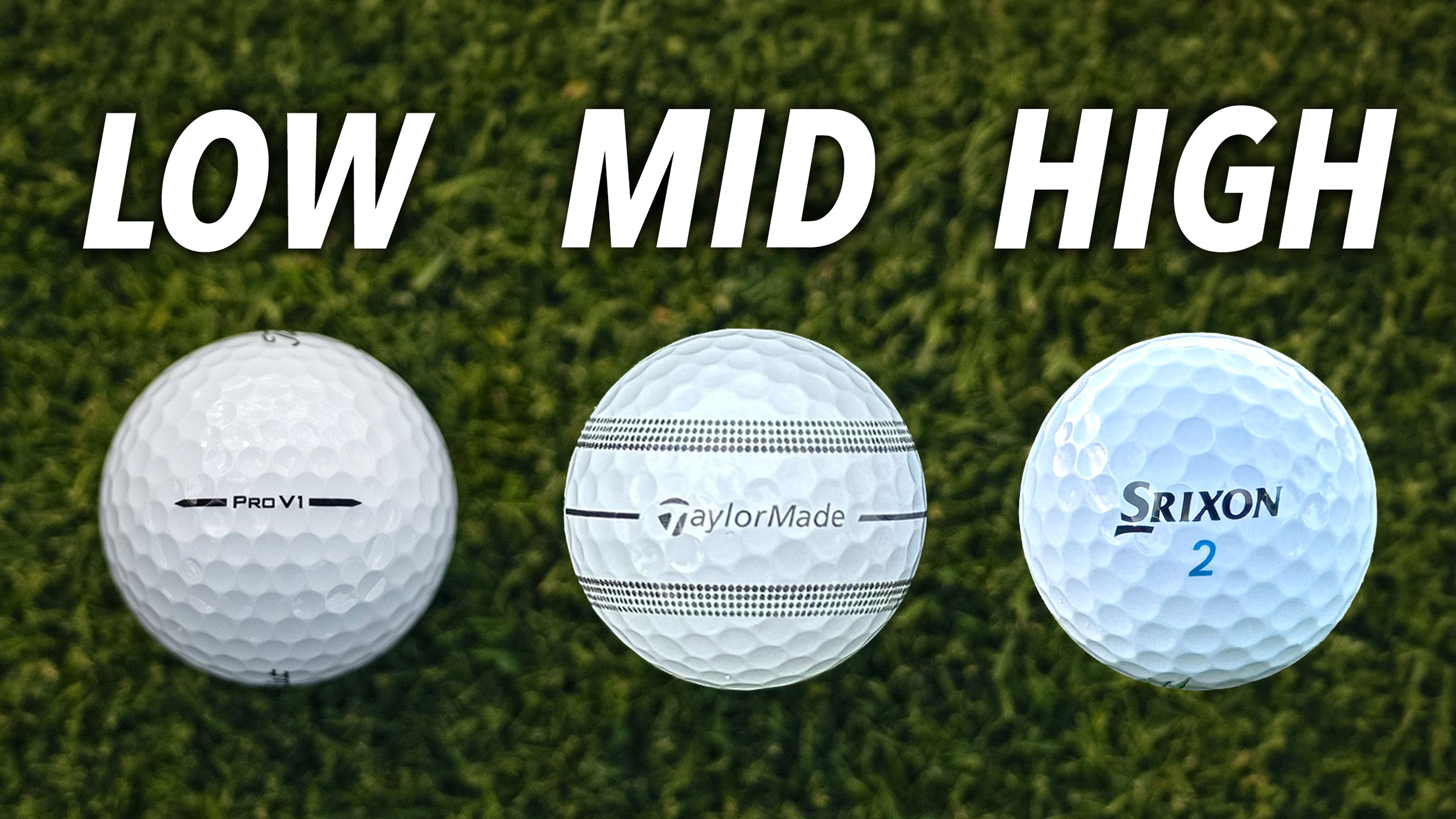 Are You Playing The Right Golf Ball? Our Experts List Their Preferred Options For Every Handicap Range
It's essential to play with a golf ball that's suitable for your game, so our team of gear gurus has put together a list of favourites in each category
2 Comments -
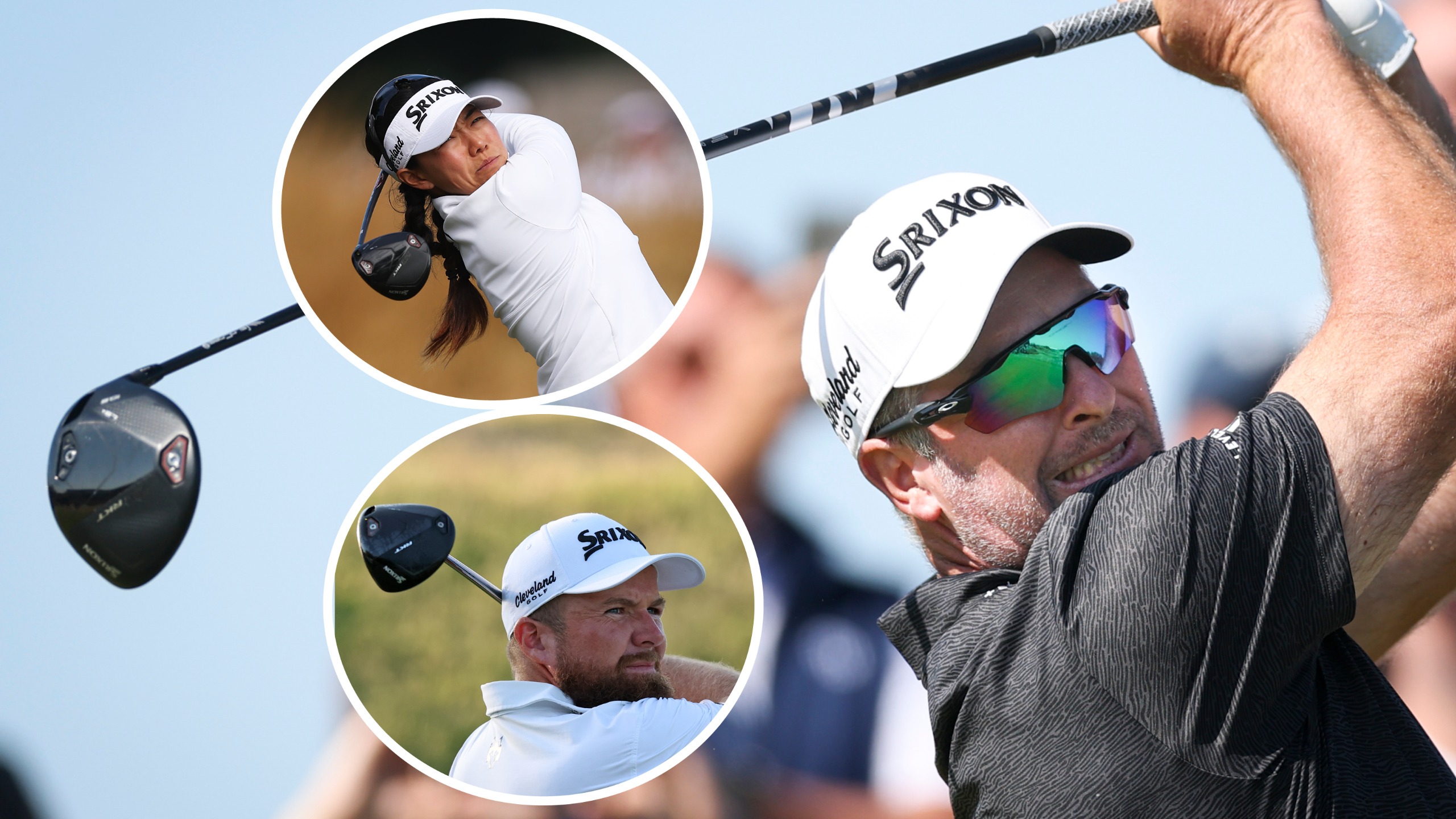 This Unreleased Driver Is Chalking Up Massive Tour Wins... But When Can You Get It?
Major champions like Ryan Fox and Shane Lowry are putting Srixon's unreleased driver straight into play - here’s when full specs drop and when you can get fitted…
-
 Golf Monthly Forum Debate: Should You Try Direct-to-Consumer Clubs?
The attractive prices mean they are growing in popularity but what are the drawbacks and are they right for your bag?
3 Comments -
 Irons Vs Hybrids Vs Fairway Woods Vs Wedges – How Many Of Each Should You Carry?
Are you struggling to work out how many of each type of club you should carry? There are basic principles to keep in mind


