






Peter Uihlein Short Game Lessons: Flop Shot

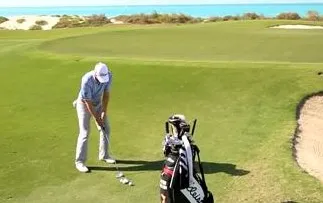
In this exclusive Peter Uihlein Short Game Lessons series, the American offers some simple, effective advice for how to play the flop shot
More Short Game Lessons from Peter Uihlein How to hit:
The 40-yard pitch Splash shot Chip and run Long splash shot
This is all about maintaining the right strike and right flight. One of things I focus on mainly is using the bounce of the wedge to hit a flop shot. A lot of amateurs in particular like to stick the wedge into the ground to get some height. That’s one way to do it but I don’t think it’s the most consistent way.
One of the ways to use the bounce of the wedge is to obviously have the proper setup. The best way to do that is to stand a little more open and a little wider at the base with your feet and then at address have your hands a little bit further back with the clubface open. This will activate the bounce on your wedge.
Within the swing itself, the key is to feel that it’s a cast in the downswing (that you are releasing the angle in your wrists earlier than usual). So the club head comes down a little bit first and then at impact you don’t want to take a divot after you cast it - it’s more of a bouncing motion at the ball. The gravity, the club and the force just helps the ball up into the air. Being able to commit to that shot is huge and it’s going to take some practice and some time because it’s a tricky shot; not a shot you master overnight and you definitely build confidence the more and more you do it.
Subscribe to the Golf Monthly newsletter to stay up to date with all the latest tour news, equipment news, reviews, head-to-heads and buyer’s guides from our team of experienced experts.
So at address set a little bit wider stance, aim a little bit further left, a little bit more of a bend in the knees, and then with the clubface open set your hands a bit further back to allow you to rotate the club going back. From there it’s a casting motion to bounce the wedge into the turf to help the ball get up into the air quicker. I have a wedge that doesn’t have a lot of bounce so it’s important for me to feel that the wedge is almost casted so I can use the bounce more effectively. I get my wedges grinded a little bit more on the back and on the front, which allows that less of a digging motion, which is something I like.

In July 2023, Neil became just the 9th editor in Golf Monthly's 112-year history. Originally working with the best coaches in the UK to produce instruction content, he went on to become a feature writer interviewing many of the biggest names in the game including Tiger Woods, Seve Ballesteros, Rory McIlroy and Arnold Palmer.
A 5-handicap golfer, Neil is a club member who takes a keen interest in the health of the game at grassroots level. You’ll often now find him writing about club-related issues such as WHS, membership retention and how best to bridge the gap between the range and the course.