






3 Tips For Better Iron Shots From The Rough (And What To Do In The Really Juicy Stuff)
Hitting iron shots from the rough can cause problems for amateurs, specifically with the quality of strike, but our Top 50 Coach has some great tips to help you

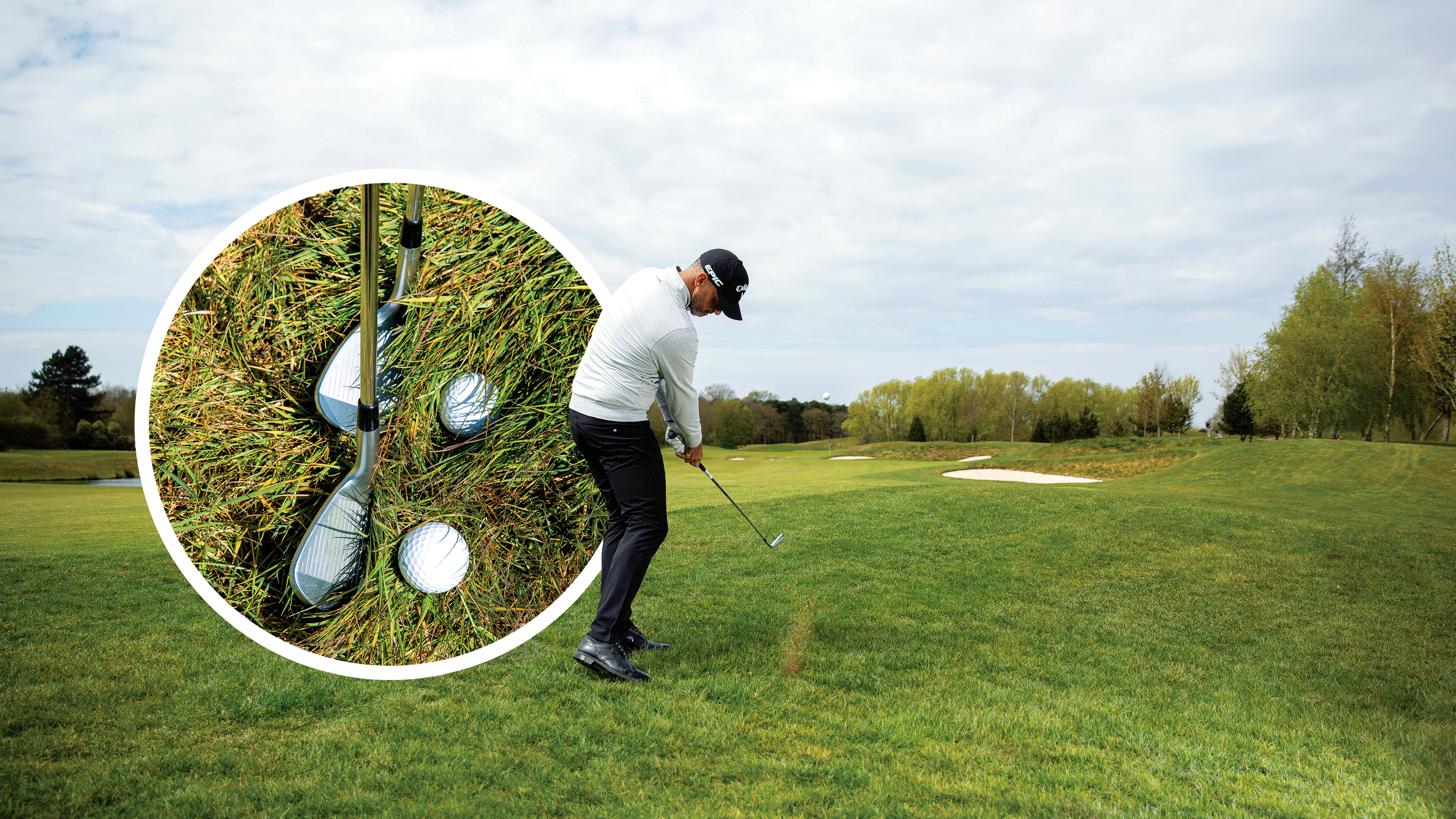
Hitting iron shots from the rough is something every golfer has to do, but so many trip themselves up by misguidedly assuming it's the same as a shot from the fairway.
Sometimes, despite all the best ball striking lessons talking about the importance of a centred strike with irons - we can get a bit brave and rush into a bad strategy.
When you are playing out of the rough, it's important to take a moment to assess the lie and commit to a realistic plan.
The play isn't always going to be attacking the flag. Being adaptive on the golf course could help you shoot lower scores and cut your handicap in 2026.
3 Pro Tips For Hitting Iron Shots From The Rough
Not even the best players in the world hit every fairway, so this is a skill you are going to have to get used to.
In fact, most amateurs will have plenty of rounds when they play more shots from the rough than the fairway.
It’s important to analyse your lie and make a few tweaks to your set-up to increase your chances of hitting good shots from the longer grass.
1. Steeper Angle Of Attack

A steeper angle of attack reduces the amount of grass between clubface and ball at impact
A steeper angle of attack will reduce the amount of grass between your clubface and the ball at impact. It’s easier to encourage this with your set-up, rather than actually trying to swing steeper.
Get your lead shoulder a touch lower at address and shift a bit more weight into your front foot. Also have a bit less forward shaft lean than for a normal iron shot to keep more loft through impact.
2. Grip It Firmer

Strap in and commit to the shot with a firmer grip
Having a good golf grip is important for better ball striking, but grip pressure is also important when hitting from the rough.
Focus on keeping your left shoulder low in the downswing to get that steep angle of attack.
Grip the club a bit tighter to resist the grass wrapping around the hosel, taking the speed out of your swing and turning the clubhead over.
Allow for the fact that gripping tighter will make your swing shorter and the ball won’t go as far out of thicker rough.
3. Make Sure You Get It Out
You've got to be realistic about how much loft you need to get the ball out – sometimes you have to take your medicine.
Do a few practice swings in similar rough relatively near to your ball (not behind it or in a position where you can affect its lie) to see how the clubhead reacts through the grass. If in any doubt, take more loft.

Don't be a hero - play strategically and pick the correct loft for the situation
What To Do In The Juicy Rough
The thicker the rough, the harder you’ll have to swing. If the green is out of reach, try and aim for a wide part of the fairway as it will be difficult to control distance.
