







Sponsored by

What Is A Photometric Launch Monitor And How Does It Work?
Ever wondered what the main differences between radar and camera-based launch monitors are? Read on...


The modern golf landscape has been entirely transformed by data. Players no longer have to guess why a drive sliced into the trees or why an iron shot fell short of the green; they can look at the numbers. At the heart of this data revolution are launch monitors, and among the most popular and precise are photometric launch monitors.
A photometric launch monitor is a camera-based system designed to capture the exact behavior of a golf ball - and often the golf club - at the precise moment of impact.

Photometric launch monitors like the Foresight Sports QuadMAX are powered by high speed cameras and infrared lighting systems
Unlike Doppler radar systems, which emit microwave signals to track the ball as it flies through the air, photometric systems rely on high-speed photography to measure what happens in the first few inches of the ball’s flight.
This technology has been championed to establishing it as the gold standard for simulation play while also providing a reliable option for professional club fitting and tour-level practice.
The Core Technology: High-Speed Photography
To understand how a photometric monitor works, you have to look at the hardware. Inside the casing of a camera-based monitor - such as the Foresight Sports GCQuad or GC3 - are multiple specialized, ultra-high-speed cameras paired with an infrared (IR) strobe lighting system.

Photometric launch monitors require minimal space. If you can make a swing, you have enough room
When a golfer places a ball in the designated hitting zone, the monitor’s sensors lock onto it. The moment the club strikes the ball, an acoustic trigger or motion sensor fires the infrared flash, and the cameras instantly capture a rapid succession of images. Because a golf ball leaves the clubface at speeds often exceeding 150 miles per hour, these cameras must take thousands of frames per second with incredibly fast shutter speeds to prevent motion blur.
The infrared flash is a crucial engineering feat. Because it operates outside the visible light spectrum, the intense strobe doesn't blind or distract the golfer, yet it floods the impact zone with the exact amount of light needed to expose the high-speed photographs perfectly.
The Analytics: From Pictures to Data

Photometric launch monitors allow you to capture incredibly accurate club and ball data
The true magic of a photometric launch monitor lies in what happens immediately after the pictures are taken. The system relies on advanced image-processing algorithms to analyze the captured frames of the ball traveling through a microscopic window of space - usually just the first 10 to 12 inches of flight.
By comparing the ball's position in the first image to its position in subsequent images, the system calculates a highly accurate, undisputed dataset.

Reflective stickers on the face of the golf club allow the cameras to track its position accurately throughout the swing
Ball Speed and Launch Angle:
The software measures the exact distance the ball traveled between frames. Knowing the precise time interval between photos allows the system to calculate the ball speed. The vertical and horizontal trajectory of the ball across those frames dictates the launch angle and launch direction.
Spin Rate and Spin Axis:
This is where photometric systems separate themselves from other technologies. The cameras are sharp enough to capture the individual dimples or logos on the golf ball. By tracking how those specific dimple patterns rotate from one frame to the next, the software calculates the exact backspin and side spin (spin axis) of the ball.
Club Delivery Data:
The most advanced photometric monitors also measure the golf club. By placing small, reflective fiducial stickers on the clubface, the cameras track the club's path, face angle, angle of attack, and dynamic loft leading right into impact.
Once these initial parameters are measured, the software runs them through a physics engine, factoring in environmental conditions like altitude and temperature, to accurately project the ball’s total flight path, carry distance, and roll.
The Indoor Advantage

Foresight Sports has model options to suit every budget
The primary reason golfers, commercial simulators, and club fitters choose photometric launch monitors is space and indoor reliability. Radar-based monitors need significant room behind the golfer to see the club and room in front of the ball to track its flight - often requiring 15 to 20 feet of total depth.
Because photometric monitors only need to see the ball at impact, they sit directly adjacent to the ball, looking across the target line. If you have enough room to physically swing a golf club, you have enough room to use a photometric launch monitor. Furthermore, because camera systems measure the exact spin of the ball rather than estimating it based on a limited indoor flight path, they are remarkably accurate in tight, enclosed spaces.
Consistent Performance: Indoors and Out

The consistency of data both indoors and outside is why so many of the worlds best players trust Foresight Sports products
While the indoor benefits of camera-based systems are well-documented, their performance on the outdoor practice tee is equally impressive.
Because photometric launch monitors measure the exact launch parameters during the initial inches of flight, they deliver the same accurate, reliable data outdoors as they do in a controlled simulator environment.
Tracking systems that rely on the full flight of the ball can be highly susceptible to external variables - such as heavy winds, rain, or temperature drops - which can skew the baseline numbers. Photometric technology isolates the ball and clubface at impact, allowing golfers to understand their true performance and swing mechanics without the elements influencing the data.
Whether you are hitting into a screen in your basement or warming up on a breezy tournament range, the numbers remain an absolute, uncompromised reflection of your strike.
The Catalyst for Modern Game Improvement

Foresight Sports' photometric launch monitors are trusted by many of the best players and coaches in the game
By capturing the undeniable photographic truth of the impact interval, photometric technology has fundamentally democratized golf analytics. This absolute precision is about more than just rendering a realistic simulator experience - it is the foundation of modern player development.
When fitters can see the exact clubhead delivery and spin axis down to the decimal point, they can prescribe equipment changes that instantly tighten dispersion and increase distance. When touring professionals can trust the data indoors just as much as they do on the range, their practice becomes exponentially more efficient, immune to weather and time of day.

Indoor simulator golf has seen a significant uptick in participation in recent years thanks to photometric launch monitors
It is true that doppler radar systems are able to track the ball for the majority of its flight, making them slightly better suited to outdoor use. But the algorithms used by photometric equivalents these days are so accurate that you rarely see much of a trade off when testing side by side.
With the emergence of photometric launch monitors, the modern golfer is no longer guessing. Driven by the ground-truth accuracy of photo-verified measurements, players at every level now have access to the exact biomechanics and physical feedback required to understand their swing, optimize their equipment, and ultimately shoot lower scores.

-
 Internet Invitational Winner Makes Bold PGA Tour Claim
Long driver Bobby Ray believes winning the Internet Invitational could one day be more coveted than a PGA Tour title
-
 Need Golf Attire For On And Off The Golf Course? I think Vuori Is Certainly A Brand Worth Trying After My Recent Testing
This is your perfect golf wardrobe when temperatures heat up. Why I think Vuori will be a game changer for women on the course


-
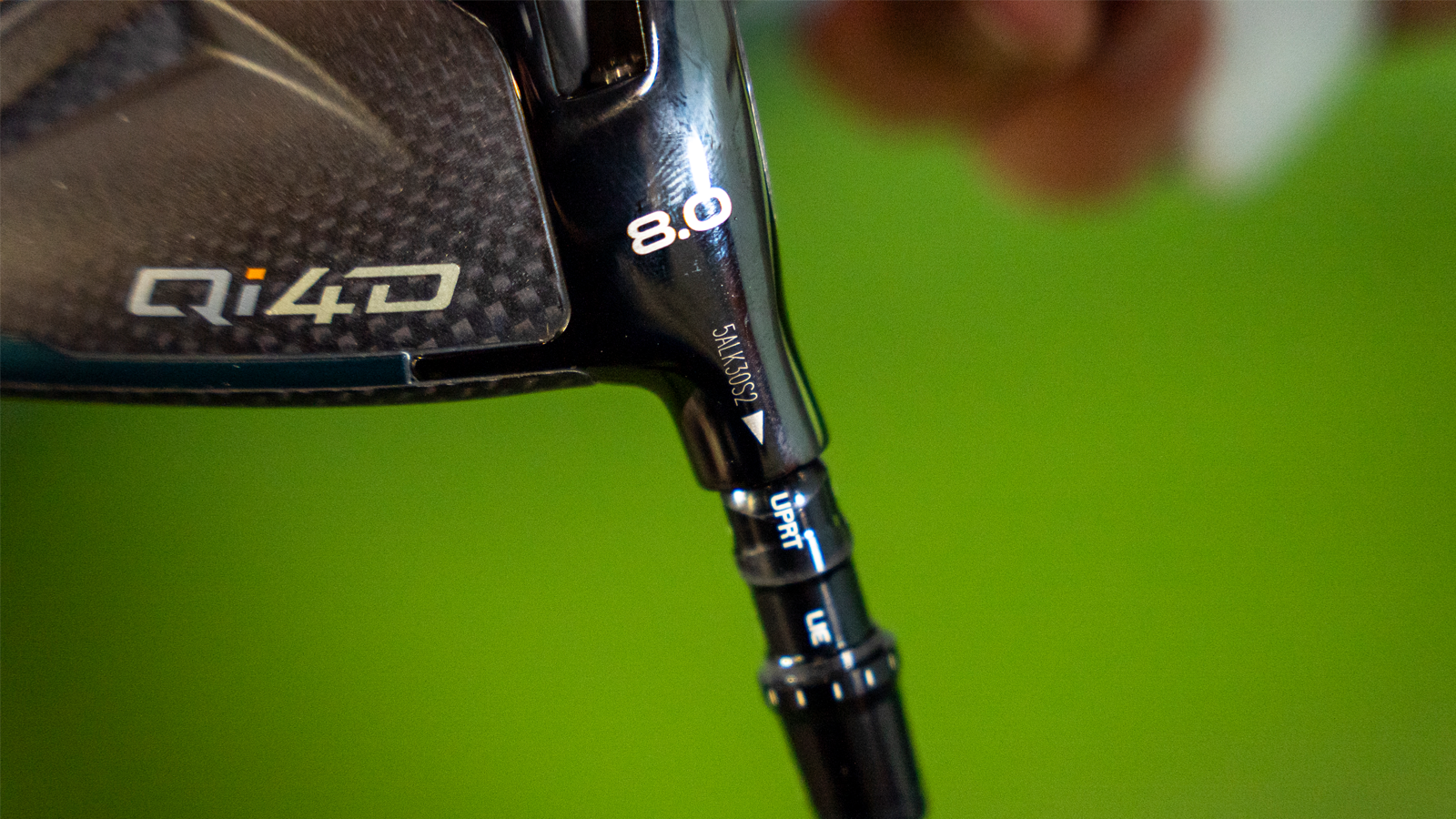 What Actually Happens When You Adjust Your Driver?
Ever wondered how much difference your adjustable hosel makes? Sam De’Ath heads to the Golf Monthly Performance Lab to analyse the data
-
 9 Hole Match: Can Newer Golf Clubs Close The Ability Gap?
We gave golfers of different handicaps a staggered budget to buy a set of clubs to see if the amount you pay can even up the scoring over nine holes
-
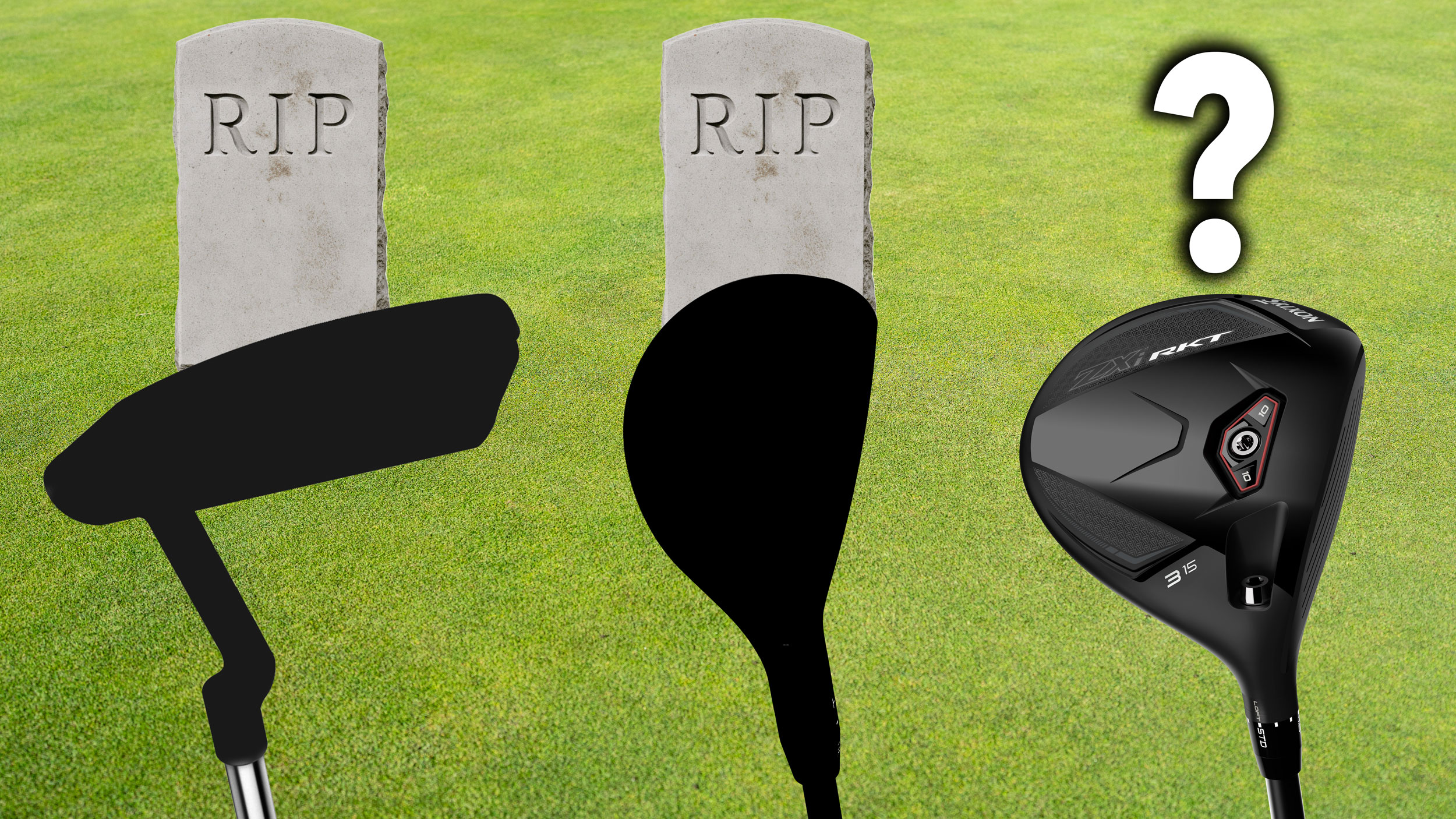 The Next Golf Club Extinction: Are The Days Of The 3-Wood Numbered?
We've seen it with hybrids and blade putters but is the trusty 3-wood now next in line for the chop?
15 Comments -
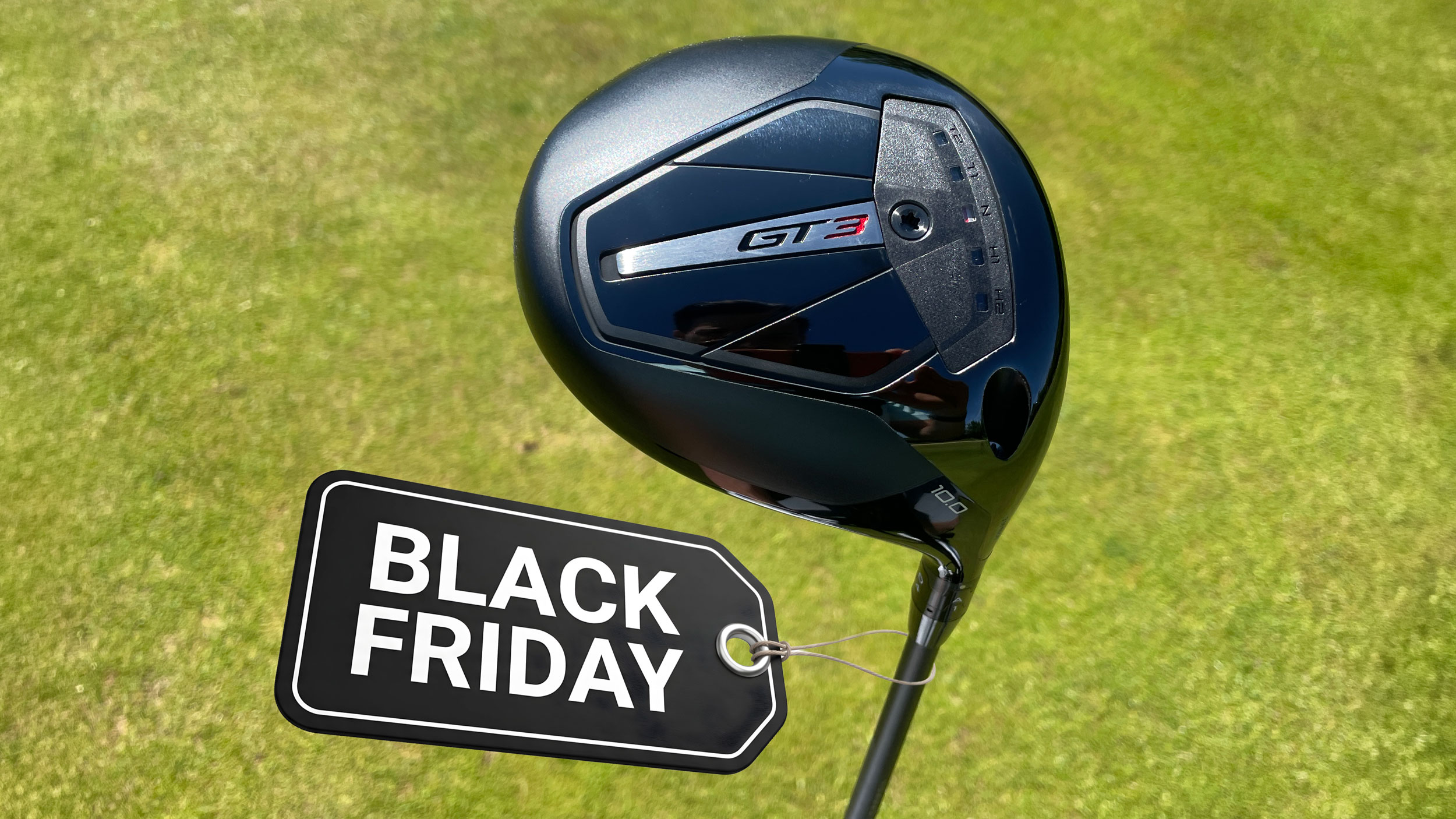 Is Black Friday Actually The Best Time To Buy A New Golf Club?
Black Friday sounds like a great time to treat yourself to new clubs, but is it necessarily the best? Well, it depends.
-
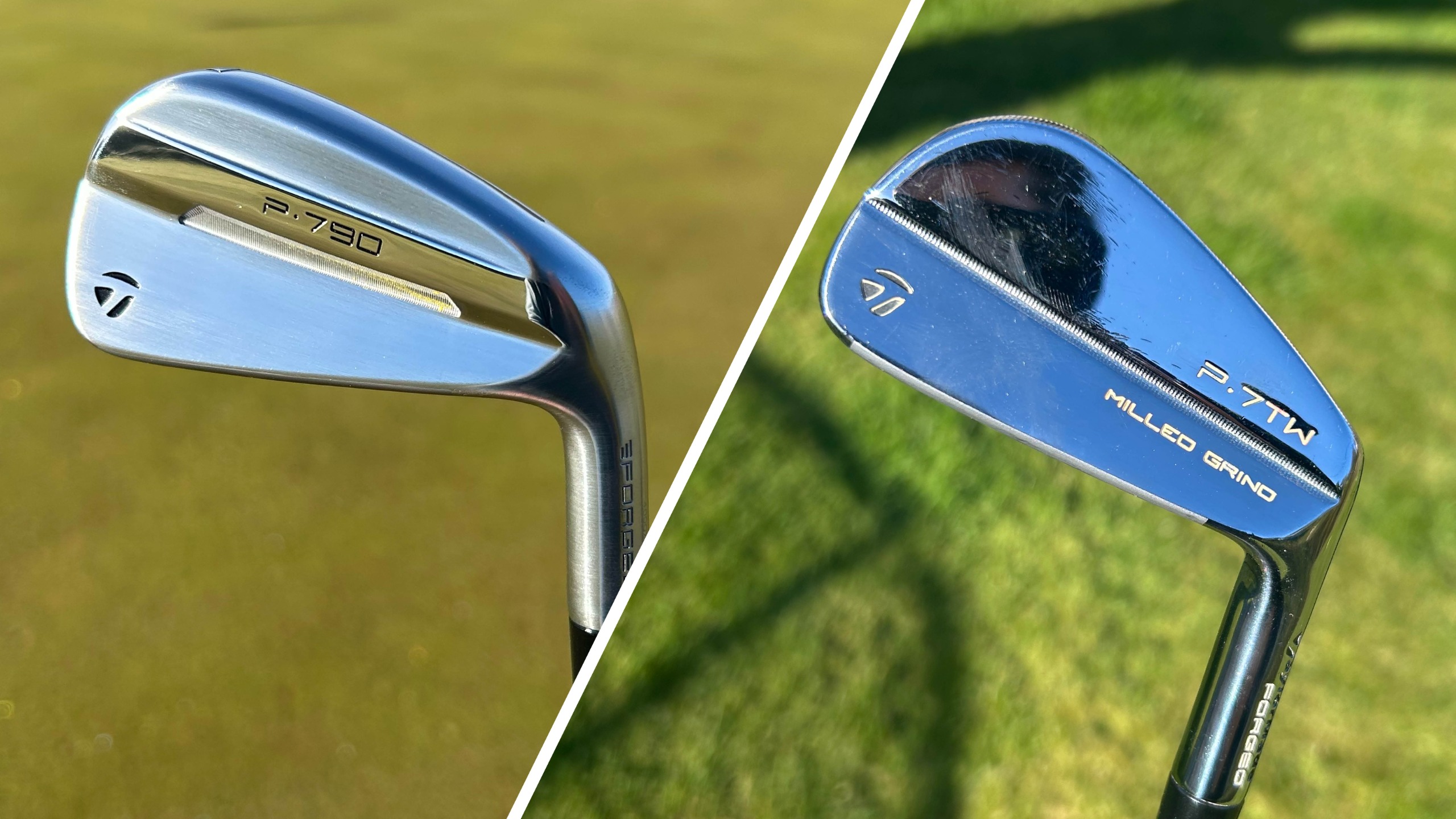 'If You Just Hit Clubs That Flatter All Your Mis-Hits, You Will Not Get Better' - Should More Golfers Play Blades?
Our hollow-body versus blade irons test reveals fascinating results. Here’s what our resident pro and club fitter has to say…
2 Comments -
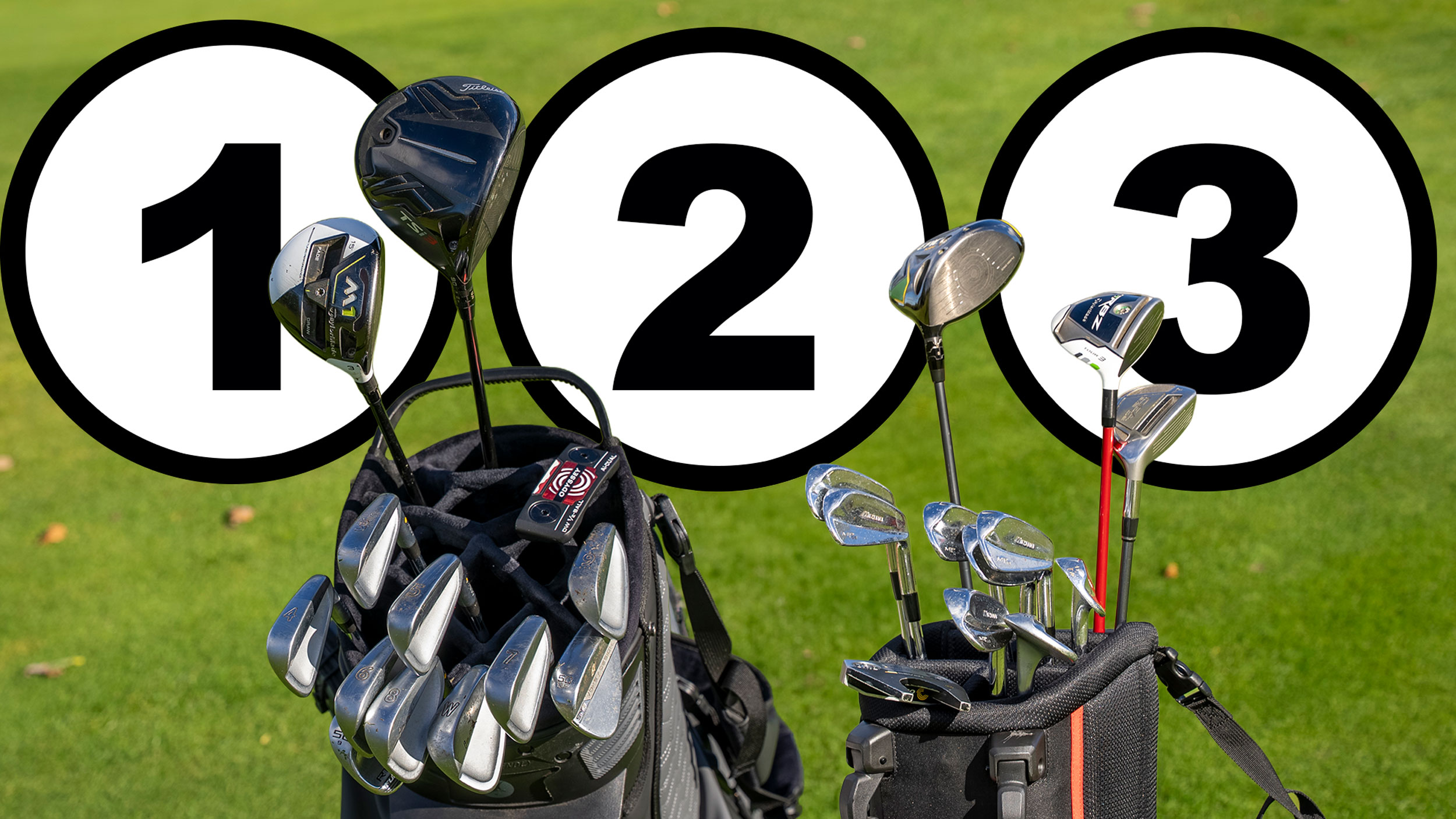 What Are The 3 Most Important Clubs In The Bag? (We Can't Agree On The No.3 Slot)
Even though we aren't supposed to, we all have our favourite clubs. But, putting allegiances aside, what are the three most important in the bag and why?
3 Comments -
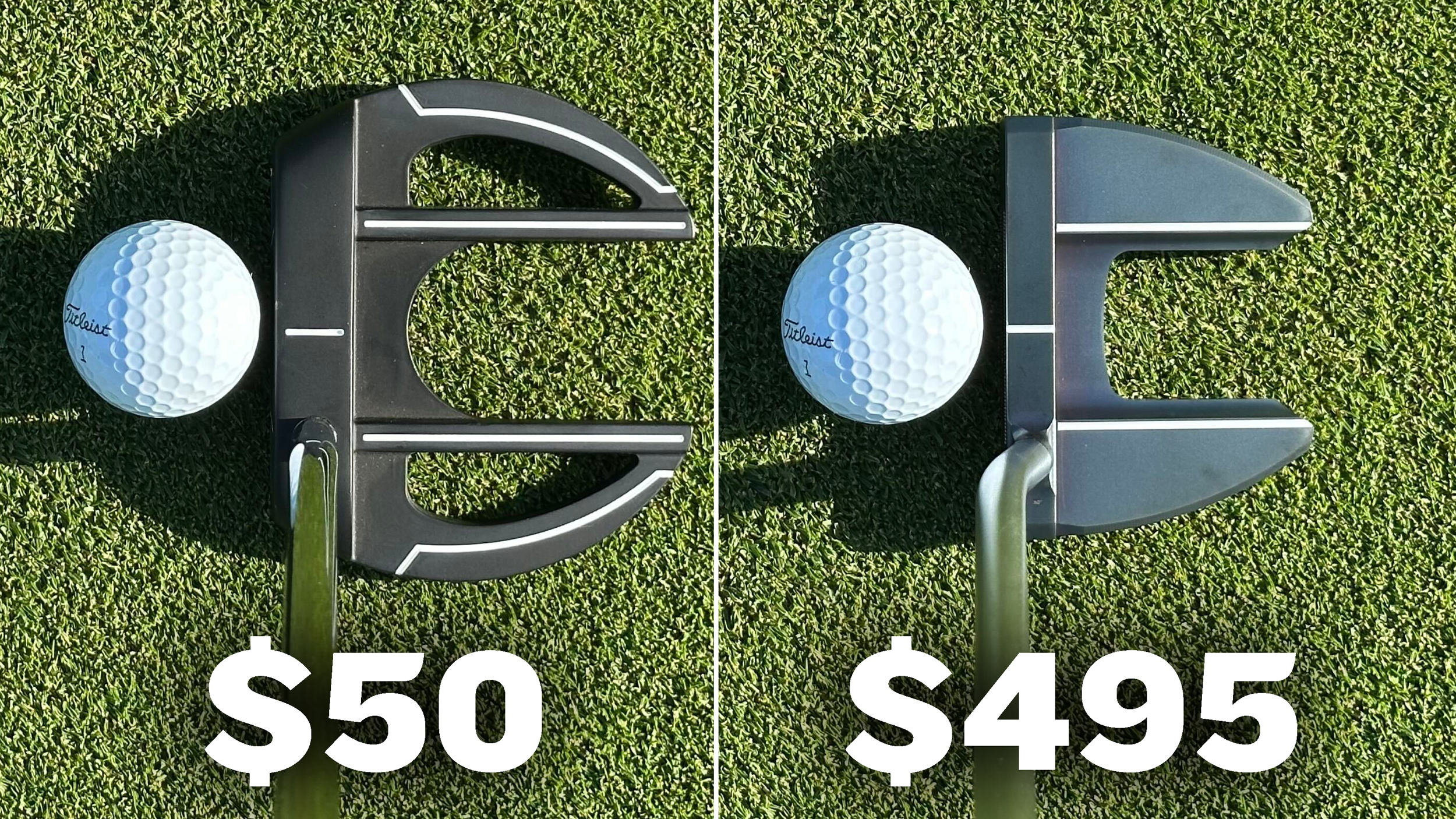 Cheap vs Expensive Putter Test: How Much Difference Does Price Really Make?
Can a $50 putter from Amazon compete with one of the most premium models on the market?
-
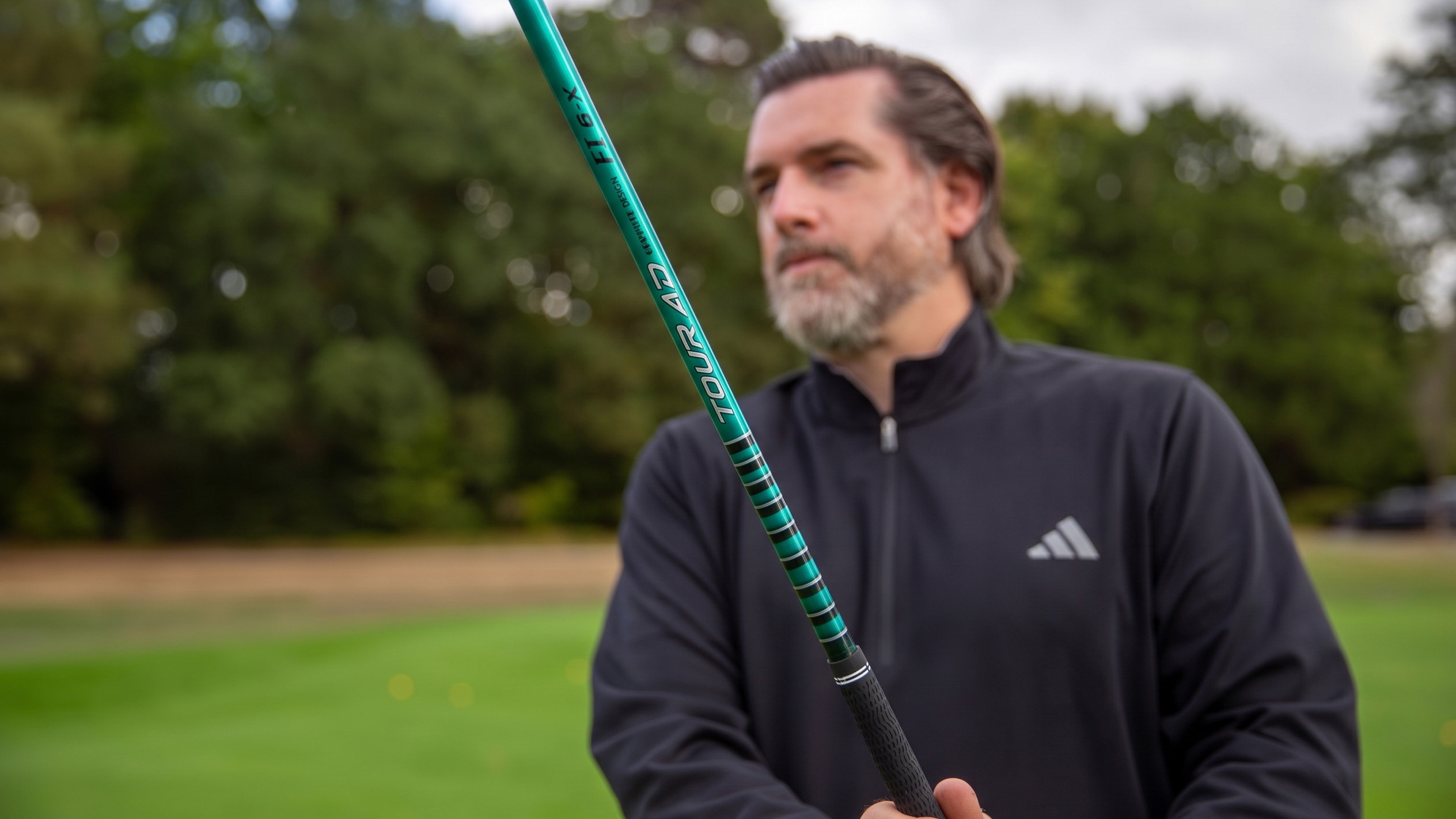 Is Shaft Tipping A Myth? Our Test Threw Up Some Interesting Results
The consensus suggests it leads to lower launch angles, reduced spin rates, and tighter shot dispersion - but is it all actually just nonsense?


