






Golf Is Growing But The Traditional Club Membership Model Will Need To Keep Changing... Here's Why
As the number of younger players picking up the game grows, Neil Tappin looks at whether the traditional membership model offers the right playing solution


The idea that traditional golf club membership is changing is nothing new. In my time at Golf Monthly, I can think back to many conversations and subsequent articles about the rise of casual, pay-to-play golf at the expense of the more traditional membership offering. Indeed, there are now plenty of examples of golf venues across the UK that are thriving by embracing a different approach. However, it seems to me as if the pace of change might be about to accelerate.
The post-Covid boom in golf brought a younger and more diverse generation of players into the sport. This has given rise to a sustained growth in the number of rounds being played. At the end of 2025, England Golf reported a 16% rise in the number of scores submitted via WHS versus the previous year.

For those of us with a vested interest in the health of the sport, this is great news. However, the proposition of club membership will need to evolve as the average age of golfers in the UK decreases. Different generations require different things from the sport and, as the financial strain of maintaining courses and running clubs continues amid a cost of living crisis that is also affecting the players themselves, I think it’s fair to assume most member clubs will need to respond with innovation. Devising a successful plan to embrace those younger golfers lies at the heart of sustaining the long-term health of golf clubs in the UK.
If you have any ideas about how traditional members clubs can continue to modernise, please leave a comment in the box below. I'd love to hear your thoughts to help inform future articles.
I was pleased recently to discover more and more clubs offering longer staggered membership plans for younger golfers. It is now not uncommon to find good clubs offering staggered pricing for full membership right through to the age of 40.
To my mind this is a vitally important development. Many parents see golf as a way of keeping their children away from their screens and so making the product affordable for the adult will further encourage the demographic shift. A golf club membership can become an essential part of the child's upbringing. Indeed, if clubs get this relationship right they will forge stronger connections with their members. An essential element for long term viability.
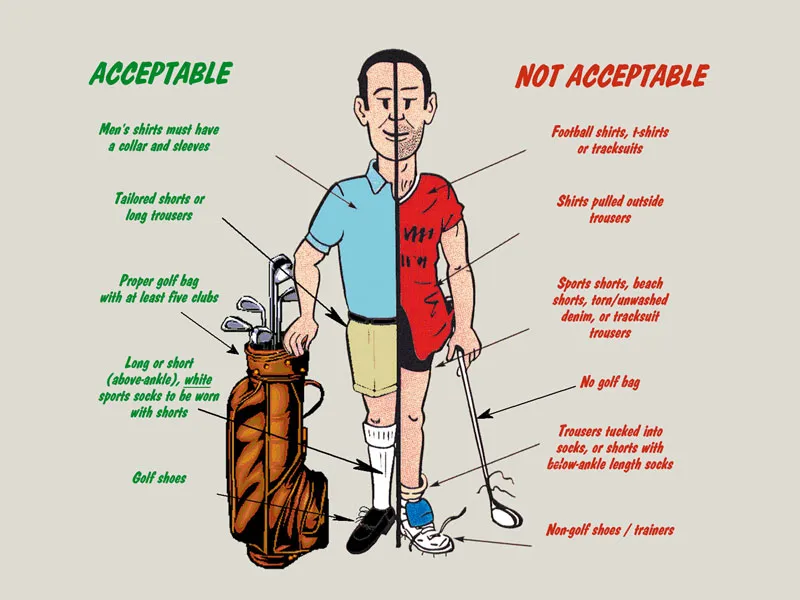
Of course, the financial strain of a club membership is an important part of the puzzle but it isn't the only thing. There are cultural factors at play here too that can either bolster or undermine the long term health of a club. One of those is dress codes.
Quite simply (and obviously), younger generations are less formal and their clothing choices reflect that. The negative impact of a more formal dress code is far more likely to be felt by younger players.
What's more, golf is becoming more fashionable than ever and the importance of this rise in cultural relevance for the sport shouldn't be under-estimated. However, how many traditional club dress codes contradict what is becoming fashionable on the course?
Likewise, in an age when more people have far less spare time, do we really want traditional dress codes stopping people from popping into the club for a drink as part of their day-to-day activities.
There is a lot of good work happening at clubs all over the UK to make them more welcoming and relevant for younger people. As clubs continue to think about their long term health (amidst rising costs), I'd expect the rate of change to accelerate.
In a forthcoming issue of Golf Monthly magazine, we will be taking a much closer look at the future of club membership in the UK. I’d love to hear perspectives on this from Golf Monthly readers, so if you have any thoughts or ideas you’d be willing to share, please leave a comment in the box below.
