






Sponsor Content Created With

Standard Vs Counterbalance Mallets: Which Ping Scottsdale TEC Putter Do You Need?
Given the two very different designs and accompanying feel, it can be hard to know which is right for your stroke. We explain what you need to know

Are you more suited to a standard or counterbalanced mallet? Well, a few factors will determine that, including your natural tempo, how handsy you are during the stroke, and how much feedback a player desires off the stroke. All of which we’ll be explaining below in more detail to help you to know exactly which type of putter is right for you.
TL;DR: Ping's Scottsdale TEC putter range offers both standard and counterbalanced mallets to suit different stroke characteristics. The standard 34-inch models provide a traditional feel, allowing the putter head to release naturally during the stroke for players who rely on natural tempo. The counterbalanced models feature a longer shaft and heavier grip to shift the balance point toward the hands. This setup minimizes unwanted hand and wrist action, helping golfers use their larger shoulder and arm muscles for a smoother, more stable stroke.
What exactly is a counterbalanced putter and what does it offer?
A counterbalanced putter features a longer shaft paired with a larger, heavier grip, which shifts more weight toward the hands and raises the club's overall balance point. That reduces the small hand and wrist movements that can creep into a stroke, letting the bigger, more stable muscles in the shoulders and arms take over instead.
A counterbalanced putter is designed to help players who suffer from shaky hands, late-stroke tension or inconsistent acceleration on fast greens.

What is the key technology behind the Ping Scottsdale TEC Ally Blue Onset and Ally Blue Onset CB putters?
Ping’s Ally Blue Onset and Ally Blue Onset CB are both 370g-head weight onset mallets designed for players with a straight stroke. Both putters feature the same aluminium-and-stainless-steel construction that positions mass low and to the perimeter to ensure extreme MOI and optimal CG for forgiveness and a consistent roll.
Both models also contain the brand’s PEBAX insert, which offers a soft, responsive feel via a lightweight, high-energy-return compound designed to provide improved distance control and consistency.
Where they differ is that the Ally Blue Onset putter is standard 34-inch length and features a conventional SuperStroke 2.0 pistol grip. By contrast, the Ally Blue Onset CB putter is 37.75 inches long with a 17-inch SuperStroke grip.
The Ally Blue Onset putter offers a more traditional head feel that allows the putter to release more naturally, while the counterbalanced version, thanks to the longer grip, allows players to grip lower down, leaving additional weight above the hands. This creates a steadier, more connected feeling that encourages the shoulders and larger muscles to control the stroke.

Should you play a standard or counterbalance putter?
The standard Onset offers more feel and freedom and is better suited to players who have a reliable, consistent tempo and face control. The CB model offers more overall stability and helps control hands and is better suited to players who become handsy or have a shake in their hands during the stroke.
What are the specifications of the Ally Blue H and Ally Blue H CB putters?
Designed for players with a slight-arc stroke, the Ally Blue H and Ally Blue H CB both feature a 370g mallet head, full-shaft offset, PEBAX insert and aluminium/stainless-steel construction.
While the Ally Blue H model is a standard 34-inch length with a SuperStroke 2.0 Pistol Tour grip, the Ally Blue H CB model is a mid-length 37.75-inch build with an extended 17-inch SuperStroke 1.0 grip.

Which putting stroke suits a standard and counterbalance putter?
The standard Ally Blue H putter suits a slight-arc player who already controls the face and tempo well and prefers a traditional, more responsive feel.
The Ally Blue H CB model is best suited for golfers with shaky hands or late-stroke tension who want to position their hands lower, leaving additional mass above them to make the entire putter feel steadier throughout the stroke.
What to look out for when making a decision on a putter
Now it’s time for some self-diagnosis. If you’re a player who has steady hands on the greens, works best with standard-length shafts, balance and head feel with a reliable tempo and face control, then the standard version of Ping’s Scottsdale TEC putters are likely a match.

However, if you often find yourself suffering from unwanted wrist and hand action and want extra stability and a smoother motion on the greens, then Ping’s counterbalanced offerings will likely be best for you.
One final factor in the decision process will be your stroke pattern. Thanks to Ping’s WebFit tool, this is done in minutes by answering a quick questionnaire, which will make sure you find the correct Scottsdale TEC putter for your specific arc on the greens.
So after identifying your real miss patterns, your individual characteristics, and stroke arc, getting the right Ping Scottsdale TEC putter in your hands will almost certainly allow you to feel more comfortable on the greens and, most importantly, help you drain more putts during your round.
-
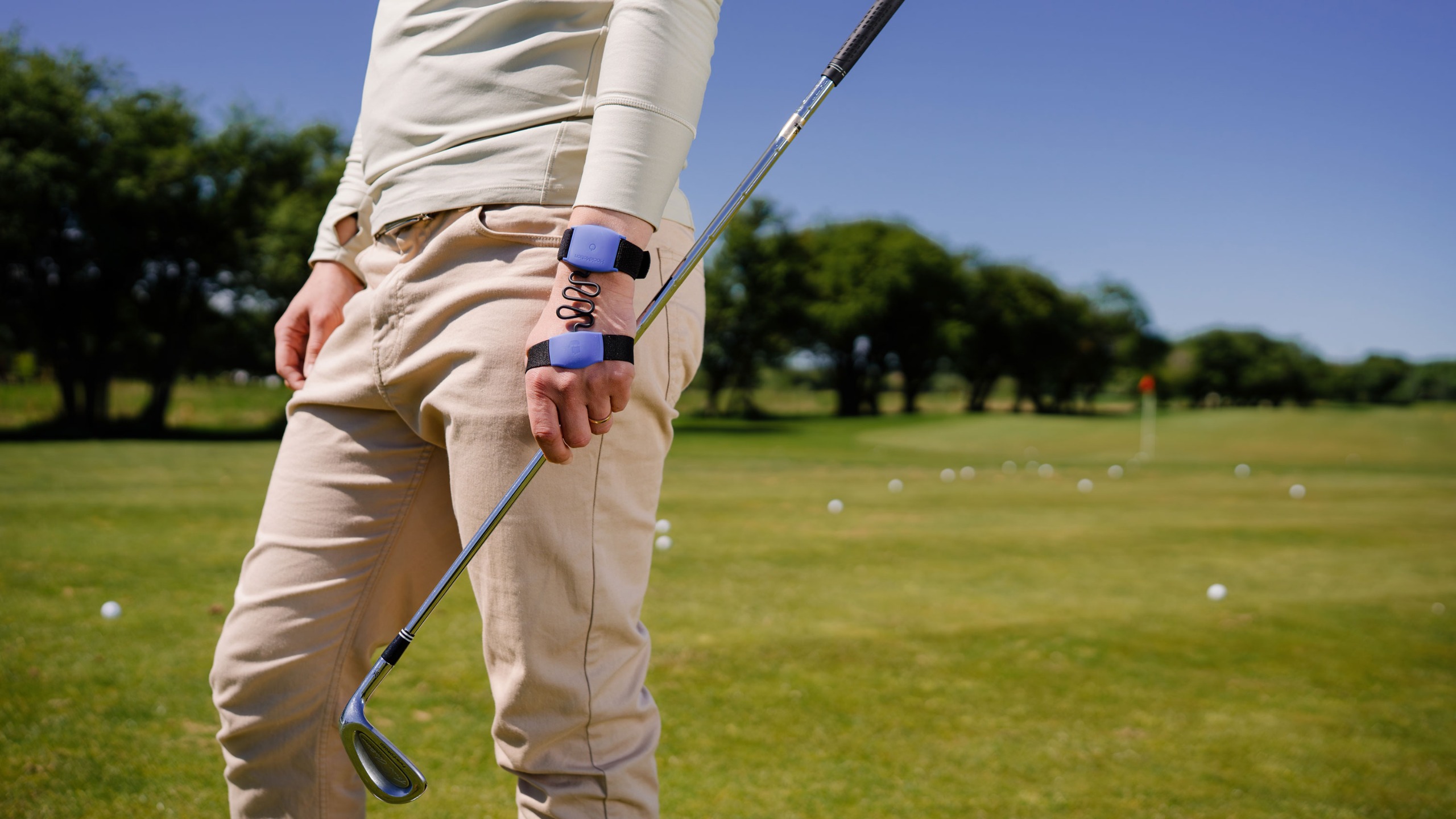 A Golf Swing Trainer Delivering A Useful Lesson – HackMotion Could Change Your Game
HackMotion works as a coach, combining swing analysis, guided drills and instant feedback to structure your practice.
-
 7 Unwritten Women’s Golf Rules That Need To Disappear
Why outdated traditions and poor pathways are driving beginners away, and how forward-thinking golf clubs can build retention


-
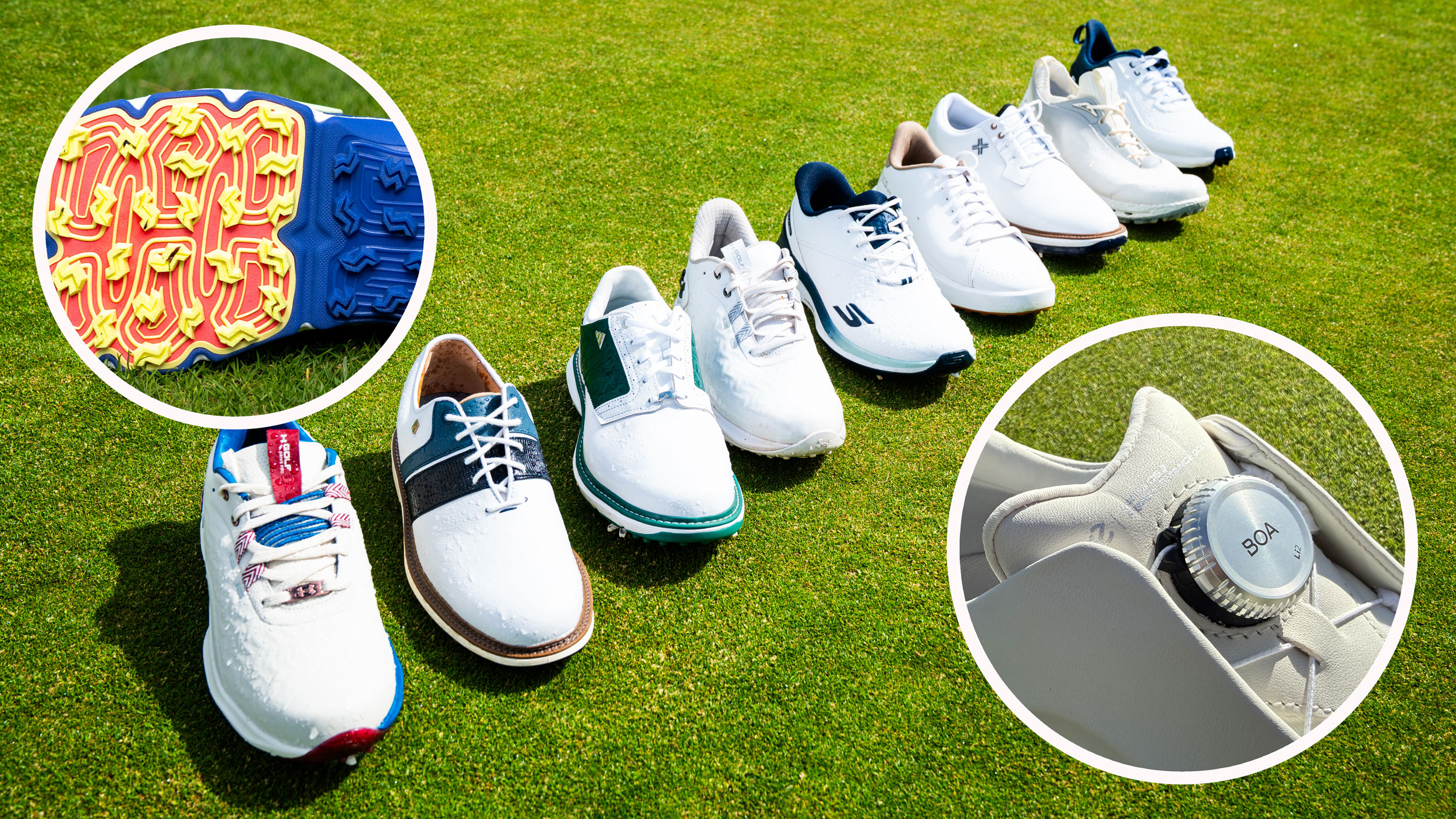 Spiked, Spikeless And Slip-Ins: The Pros And Cons Of Every Type Of Golf Shoe
With such a wide range of options, we highlight the pluses and minuses of the various shoe styles on the market
-
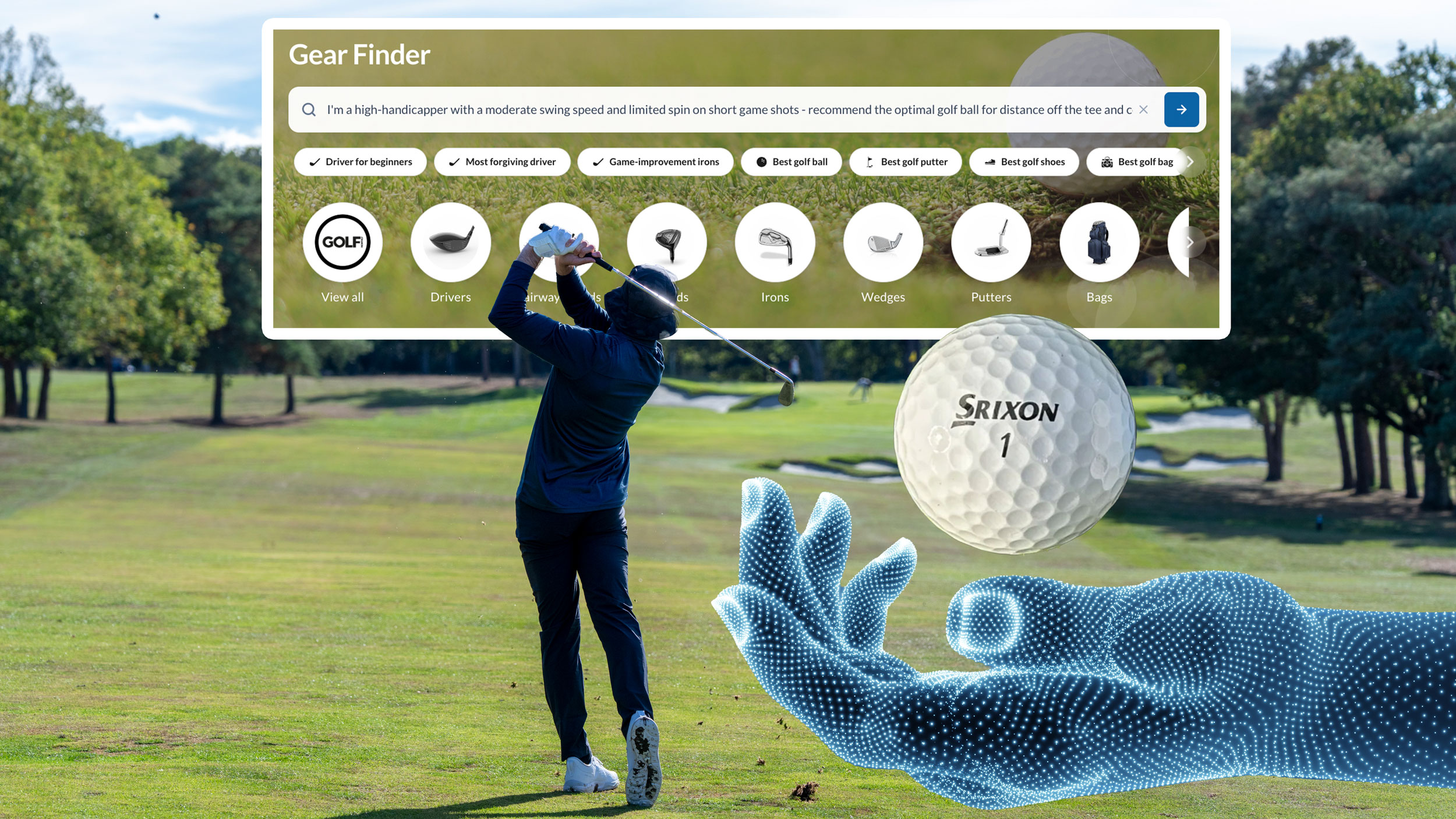 I Asked Our New AI Gear Finder To Recommend My Optimal Golf Ball (And Shot My Best Round In Months)
I've always been a 'play whatever you can get' kind of guy, but when our new product finder recommended my optimal golf ball I had to give it a try...
-
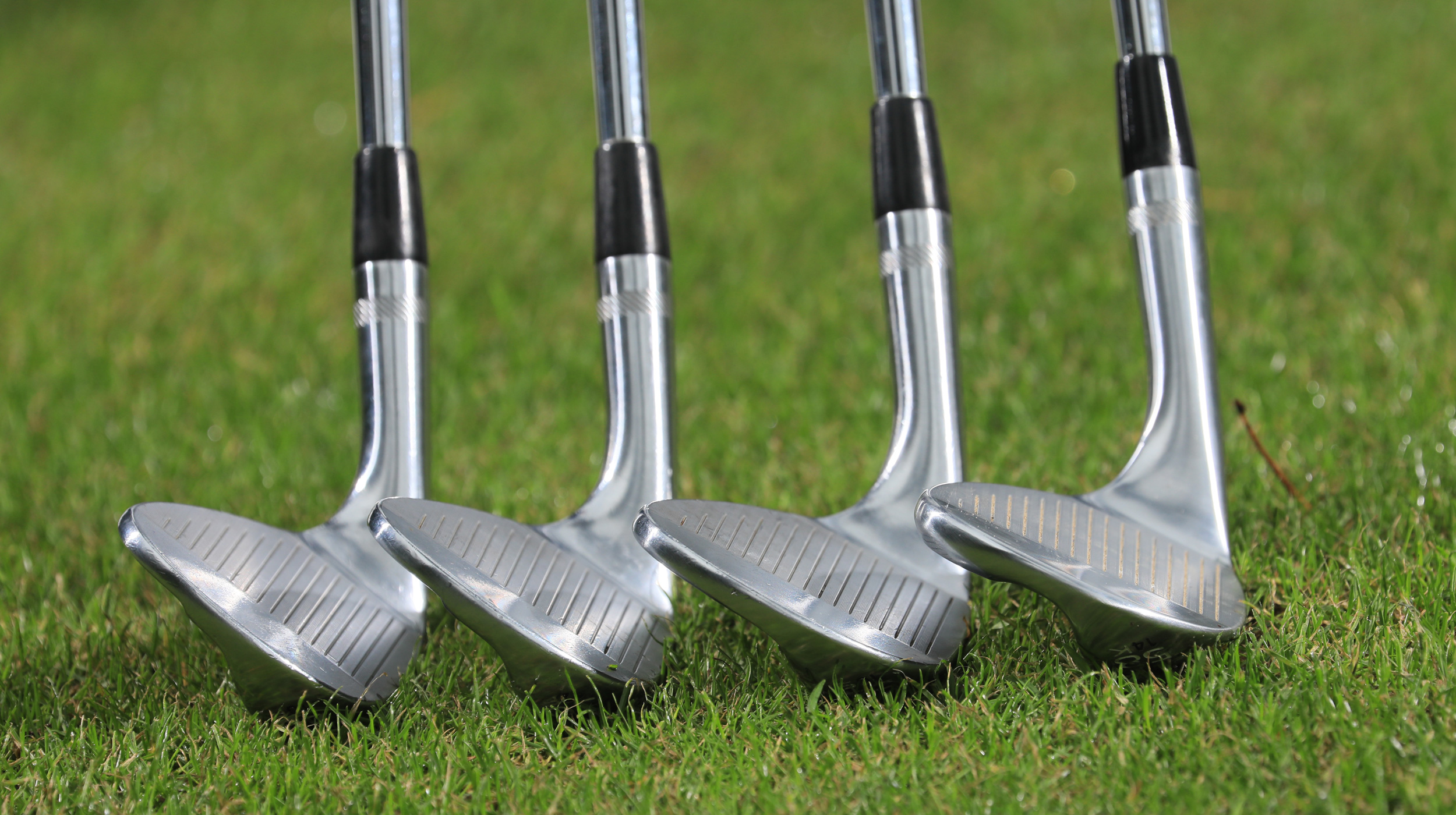 The Best Wedges For Every Type Of Playing Surface
Some wedges will perform better in certain situations than others. Do you have the right ones?
-
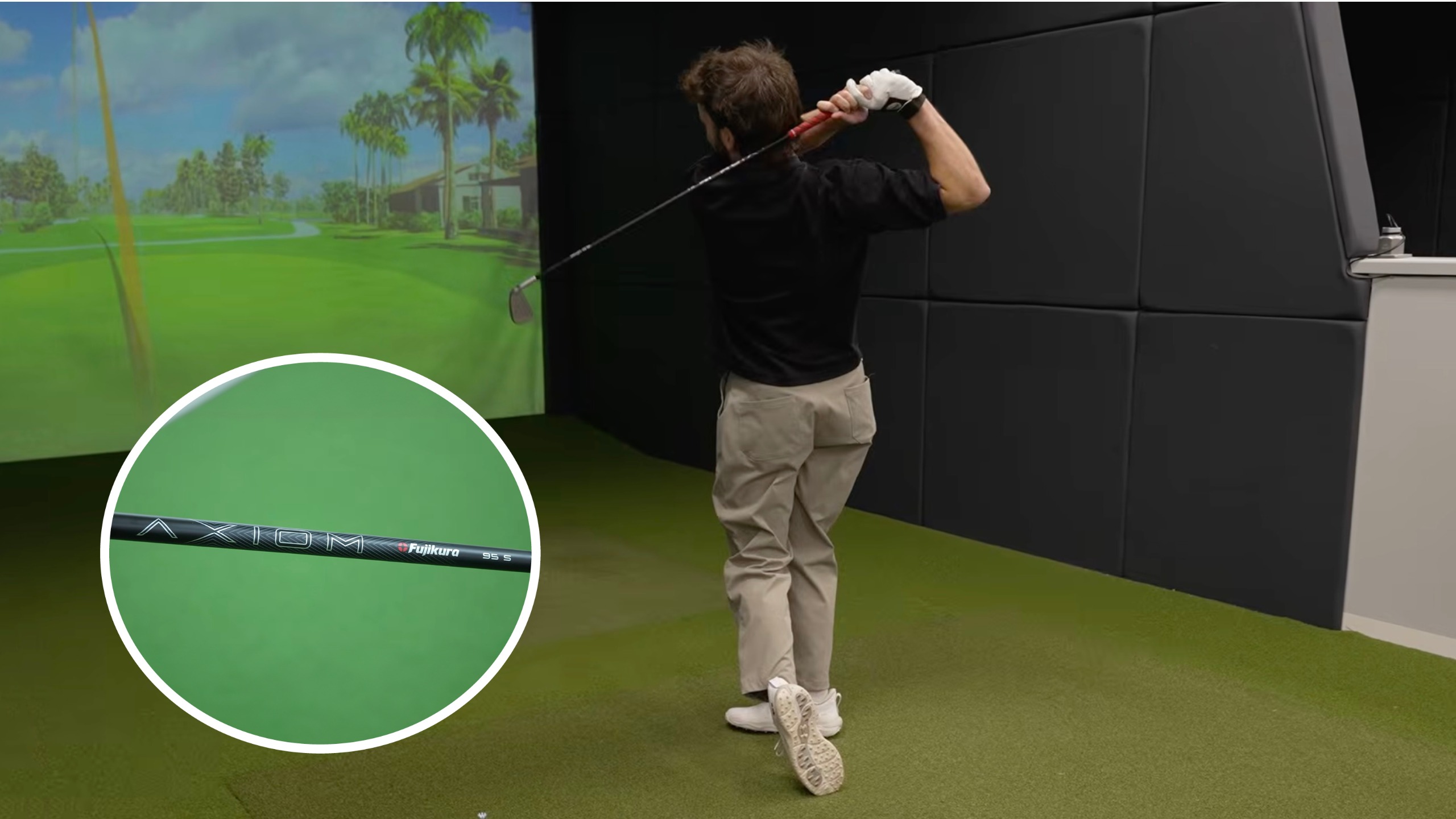 Are Your Iron Shafts Too Heavy? The Small Gear Change That Saved This 8 -Handicapper's Game
In my experience, up to 70% of golfers play iron shafts that are too heavy - here is how one simple gear change completely transformed a hapless 8-handicapper's game...
-
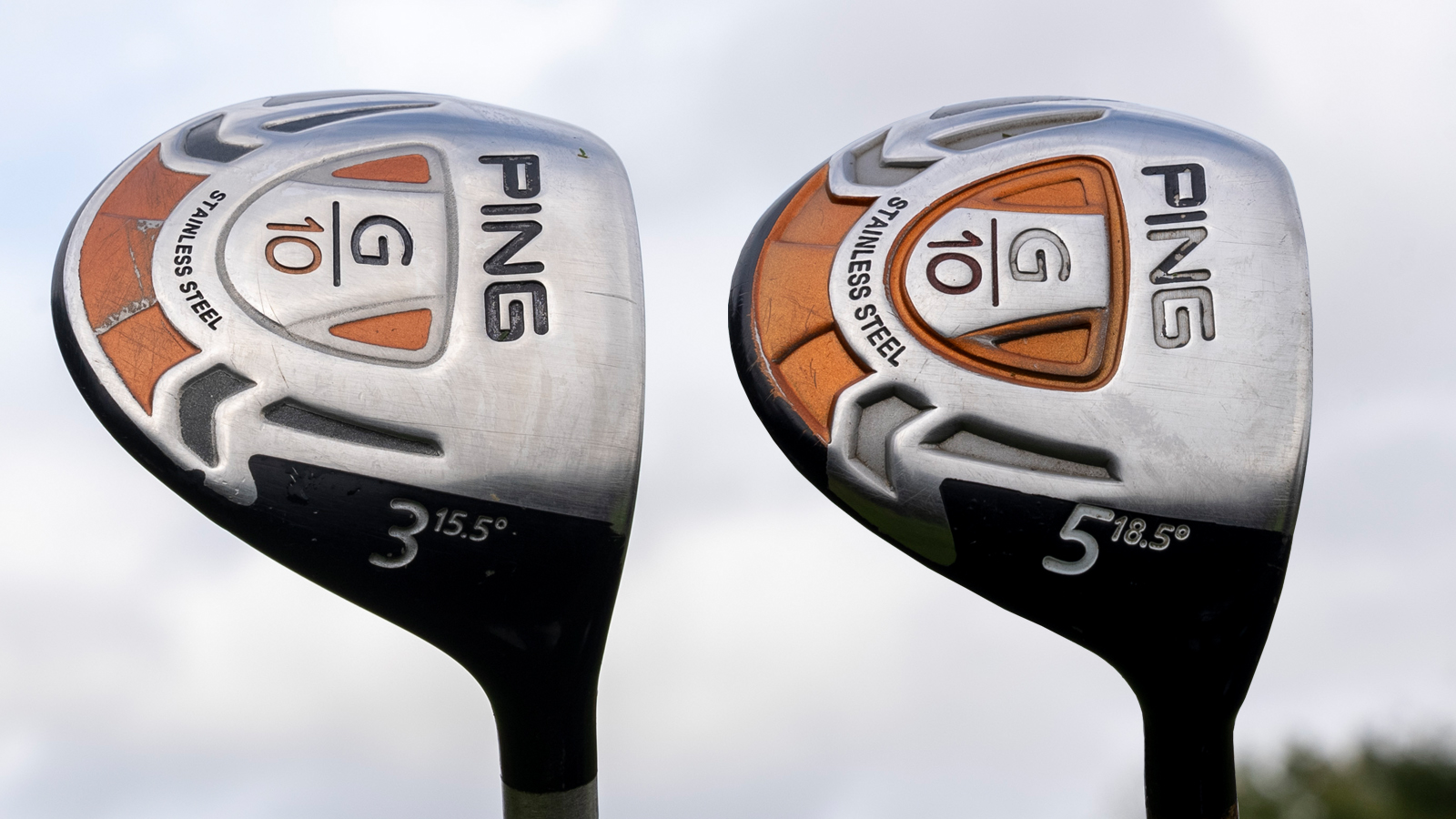 Counterfeit Golf Equipment Is Everywhere. How Do You Spot Fake Gear?
There’s an increasing amount of fake golf equipment in circulation. How do you spot the counterfeits to avoid being scammed?
-
 Don't Let Mobility Slow Your Swing: Meet the AI Exoskeleton Built for Golf
The aches and pains some golfers experience walking 18 holes of golf may be a thing of the past courtesy of Hypershell's leading exoskeletons.
-
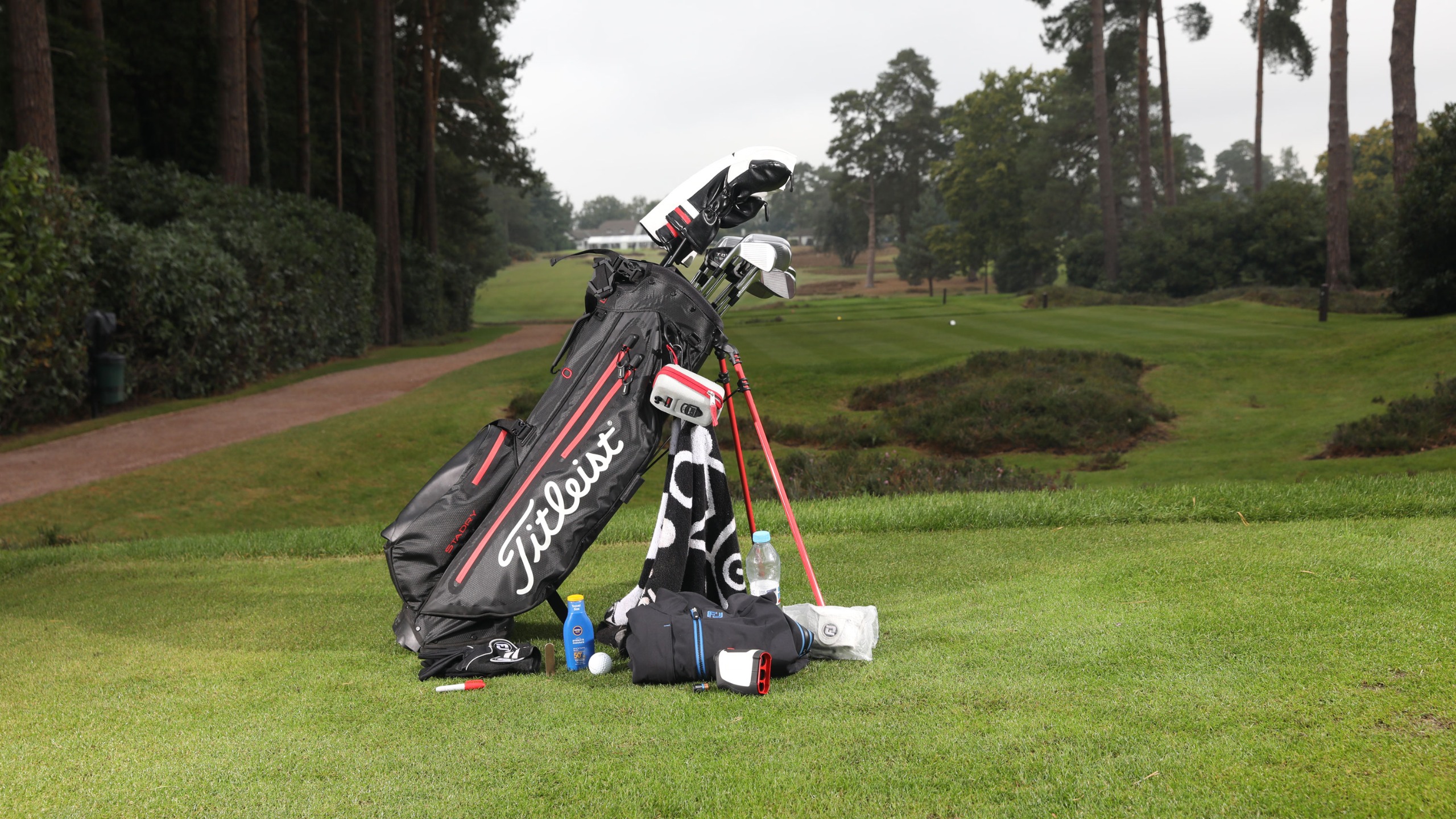 Every Item All Golfers Need In Their Bag (And Some They Don’t!)
What do you really need when you head out for a round of golf? We give you a list of the essentials… and some things you could do without
5 Comments -
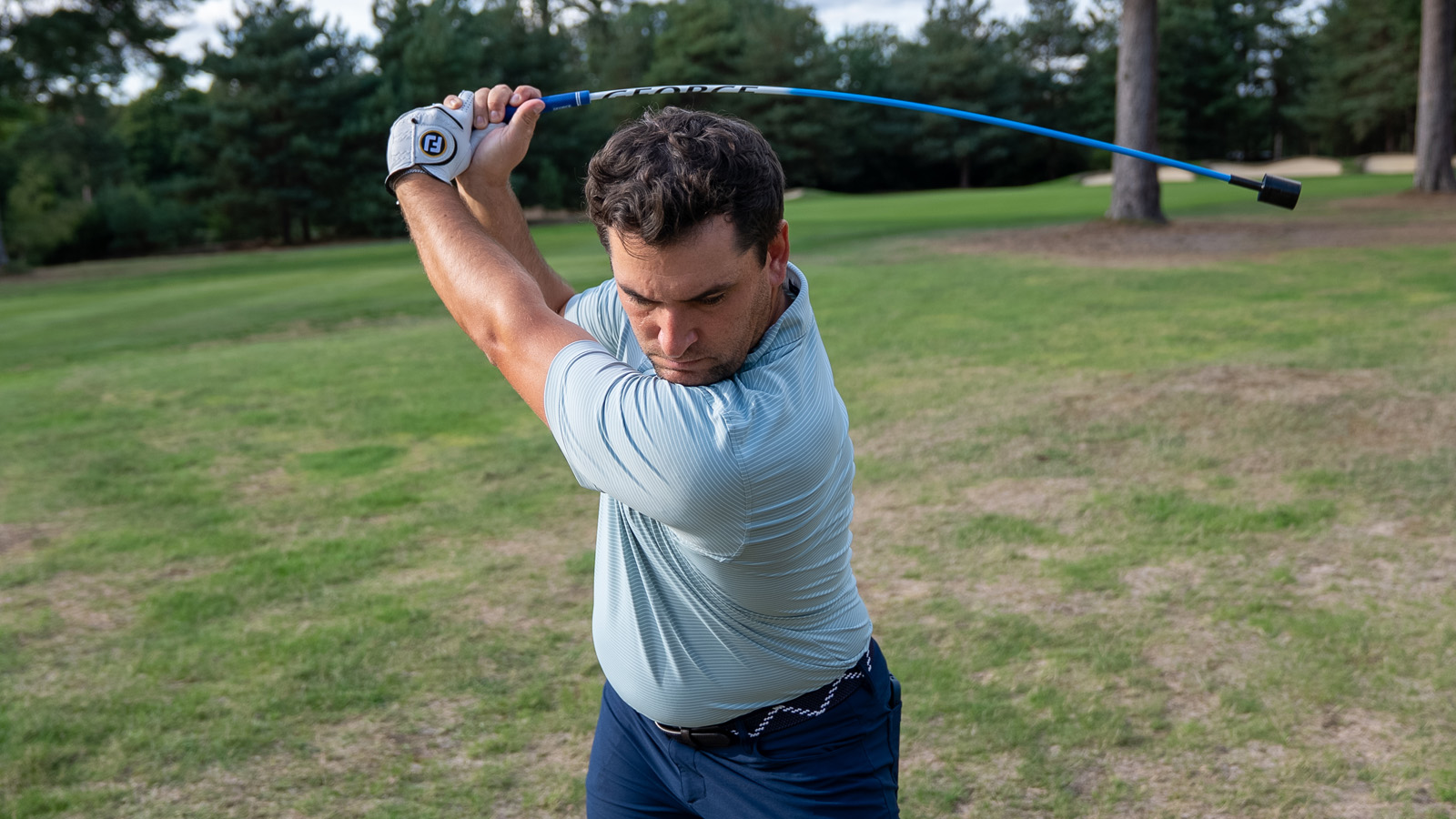 If You’re After Effortless Clubhead Speed This Training Aid Could Be Your Answer
Have you been training for speed all wrong? The GForce speed trainer teaches how resistance could be the missing link to longer, straighter drives


