
Golf is an notoriously difficult game. We spend hours on the range chasing the perfect technique, yet we often forget that every golfer is an individual. We all have unique swing paths, distinct delivery styles, and different physical backgrounds that shape how we move the club.
Because no two swings are identical, off-the-shelf clubs are often an unnecessary compromise. You shouldn’t have to fight your equipment to find your rhythm, nor should you have to manipulate your natural movement just to make a standard set work.
If you’re struggling with a persistent miss to the left or right, or failing to find a consistent strike, the question remains: is it your swing, or is it a mismatch in your gear?
We put the most common on-course frustrations to Tom Johnson, a Master Fitter at PXG, to find out how the brand uses equipment fixes to help golfers with their faults.
I Have A Massive Miss - Why Do I Slice Or Hook The Ball?
“A slice or a hook is essentially a deviation in the relationship between your clubface and your swing path. Usually, the face is either too open or too closed relative to the path you are swinging on. One thing we do particularly well as a manufacturer is manipulate swing weight.
“A lighter swing weight, meaning a lighter head or a lighter overall club, often allows a golfer to square the face up much easier at impact. For someone who slices, that lighter feel can be the key to closing the face.
“On the flip side, a heavier swing weight or a heavier club can help stop a hook by slowing down the hands. If you hook it, we put mass in the toe to hold it open.
"We can even use different shaft flexes. A softer tip section helps the slicer close the face, while a firmer, sturdier tip prevents it from turning over.”

Across the range, PXG can manipulate the swing weight
I’m Struggling With My Strike - Why Am I Hitting It Fat Or Thin?
“Fats and thins are all about your low point. If you have a deficiency with your strike, the first thing we look at is changing the weight of the club to see what allows you to deliver it more consistently.
“A huge factor here is Dynamic Lie Angle, how the club interacts with the ground. If the club is catching heel-first or toe-first, you’re going to hit it heavy. We look at how we can adjust the lie angle to give you a better contact.
“Length is also a factor. If a club is too long, you might bottom out earlier and hit it heavy. We also consider your sporting background. If you are a former tennis, cricket, or squash player, you are used to the mass being closer to your body because those rackets and bats are shorter. For these players, more mass in the handle is often the secret to consistency.
We are the only manufacturer that can actually make the head lighter or heavier with external weights to perfectly balance that feel for the individual.”

With PXG GEN8 Irons, fitters can adjust heel and toe weighting without altering lie angle
I Struggle To Get The Ball Airborne - How Can I Get More Height?
“To get the ball in the air, loft is your absolute best friend. If we gave you a pitching wedge and a 4-iron, you’d hit the wedge higher every time because of the physical loft on the face. If you struggle with height, we need to give you a setup that you can move faster, as speed translates into loft.
“You look at the best players in the world, they hit the ball incredibly high because they have that combination of speed and loft. If it's good enough for them, it's good enough for us.
"At PXG, we can use our adjustable hosel settings to increase loft, which naturally helps get the ball up while also closing the face slightly to help those who struggle with a rightward miss.
"The Lightning Max 10K+ driver is perfect if you find yourself struggling to get enough height off the tee. It's exceptionally forgiving because it uses extreme weight distribution to keep the club steady at impact. Less twisting means less lost of speed and therefore greater height and consistency."

PXG Lightning Max 10K+ driver
I Lack Clubhead Speed - Is A Lighter Shaft Always Better?
“Flex is a difficult one because a regular flex in one brand of shaft may not be a regular in another. If you’re unsure about shaft flex, you have to get fit.
"Regarding speed, a lighter shaft isn't always the answer. For some, a shaft that is too light leads to an inconsistent low point because they lose the timing of the club.
“We often see golfers who time a slightly heavier shaft much better. In fact, you can now get very strong, stable shafts that are still relatively light thanks to improvements in graphite engineering.
"For certain players, putting them in a heavier shaft, perhaps 20 grams heavier, but with a lighter head, actually allows them to find a more consistent rhythm. It's about where that weight is positioned to help you generate the most speed without losing the middle of the face.”

PXG uses shafts from a variety of manufacturers
I’m Chunking Or Thinning My Wedges - Is That My Technique?
“The first port of call with wedges is asking: where do you play your golf? If you play on firm, fast links turf, you can't go into the ground as easily, so the tendency is to thin it. If you play parkland golf where it gets soft or boggy, you’re more likely to hit it fat.
“More bounce is vital on softer terrain or for golfers who hit it heavy, as it prevents the club from digging. Less bounce is better for firmer turf.
"While you can't change the loft of a wedge once it's made, we can correct your results by looking at the lie angle, the weight of the head, and the shaft. If you chunk your wedges, we might move you into a heavier shaft with a lighter head and more bounce to help the club glide rather than dig.”

With a Tour-inspired look, PXG Stick 'Em forged wedgesare designed to deliver higher spin, consistent launch, and exceptional feel across all playing conditions
I Keep Missing Putts To One Side - Can A Putter Really Fix That?
“If you tend to miss to one side, we look at your stroke. In our traditional Battle Ready II range, we can interchange hosels to offer toe hang, face balance, or mid-balance depending on whether you tend to leave the face open or closed.
“However, we’re also very passionate about the world of Zero Torque. It transforms the game for anyone with a persistent miss.
"Zero Torque technology takes the twist out of the equation, it’s a square-to-square stroke where the face simply doesn't move. It takes away the left and right misses and allows the putter to stay on track. If you have a miss you can’t shake, our advice is to try a Zero Torque setup.”
-
 3 Reasons I Love Being A High-Handicapper (Even Though I'd Rather Not Be)
I've been slowly cutting my handicap over the past 18 months, while still retaining my high-handicapper status. It's frustrating, but it's not all bad...
-
 Matt Fitzpatrick Not 'Comfortable' Going To Middle East For DP World Tour Play-Offs
The Englishman says he is not keen on travelling to the Middle East and admits frustration over whether the DP World Tour season-finale will go ahead as planned


-
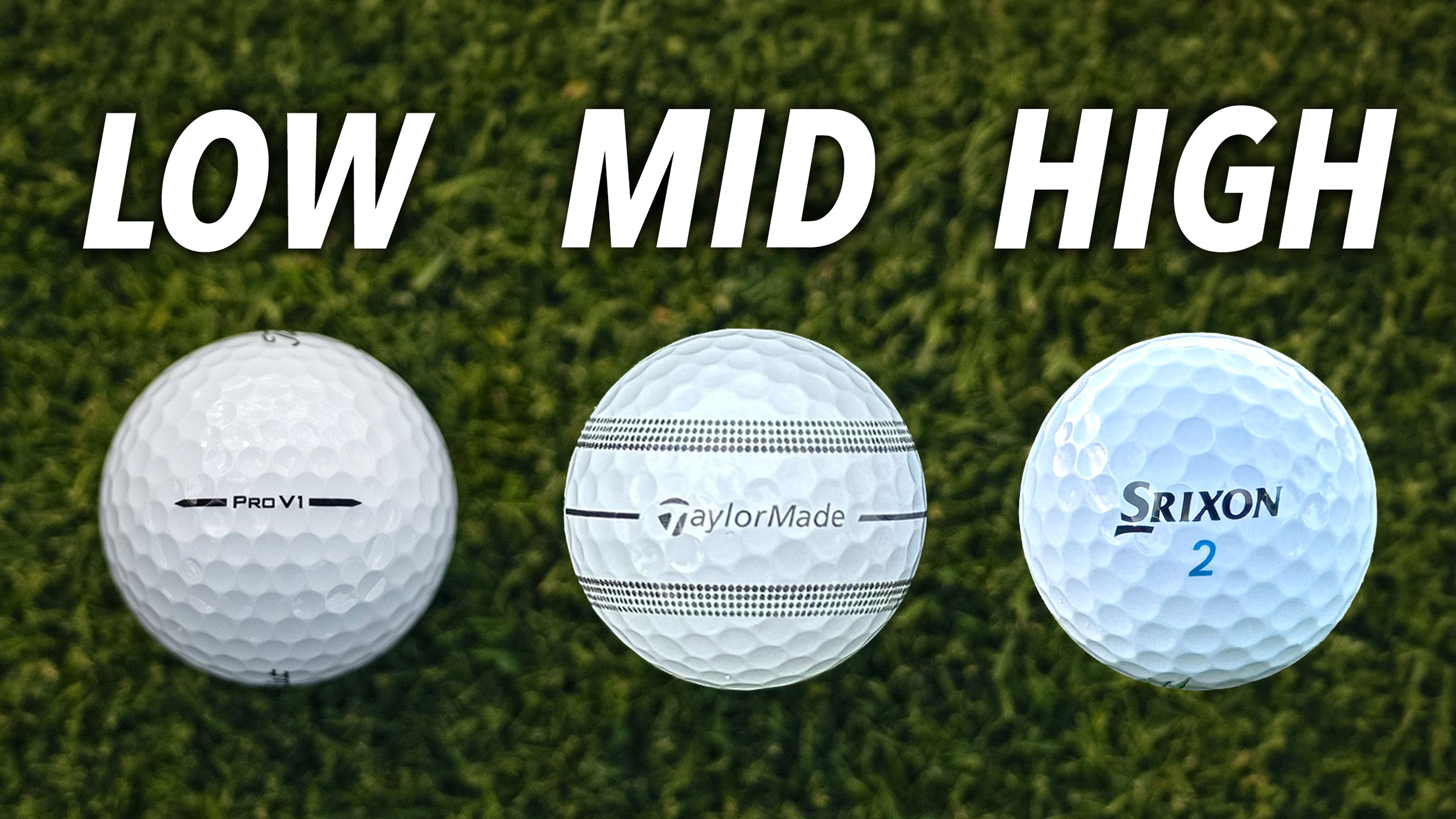 Are You Playing The Right Golf Ball? Our Experts List Their Preferred Options For Every Handicap Range
It's essential to play with a golf ball that's suitable for your game, so our team of gear gurus has put together a list of favourites in each category
-
 This Unreleased Driver Is Chalking Up Massive Tour Wins... But When Can You Get It?
Major champions like Ryan Fox and Shane Lowry are putting Srixon's unreleased driver straight into play - here’s when full specs drop and when you can get fitted…
-
 Golf Monthly Forum Debate: Should You Try Direct-to-Consumer Clubs?
The attractive prices mean they are growing in popularity but what are the drawbacks and are they right for your bag?
3 Comments -
 Irons Vs Hybrids Vs Fairway Woods Vs Wedges – How Many Of Each Should You Carry?
Are you struggling to work out how many of each type of club you should carry? There are basic principles to keep in mind
-
 Switching Into Ping's Scottsdale TEC Ally Blue Onset Helped Wyndham Clark Lead the 2026 Tour Putting Stats... Here's How It Happened
With three victories in 2026 including a major championship, Wyndham Clark has enjoyed a stellar season thanks to his switch into the Ping Scottsdale TEC Ally Blue Onset putter
-
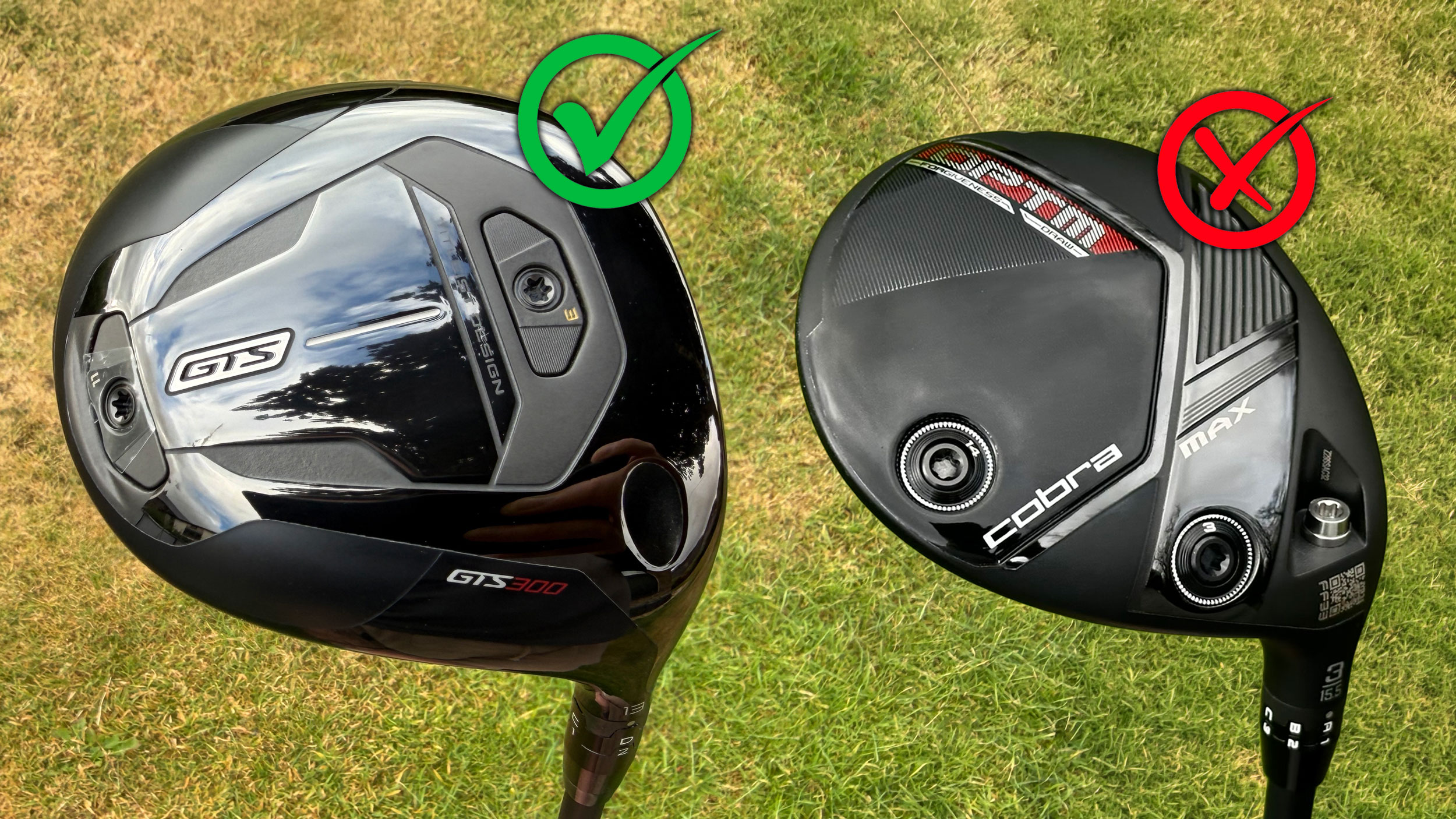 Golf Monthly Forum Debate: Is The Mini Driver Finally Replacing The 3-Wood For Mid-Handicappers?
The Golf Monthly forum has had its say on the well-known debate around this crucial spot in the top end of the bag. Will it help sway your final decision?
-
 The 9 Oldest Clubs The Golf Monthly Team Still Use Today
We all love modern technology, but there are some GM team members who haven't been able to replace certain trusty clubs...
4 Comments -
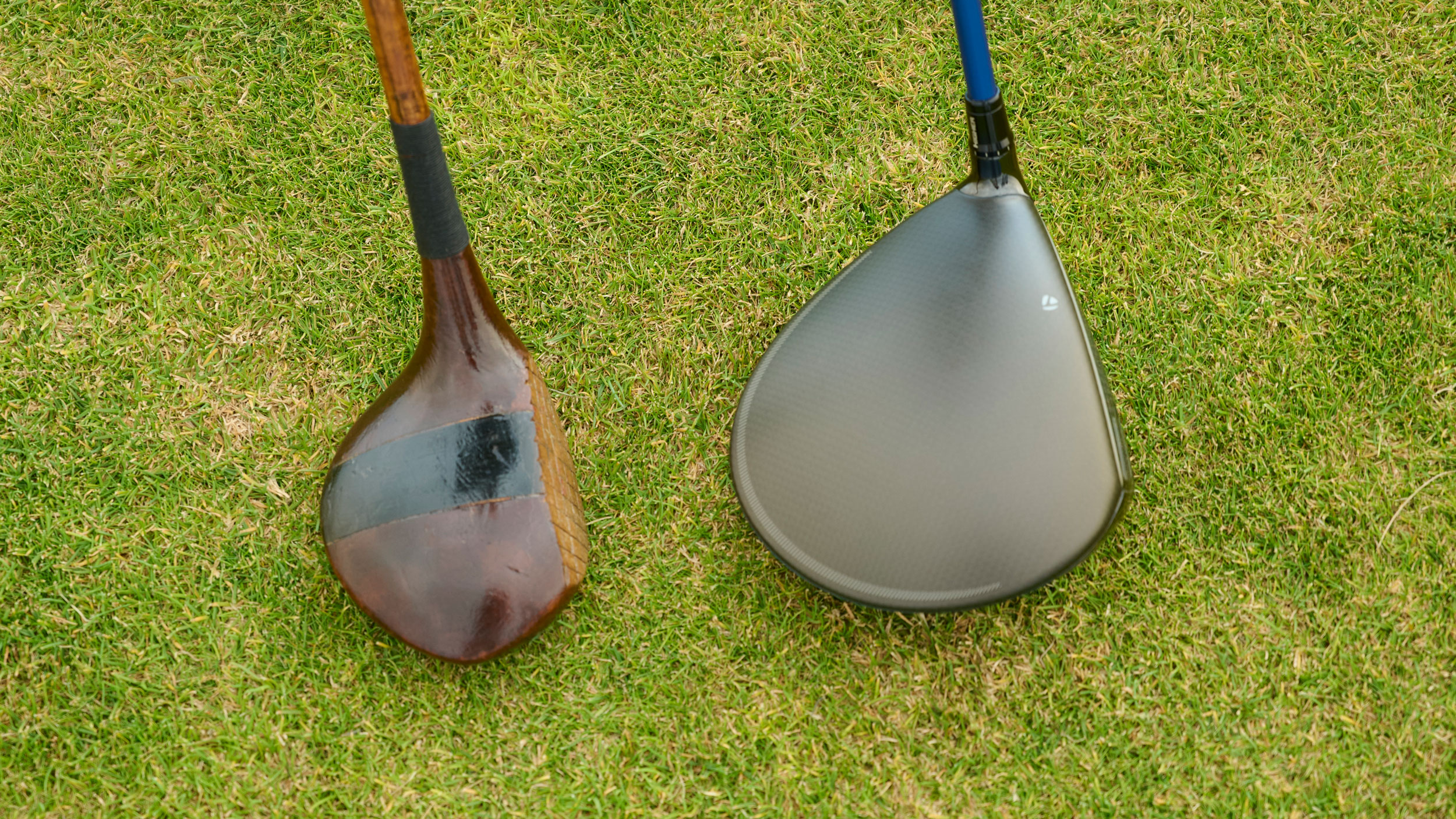 The 7 Most Important Innovations In The History Of Golf Equipment
Only a small number of innovations in the history of the sport can genuinely be regarded as 'game-changing' and we've narrowed it down to these...
5 Comments


