Sponsored by

I’m A Member Of A Top 100 Links Course And I’ve Just Put The TaylorMade TP5 Into Play. Here’s How It Helped My Scoring...
Golf Monthly writer Michael Weston discovers certain performance benefits of switching to this premium model


I made two promises to myself at the beginning of this year: to play more golf and to take my choice of equipment more seriously.
After seeing my handicap slip into double-digits, it was time to take action. I can only compare it to going from a 34- to 36-inch waist and having a sudden urge to sign up for a couch to 5k.
So, at the start of this month, swift changes were made. New grips were put on; the six-year-old wedges were upgraded and I’ve accepted my ball striking with the long irons is not consistent enough (still waiting for Sam De’Ath to help with a 7-wood).

However, by far the most significant change to my equipment line-up has been the golf ball, and the switch to the TaylorMade TP5.
Before getting into the nitty-gritty details, I should also point out that I am using the same ball every time I play and when I practice.
As a result, I’ve become far more accustomed to the feel of the ball, especially from pitching distance and around the greens, and how it reacts off the face and when it lands.
Meanwhile, the shag bag has been completely overhauled. It’s no longer a mixed assortment of different models.

I've opted to play the slightly softer-feeling TP5
So, why the TaylorMade TP5?
To be honest, I simply sought the advice of an expert, as everyone should - so my thanks to Sam, who heads up our buying advice for golf balls (he’s also a former US college golfer and county player).
My request was as follows: I need a ball that gives me plenty of spin around the greens; I prefer a soft feel; and I want a ball that I can trust to perform in windy conditions, for I play the majority of my golf on links courses.
A couple of weeks later, Sam essentially gave me a free one-hour ball fitting - and for the last month I’ve been playing the TP5.
This is the ball used by many of the best players in the game, including World No. 2 Rory McIlroy, so the top-level performance that this ball offers is kind of a given.
However, certain performance characteristics suit my game - and it’s why I will never again get lazy and casually swap between different models.
One of the key technology stories with the 2026 model is a new Microcoating system that TaylorMade has used to improve the aerodynamics and consistency of the ball, as well as an updated Tour Flight dimple pattern, which prevents the ball from ballooning.
The prevailing wind at Formby, where I play 80 per cent of the time, blows consistently from the west off the Irish Sea. And because I play a lot of golf on exposed links courses, it’s stability in windy conditions that I need.
For me, a low-mid handicapper, it’s something I only came to appreciate over the course of several rounds.

The TaylorMade TP5 golf ball allows me to chip with confidence around the greens
It’s around the greens where I believe I’ve made the biggest gains. Certainly, from a touch and feel perspective, this is where I’ve really noticed the difference.
I’ve lost count of the number of times I’ve been advised to always keep it simple with bump-and-runs. Although this is a nice, safe shot to have, you need to be creative around links greens to score well.
The TP5 is TaylorMade’s softest ball and most ‘spinny’ ball around the greens.
As a fairly confident chipper, I know I can nip the ball off tight turf and get plenty of spin when the situation demands it, like when I’m short-sided (Formby isn't quite Royal Lytham in terms of bunkers, but there is still plenty of nasty ones that need to be avoided).
It’s amazing how much you come to notice the difference over time. I now feel I have an element of control over the ball, at least when I’m greenside (mid irons are still a work in progress).

The soft feel also offers plenty of feel on the greens
Never before have I used the word “grabby”, but it’s the cast urethane cover that gives you that sense of control, allowing you to be aggressive with your chips and pitches. For the better player - and I'm just about clinging to this - it's a 'must have' in a golf ball.
One of the other reasons why I chose the TP5 over the TP5x was because of the slightly softer feel, which I also notice more on the greens. On large, undulating putting surfaces, this has really helped my judgment of pace.
I’m not getting ahead of myself, but going three rounds in a row, albeit playing social golf, without a three-putt is pretty decent for me - and that, I believe, is in no small part down to the ball.

-
 Presidents Cup 2026 Tee Times, Format And Full Schedule
Another feast of matchplay golf is almost upon us as the US bid to defend the Presidents Cup at Medinah
-
 Why Foresight+ Is The Upgrade Everyone Has Been Waiting For
The new Foresight+ is hoped to set a new standard for how players interact with their game on Foresight Sports simulators


-
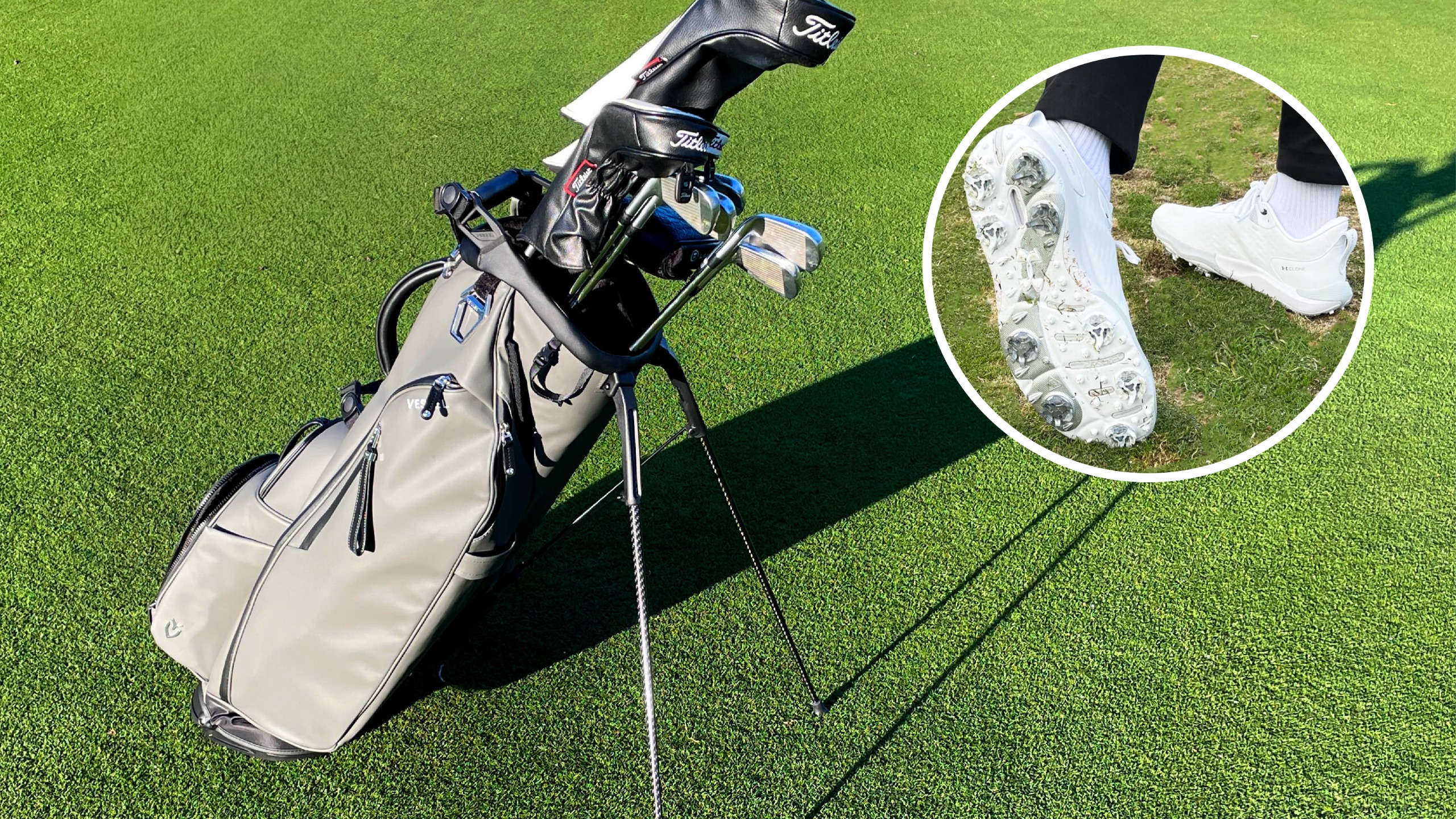 The Expensive Golf Equipment That Is Really Worth Your Money
Equipment testers Dan Parker and Joe Ferguson talk about some of their favorite pricey products that fully justify the expense
-
 This Unique Launch Monitor Not Only Tells You What Happened During Your Swing, But Why
The days of launch monitors spitting out numbers and putting the onus on you to determine what they mean may be over courtesy of the NeoPace G10 Pro.
-
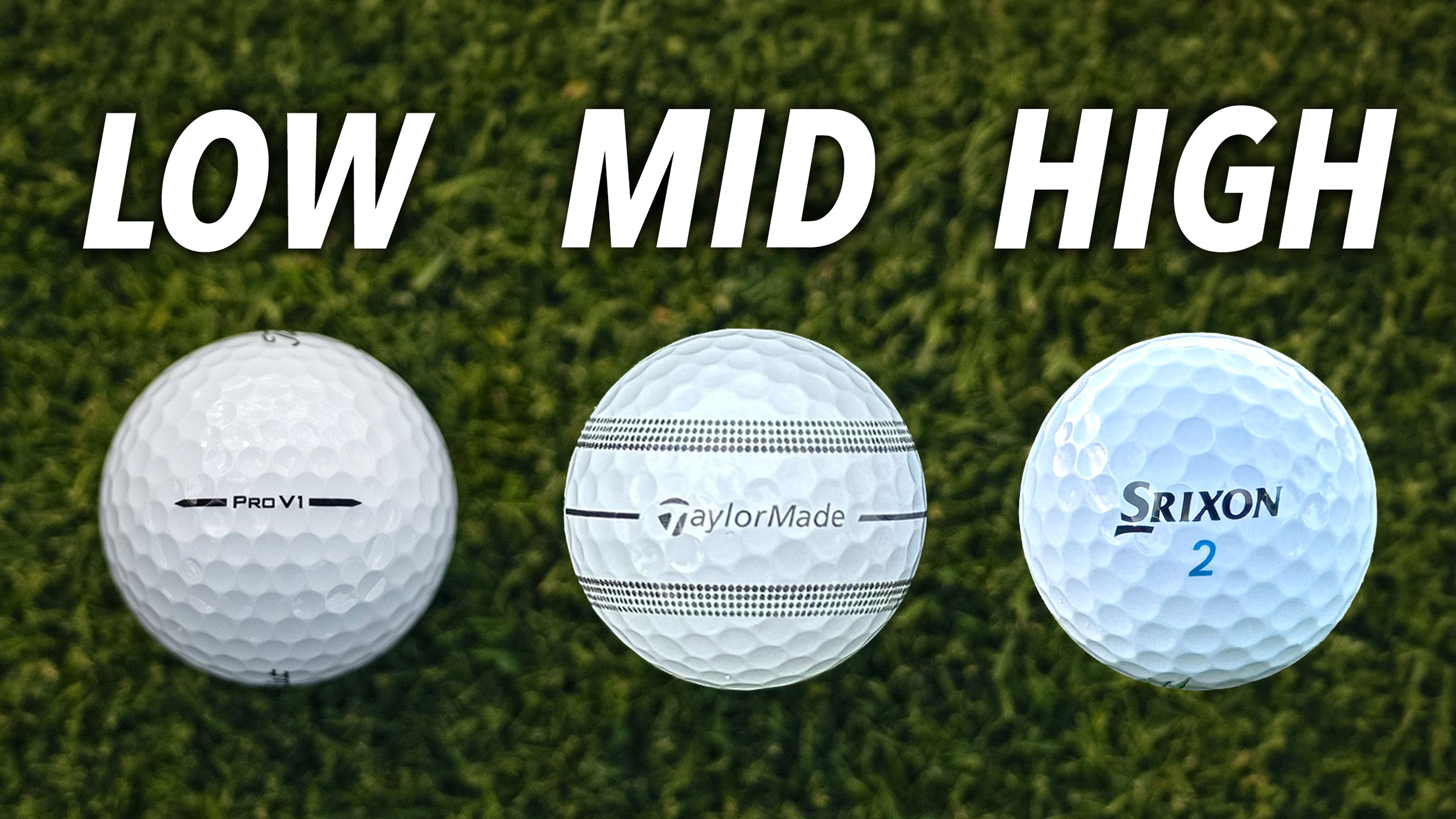 Are You Playing The Right Golf Ball? Our Experts List Their Preferred Options For Every Handicap Range
It's essential to play with a golf ball that's suitable for your game, so our team of gear gurus has put together a list of favourites in each category
2 Comments -
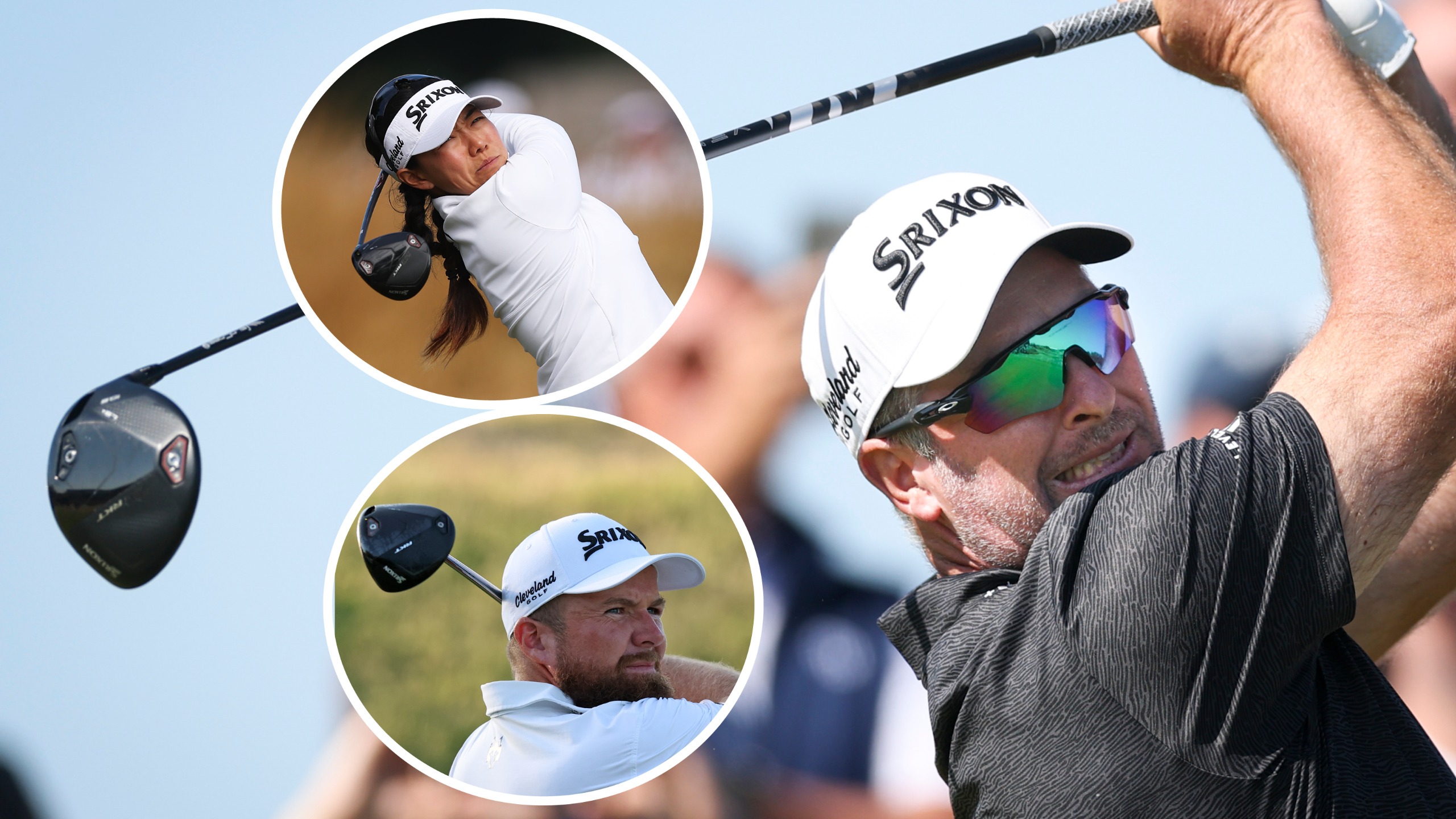 This Unreleased Driver Is Chalking Up Massive Tour Wins... But When Can You Get It?
Major champions like Ryan Fox and Shane Lowry are putting Srixon's unreleased driver straight into play - here’s when full specs drop and when you can get fitted…
-
 Golf Monthly Forum Debate: Should You Try Direct-to-Consumer Clubs?
The attractive prices mean they are growing in popularity but what are the drawbacks and are they right for your bag?
3 Comments -
 Irons Vs Hybrids Vs Fairway Woods Vs Wedges – How Many Of Each Should You Carry?
Are you struggling to work out how many of each type of club you should carry? There are basic principles to keep in mind
-
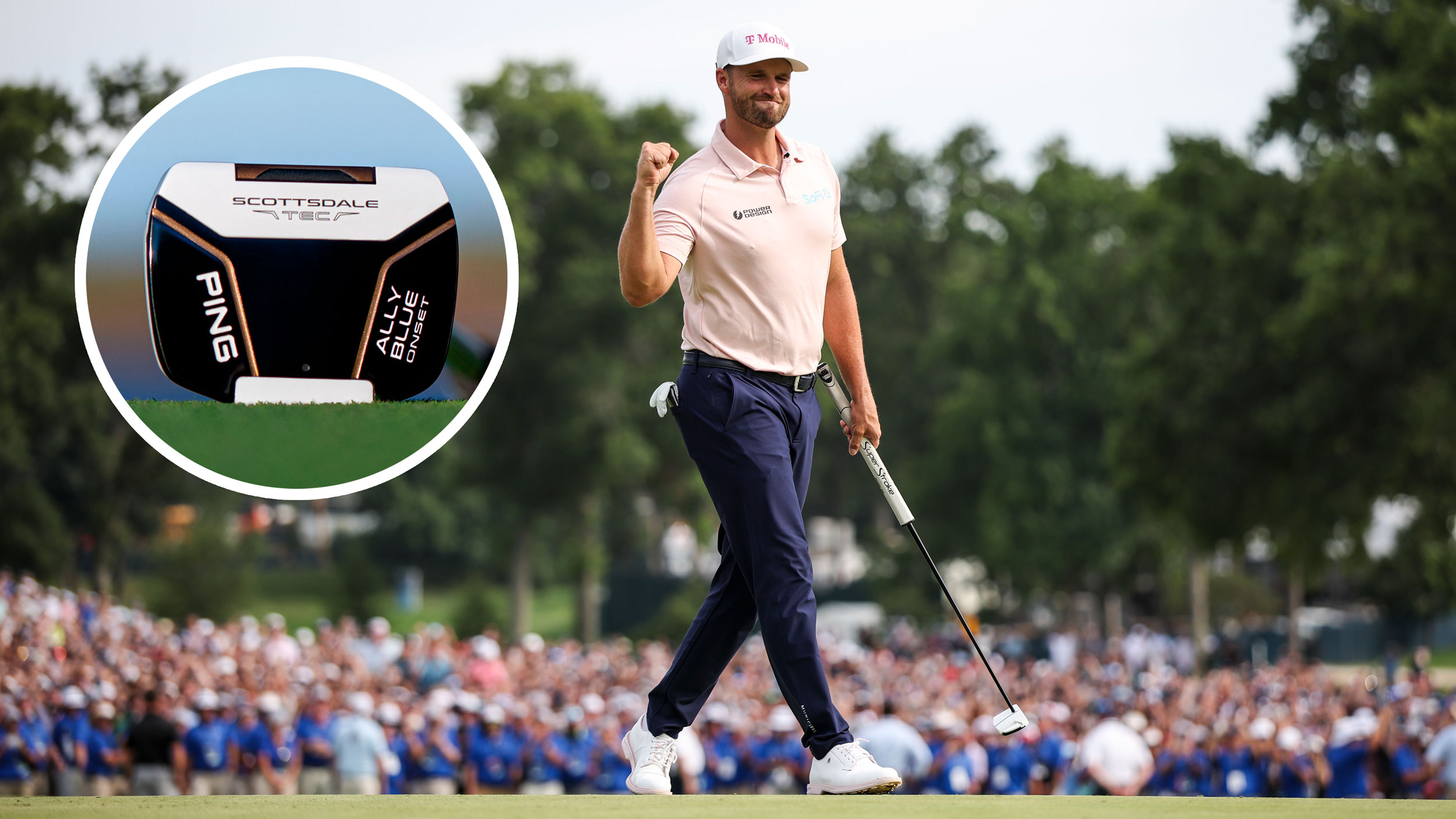 Switching Into Ping's Scottsdale TEC Ally Blue Onset Helped Wyndham Clark Lead the 2026 Tour Putting Stats... Here's How It Happened
With three victories in 2026 including a major championship, Wyndham Clark has enjoyed a stellar season thanks to his switch into the Ping Scottsdale TEC Ally Blue Onset putter
-
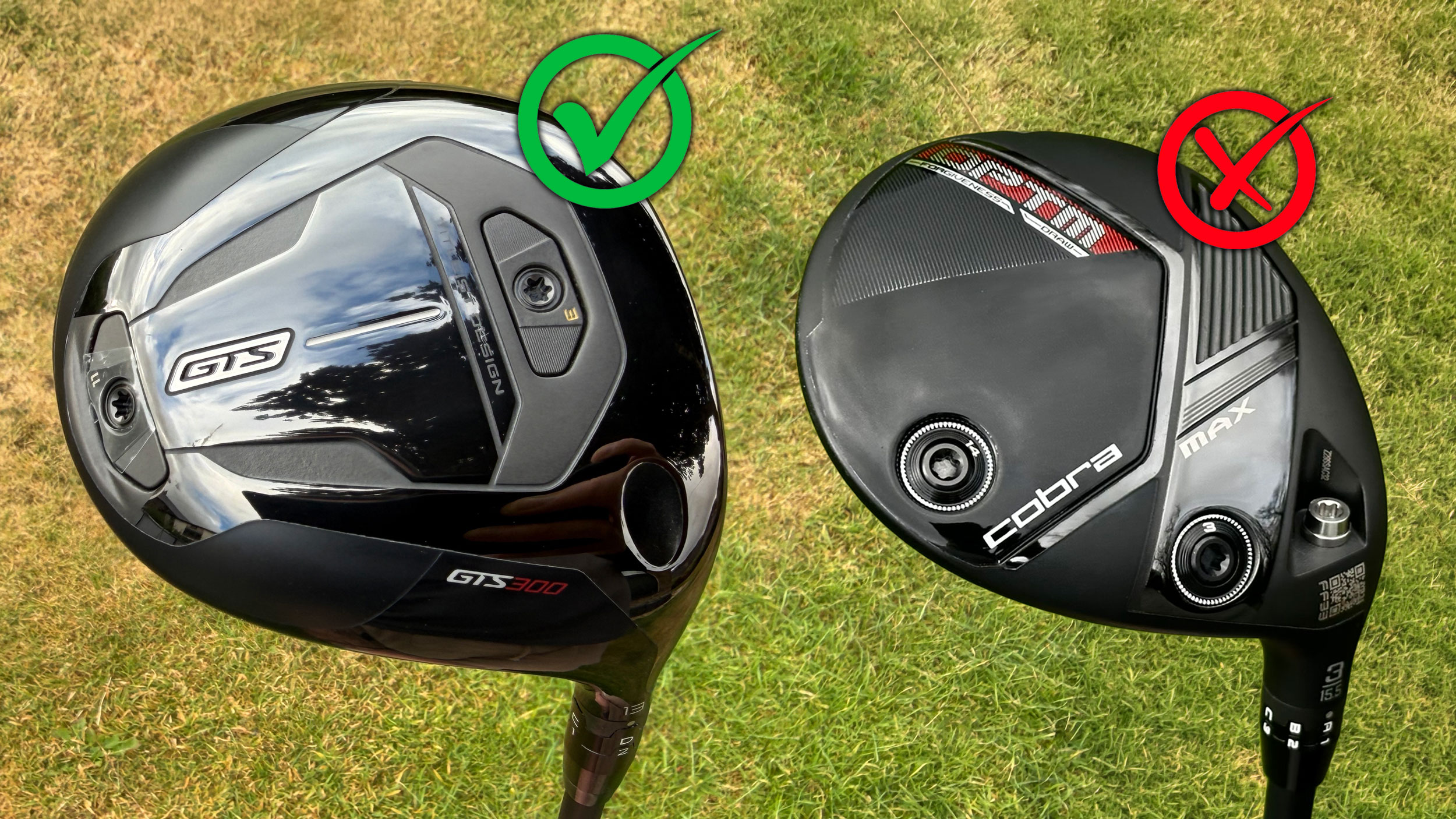 Golf Monthly Forum Debate: Is The Mini Driver Finally Replacing The 3-Wood For Mid-Handicappers?
The Golf Monthly forum has had its say on the well-known debate around this crucial spot in the top end of the bag. Will it help sway your final decision?


