







Sponsored by

5 Tee-To-Green Tips To Help You Play Better Golf This Winter
Top 50 Coach Ben Emerson shares 5 technique tricks, from tee to green, that can help you play better golf and shoot lower scores this winter...


Winter golf is a different beast.
The colder nights are drawing in, the course is battling the elements and we are all complaining that the game just got a little bit 'harder' - but it doesn't have to be.
This biggest mistake amateurs make when it comes to winter golf is assuming they can take their spring/summer game into the colder, wetter season.
By making some simple changes, you can still maximise your distance off the tee, achieved a centred strike with your approach shots, show off your short game and putt like a pro.
In this article, I share five technique tricks, covering every area from tee to green, to help you do exactly that and, ultimately, shoot lower scores this winter...
5 Tee-To-Green Tips To Help You Play Better Golf This Winter
1. Off The Tee

Fresh, clean spikes are crucial for better golf this winter
When it comes to driving in the winter, it’s really important to have a stable base. This provides the support to allow you to use ground forces really well and hit those powerful tee shots we all crave.
My best advice would be to adopt a wider stance at address and focus on using the ground effectively to generate speed and deliver force into the club. Spikes can play a big role in this, if you wear spiked shoes.
A fresh pair of spikes can make all the difference, as it helps to increase traction and connection with the ground in slippery, wet or icy conditions.
These conditions mean that we, sadly, can’t rely on the roll of the fairways - it’s all about the carry distance. To maximise this, I like to tee the ball up higher and put a little more loft on my driver - remember, loft is your friend in the winter months.
Making these changes will help you to maximise your distance off the tee and set you up nicely to reach the green in regulation.
2. Iron Play

Many amateur golfers don't fully understand what a good impact position looks like
A centred strike and a good impact position is even more important in the winter months, as being fractionally out could be the difference between a crisp, well flighted effort and a 4ft duff.
Some of the problems that I often see when coaching amateurs is they don’t transfer their weight correctly, which inevitably leads to a heavy contact.
I explain over and over again to my students that understanding what a good impact position looks like is half the battle in actually achieving it.
Putting the ball back in your stance and ‘punching’ it is a common compensation, but you don’t need to do that if you understand what impact looks like.
A great point to focus on is the impact position looks different to the start position. At address, the butt of the club is pointing just fractionally past our centre, but at impact the butt of the grip is pointing past our lead hip.
This also comes with a rotation of the hips and a pressure shift into the lead side, so side-by-side the picture of the two positions looks very different.
I would suggest you rehearse the impact position without hitting any shots - at least to start with. What does it feel like to get those hands ahead of the ball and initiate that turn/pressure shift?
Once you have that great, textbook impact position - your only job is to return there. Complete some slower rehearsal swings and clip a few away, focusing only on getting into the correct impact position - then as you feel more confident you can increase the speed and strike it pure.
3. Bunker Play

Pressure through the front foot is crucial when playing bunker shots
There are a couple of key setup changes that amateur golfers should make when hitting bunker shots in the winter.
Compact sand is often associated with the colder months and it can cause club golfers a problem, so let’s start there.
For this type of scenario, I wouldn’t advise taking a wide stance or opening the face up. The latter will just expose the bounce and on hard, compact sand that could spell disaster (and likely a second bunker shot from an identical position).
Instead, stand taller and place 60 to 70 percent of your weight on your lead side. The important point to remember here is that the pressure stays on the lead side throughout the swing.
If you incorporate a big weight shift, all you are succeeding in doing is moving the low point and making the shot even tougher.
The final thing I want you to do is use the loft on the club (and no more). If you’ve got a high lip, take your 60 degree and trust the loft on the club - you don’t need to open the face to present more.
Avoid taking too much sand before the ball, focus on a good strike and commit.
4. Chipping

Committing to the chip shot and rotating fully into the finish position is important in winter
Don’t fall into this common trap when chipping in winter. Taking lots of loft is often unnecessary, especially if you’ve got nothing to go over. I don’t want to see you reaching for your 60 degree, unless it’s an absolute emergency.
In the majority of situations, where you have nothing to go over and a clear run across the green - take a pitching wedge or 9-iron and get the ball rolling out towards the flag.
A simple technique is important for this shot. Plenty of golfers quit on the rotation early and get flicky with their hands, but that leads to inconsistent strikes and unpredictable results.
Instead, keep your feet a little closer together, your hands forward of the ball to create some shaft lean and the wrists fairly neutral. A rock of the shoulders with soft hands and arms, and a chest that turns towards the target, is the secret sauce for better chip shots in the winter.
5. Putting

Lengthen your stroke and commit to the putt with positivity on wet greens
When it comes to putting in the winter, it’s crucial to understand that the greens are going to be slower than in spring and summer. This will impact your pace control considerably and is ultimately the reason that many amateurs leave their first effort short on the moist, softer greens.
A common fault is adding power in the wrong way, like flicking the wrists through impact to give it an extra bit of speed, but this comes at a cost - specifically your ability to control the roll.
Instead, you should be focusing on lengthening the stroke and committing to a positive follow-through within the parameters of your intended tempo. Then, it’s all about a centred strike.
If you can marry these two things up, providing your read isn’t miles off, you are going to give yourself a better chance of avoiding those costly 3-putts.

-
 Blade vs Game Improvement Irons: The Real Performance Difference
What performance are you leaving on the table by using a blade instead of a game-improvement iron? Sam De'Ath put them head-to-head to find out
-
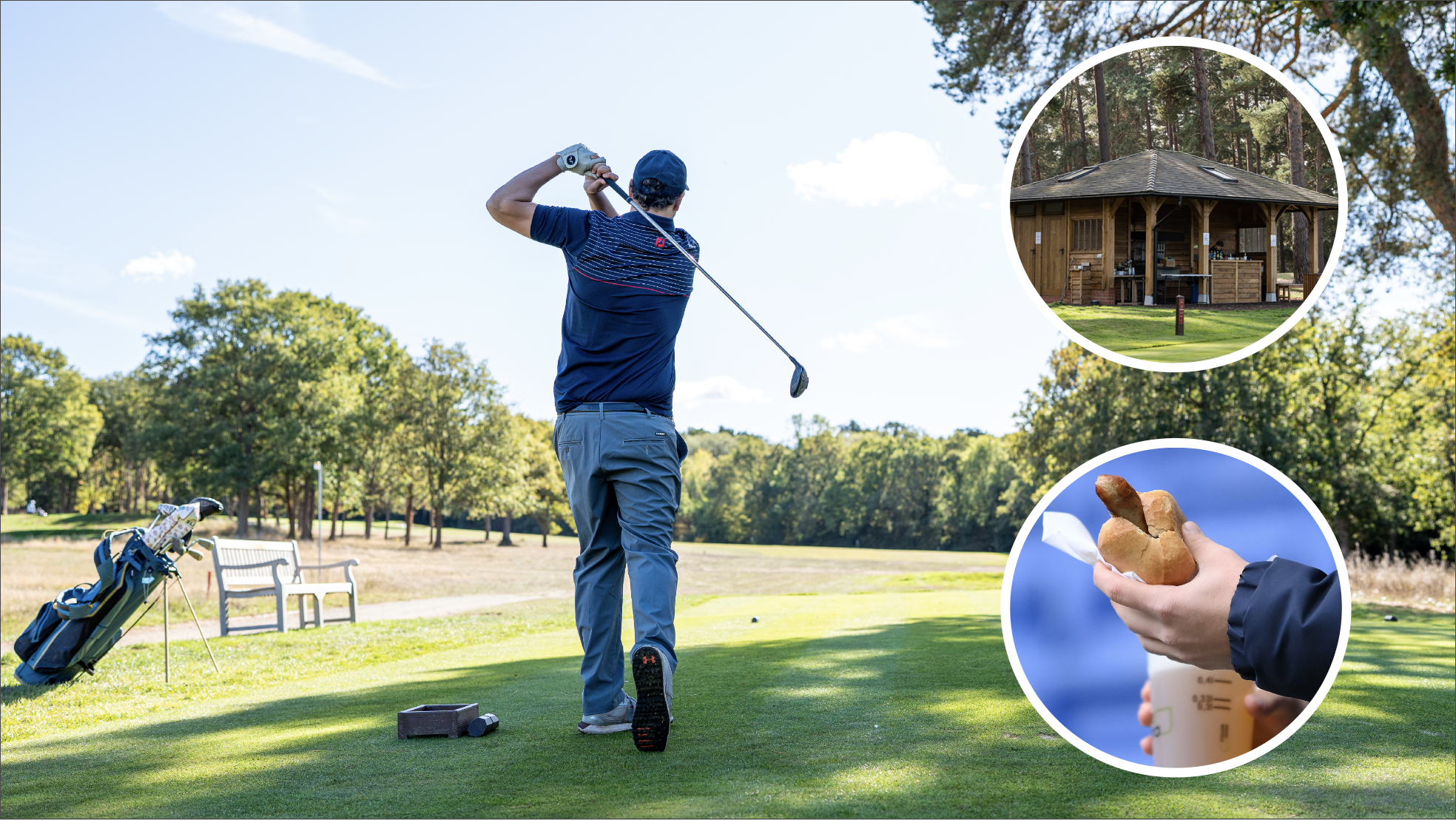 I've Changed My Diet And It's Definitely Helped My Golf. But Why?
I used to adore a bacon butty and a messy egg sandwich at the halfway hut, but I’m convinced eating a cleaner diet has been good for my game


