Sponsor Content Created With

Putter Alignment And Visual Focus: Your Frequently Asked Questions Answered
Better aim means more putts holed, but how can you improve in this crucial area of the game? We answer all of your questions...

The ability to align your putter to your target is an underrated skill that is ultimately the difference between holing putts from short range and missing.
The Ping Scottsdale TEC putter family has some clever alignment technology designed to not only help achieve correct alignment more consistently but also enhance focus over the ball to improve putting performance. Here are some frequently asked questions about putter alignment and how the Ping Scottsdale TEC family can help.
TL;DR: The Ping Scottsdale TEC putter family comprises a number of high-MOI mallets designed to improve alignment with its Eye Q visual technology and performance on the greens thanks to a multi-material construction that enhances both feel and forgiveness.

Why do I think I am aiming straight when my putter is in fact pointing off line?
This typically comes down to visual distortion caused by your eye position over the ball at address. Ideally your eyes would be positioned directly over or slightly inside the ball in the set up position, parallel to the target line. You also need to make sure your eyes are looking forward from your head, not tilted downwards towards your face, which can distort your perspective when turning to look at the hole.
A lack of visual cues on the top of your putter can affect your ability to set the eyes in the correct position. This is one of the reasons why the Ping Scottsdale TEC putter range comprises only larger mallet putters, offering longer sightlines with the addition of a dot at the front that helps provide more visual assistance in setting the face square to the target while also enhancing your focus.
What is Quiet Eye in golf?
Quiet Eye is a visual performance philosophy that refers to how golfers visually engage with the putter before the stroke.
Discovered by kinesiologist Dr. Joan Vickers in the 1990s, eye-tracking studies consistently show that elite athletes hold their gaze on a single point longer and more steadily than amateurs.
In putting, Quiet Eye describes the duration of a player’s final gaze fixation, with longer durations consistently linked to higher skill and better performance through lower anxiety and a more subconscious putting action.
Quiet Eye has been used extensively in other sports requiring precise movements to help athletes improve focus just before action. Whether it’s shooting a free throw in basketball or serving a tennis ball, many top athletes train using this technique.
How Does Ping's Eye Q Alignment technology help lower scores?
The Eye Q alignment technology found on the Ping Scottsdale TEC putters provides a distinct focal point on the crown combined with a long alignment line. The design helps naturally quiet the player’s eyes before the stroke, making it easier to center and maintain a stable gaze at the critical moment. This visual stability is key to enhancing the Quiet Eye period.
Ping engineers tested multiple alignment prototypes, covering putters with lines, dots and no visual cues at all, while golfers wore Tobii eye‑tracking glasses. This enabled precise measurement of where, how long, and how consistently players focused their attention. The data revealed that when using a putter with nothing on it, a player’s gaze tends to bounce around.
With a line, it follows more up and down it but with a dot at the front of the putter, the golfer’s gaze is focused on the dot leading to an extended Quiet Eye duration, stronger visual control and improved putting performance. Ping has taken these findings and applied them to the Scottsdale TEC putter family.

What is the difference between an offset and onset putter hosel for alignment?
On offset putters, the hosel or shaft bends ahead of the putter face to help players keep their hands ahead of the ball at impact. It can be done in different ways depending on the amount of toe hang looking to be created. Visually, it hides the leading edge slightly and is helpful for golfers that tend to push their putts to get the ball starting more on line.
Onset putters, like the Ping Scottsdale TEC Ally Blue Onset and Ketsch Onset models, place the shaft near the center line of the putter head, behind the top rail and ahead of the CG to provide golfers with a full-face view of the ball at address. It also helps to keep the face stable during the stroke.
How do I know if I need an onset or offset putter to fix my aim?
If you have more offset on your putter through the hosel design, you'll generally aim the putter more to the left. So if you struggle with a right aim or right miss, the Ping Scottsdale TEC Hayden with its full shaft offset would be a good putter to try. If you have more onset, you'll generally aim the putter a little bit more right, which is why the Ping Scottsdale TEC Ally Blue Onset or Ketch Onset are perfect putters for golfers that tend to miss left.
Which Ping putters are best for alignment?
The entire Ping Scottsdale TEC range has been designed with alignment in mind, but the Ketch Onset is arguably the leading choice when it comes to maximum alignment assistance. The onset design means you get a full view of the entire length of the clubface and ball, while it integrates Ping’s Eye Q Technology and three prominent black lines that contrast sharply with the white crown to make accurate aim easier.

Should I buy a putter with a single sightline, a dot, or no lines at all?
Research carried out by Ping in creating its Scottsdale TEC mallet putters revealed that alignment designs with a dot as a focal point ahead of a long alignment line helps naturally quiet the player’s eyes before the stroke, leading to higher skill level and better performance.
Golfers tend to react differently to different visual cues, some prefer lots of help through lines and dots, even contrasting color blocks, while others prefer a cleaner, distraction-free look.
Do high-MOI mallet putters make it easier to aim than classic blades?
Mallet putters have a larger footprint than blades which makes the alignment cues more prominent, helping golfers to better see where the putter is aiming. The Ping Scottsdale TEC range is a classic example of a selection of mallet putters with long black sightlines that contrast sharply with the white crown to provide more vivid assistance. The combination of the long line and the dot better stabilised gaze and extended Quiet Eye duration, directly leading to stronger visual control and improved putting performance.
It’s also worth adding that mallet putters are more stable than blades, which means the face has a lower propensity to twist open or closed on off-center strikes, leading to tighter start lines.
What should my eyes be looking at as I start my stroke?
The general advice here is to look at a small focal point, such as a dimple on the ball. This theory ties in with Quiet Eye, a scientifically-proven sports psychology phenomenon that refers to the final, steady fixation of your eyes on a specific target right before you execute a physical movement.
This is why Ping Scottsdale TEC putters feature a dot in front of a long sightline, which forms its Eye Q technology. It is said to naturally quiet the player’s eyes before the stroke, making it easier to center and maintain a stable gaze at the critical moment
With cutting edge technology designed to improve your alignment and enhance your focus, the Ping Scottsdale TEC putter range has everything you need to start holing more putts. Visit Ping.com to find out more.
-
 BMW PGA Championship Tee Times 2026: Round Two Pairings
All of the start times and groups for Friday's second round at Wentworth
-
 PGA Tour Makes Controversial Preferred Lies Call For Biltmore Championship
The PGA Tour announced even before the start of the Biltmore Championship that preferred lies would be in operation for the entire duration of the tournament


-
 This Unique Launch Monitor Not Only Tells You What Happened During Your Swing, But Why
The days of launch monitors spitting out numbers and putting the onus on you to determine what they mean may be over courtesy of the NeoPace G10 Pro.
-
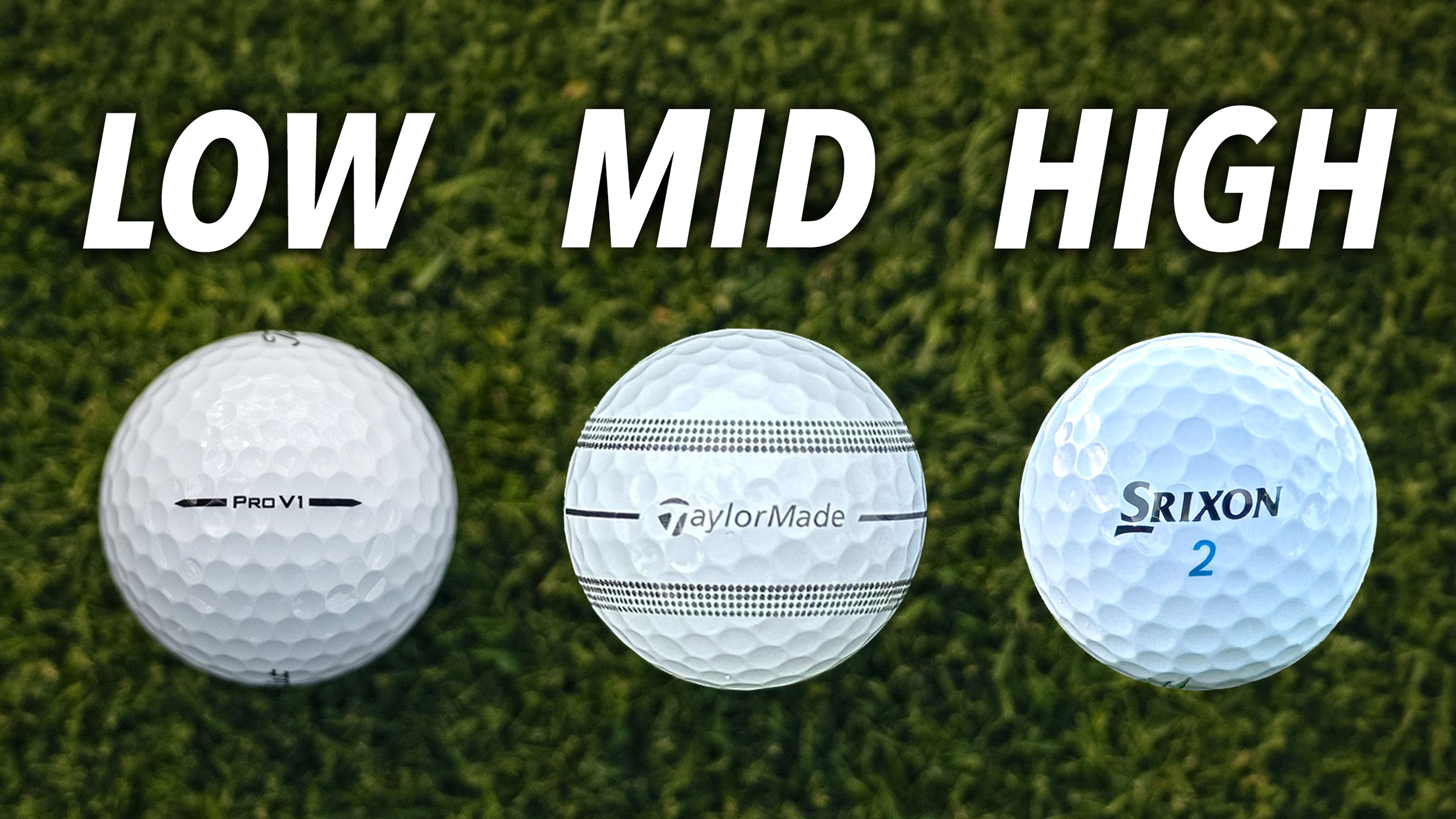 Are You Playing The Right Golf Ball? Our Experts List Their Preferred Options For Every Handicap Range
It's essential to play with a golf ball that's suitable for your game, so our team of gear gurus has put together a list of favourites in each category
2 Comments -
 This Unreleased Driver Is Chalking Up Massive Tour Wins... But When Can You Get It?
Major champions like Ryan Fox and Shane Lowry are putting Srixon's unreleased driver straight into play - here’s when full specs drop and when you can get fitted…
-
 Golf Monthly Forum Debate: Should You Try Direct-to-Consumer Clubs?
The attractive prices mean they are growing in popularity but what are the drawbacks and are they right for your bag?
3 Comments -
 Irons Vs Hybrids Vs Fairway Woods Vs Wedges – How Many Of Each Should You Carry?
Are you struggling to work out how many of each type of club you should carry? There are basic principles to keep in mind
-
 Switching Into Ping's Scottsdale TEC Ally Blue Onset Helped Wyndham Clark Lead the 2026 Tour Putting Stats... Here's How It Happened
With three victories in 2026 including a major championship, Wyndham Clark has enjoyed a stellar season thanks to his switch into the Ping Scottsdale TEC Ally Blue Onset putter
-
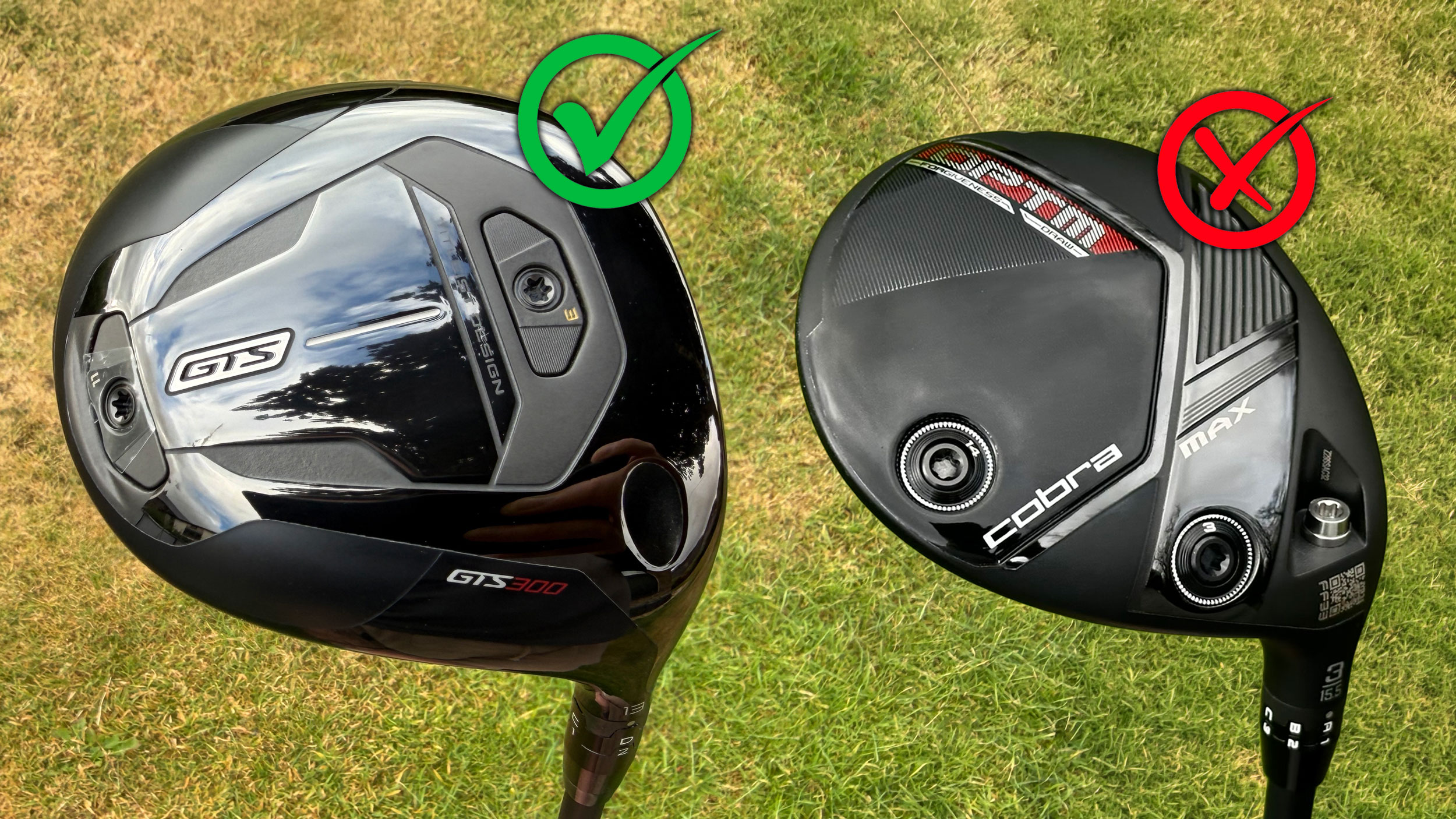 Golf Monthly Forum Debate: Is The Mini Driver Finally Replacing The 3-Wood For Mid-Handicappers?
The Golf Monthly forum has had its say on the well-known debate around this crucial spot in the top end of the bag. Will it help sway your final decision?
-
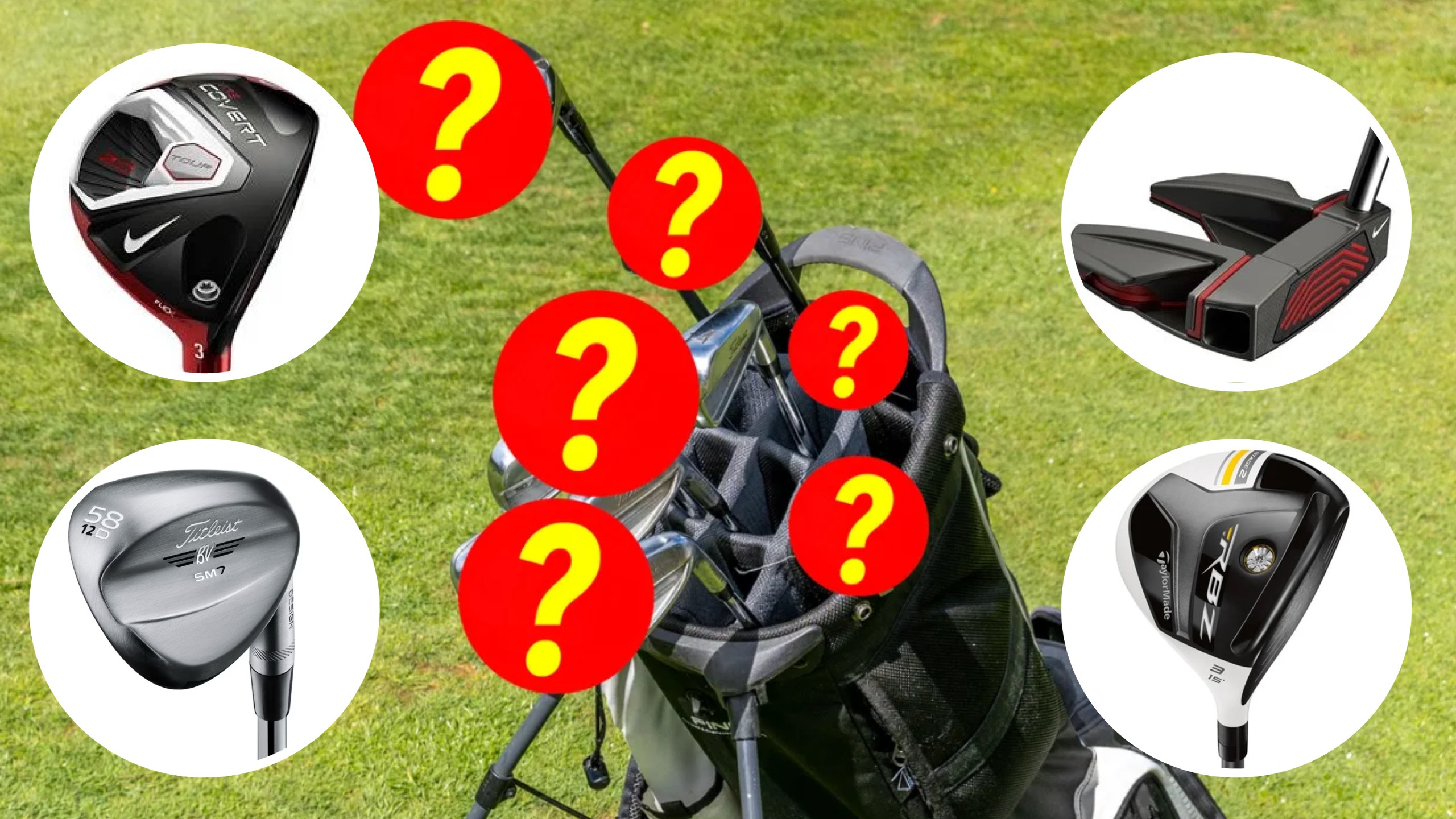 The 9 Oldest Clubs The Golf Monthly Team Still Use Today
We all love modern technology, but there are some GM team members who haven't been able to replace certain trusty clubs...
4 Comments


