Sponsor Content Created With

How To Switch From A Blade To A Mallet Without Losing Putting Feel
It's a switch the vast majority of pros are making but how do you maintain your feel and touch on the greens when moving into a mallet? We explain all

If you’re a blade user interested in switching to a mallet, you’re likely looking for added stability and forgiveness. While you might be concerned that the transition will be a big departure from what you’re used to, that need not be the case.
TL;DR: Ping's Scottsdale TEC onset models solve all the concerns that stop longtime blade users from switching to a mallet putter.
Step 1: Solve the sightline problem
What to expect: A clean, blade-like view at address, making the larger head easier to aim and accept visually.
Mallet putters provide a clean view of the whole front of the putter, a little bit like what you get with a blade putter, making the larger head easier to aim and accept visually. A common concern with mallets is that the larger head or shaft position may make the setup feel off. However, Ping’s Scottsdale TEC onset geometry places the shaft behind the face, keeping the ball, leading edge and face clearly visible.
Ping’s Ally Blue Onset putter provides a full-face view, while the Ketsch Onset positions the shaft slightly toward the heel, giving golfers a clear view of the ball.

Step 2: Solve the weight and stability problem
What to expect: More stable heel and toe strikes, with improved starting-line and distance consistency on mishits.
Blade heads generally place most of their weight near the center, so heel or toe strikes can make the face twist, forcing putts off-line. Mallets, on the other hand, shift more weight to the edges and rear of the head, increasing MOI and helping the face stay squarer through impact, letting players hit more putts that stay on line.
That putt that looked fine at address and frustratingly still finished a foot short? A mallet could be the answer.
Ping’s Blue Onset putter (370g weight) and Ketsch Onset putter (350g weight) both use lightweight aluminium in the body and denser stainless steel in the sole and perimeter to create that stability without making the head feel overly heavy. The result is more forgiveness on mishits while keeping the putter balanced and responsive.
Step 3: Solve the feel problem
What to expect: More familiar touch on short putts and better pace control from longer range.

Some blade users worry that a mallet will feel difficult to square up at impact. But the center of gravity in every Scottsdale TEC putter is positioned behind the shaft axis to ensure it is pulled through the stroke for stability and less twisting. Much like how a wheelbarrow is easier to pull over a curb instead of pushing it over, pulling the CG provides more stability through the stroke and helps keep putts on line and rolling into the hole.
Step 4: Match the putter to your actual stroke
What to expect: A putter that supports a player’s natural stroke rather than forcing an unnatural one. Choose the Ally Blue Onset for a straighter path and the Ketsch Onset for a slight arc.
Once the sightline, stability and feel concerns have been addressed, the final decision should be based on how the face naturally moves during the stroke.
The Ally Blue Onset is better suited to a straighter stroke with minimal face rotation. It can help a player who wants the face to remain relatively square throughout the motion.
The Ketsch Onset is designed for a slight arc. It allows some natural opening and closing of the face while still providing the stability of a mallet.

What the tour pros say about switching from a blade to a mallet
“I’ve always used a blade putter, but I was looking to try a mallet. I tried the Ally Blue onset and immediately fell in love with it. It sets up so square and makes it easier to know where the face is aiming. With the dot and line, I can line up in the middle of the ball, which is extremely important. When you’re making good strokes, you’re splitting the ball in half, which means it’s rolling end over end. The Scottsdale Tech really helped change my putting for the better.” — Ping Pro Tony Finau

Can I switch from a blade to a PING Scottsdale TEC mallet without losing feel?
Moving from a blade to a mallet may feel like a big change, but it does not have to mean leaving behind everything you already like about your putter.
Onset models from Ping offer the added forgiveness of a mallet while keeping all of the characteristics that many blade users value. Once those concerns are out of the way, the choice simply comes down to finding the model that suits your natural stroke.
Players with a straighter stroke may feel most comfortable with the Ally Blue Onset, while the Ketsch Onset is designed for golfers who naturally putt with a slight arc. Match the putter to your natural stroke, and the step from blade to mallet can feel far more natural than expected.
-
 BMW PGA Championship 2026 Tee Times: Round Three Pairings
All the third round tee times for the 2026 BMW PGA Championship at Wentworth, the flagship event on the DP World Tour
-
 Rory McIlroy Eyes 'Big Weekend' At Wentworth To Cut Into Injured Patrick Reed's Race To Dubai Lead
With Patrick Reed forced out of the BMW PGA Championship, Rory McIlroy knows it's a big chance for him to make some serious ground up on the Race To Dubai leader


-
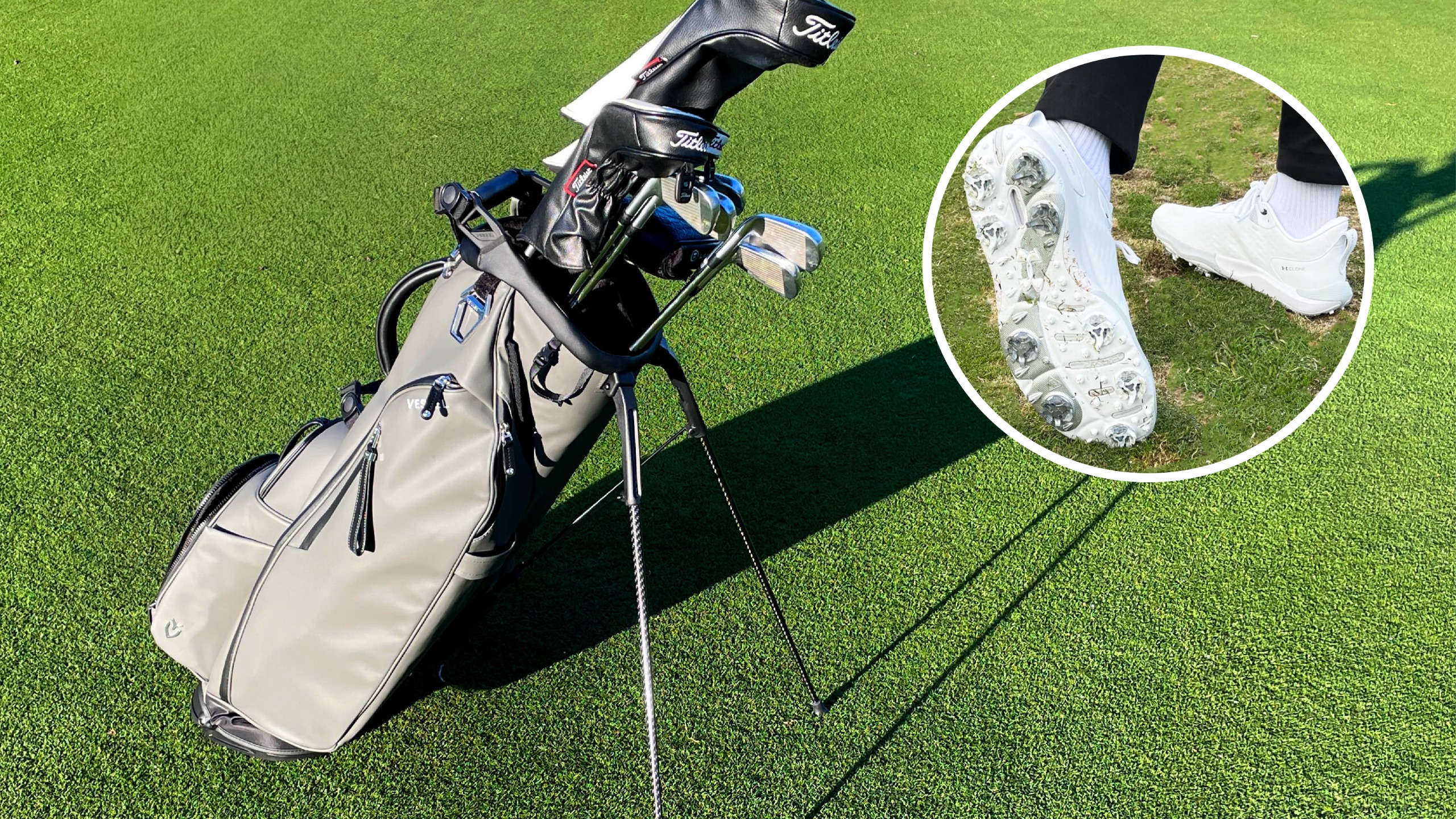 The Expensive Golf Equipment That Is Really Worth Your Money
Equipment testers Dan Parker and Joe Ferguson talk about some of their favorite pricey products that fully justify the expense
-
 This Unique Launch Monitor Not Only Tells You What Happened During Your Swing, But Why
The days of launch monitors spitting out numbers and putting the onus on you to determine what they mean may be over courtesy of the NeoPace G10 Pro.
-
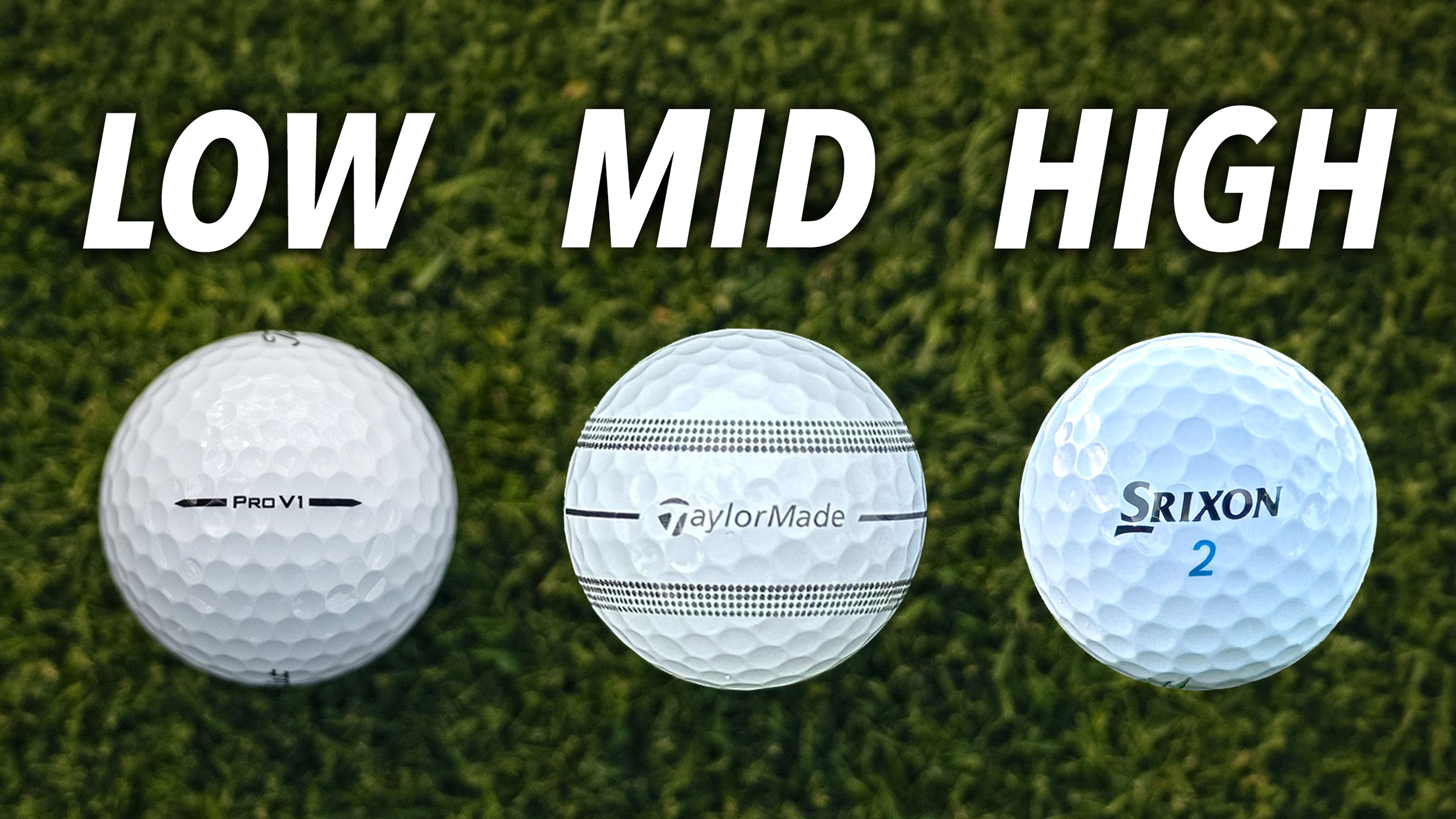 Are You Playing The Right Golf Ball? Our Experts List Their Preferred Options For Every Handicap Range
It's essential to play with a golf ball that's suitable for your game, so our team of gear gurus has put together a list of favourites in each category
2 Comments -
 This Unreleased Driver Is Chalking Up Massive Tour Wins... But When Can You Get It?
Major champions like Ryan Fox and Shane Lowry are putting Srixon's unreleased driver straight into play - here’s when full specs drop and when you can get fitted…
-
 Golf Monthly Forum Debate: Should You Try Direct-to-Consumer Clubs?
The attractive prices mean they are growing in popularity but what are the drawbacks and are they right for your bag?
3 Comments -
 Irons Vs Hybrids Vs Fairway Woods Vs Wedges – How Many Of Each Should You Carry?
Are you struggling to work out how many of each type of club you should carry? There are basic principles to keep in mind
-
 Switching Into Ping's Scottsdale TEC Ally Blue Onset Helped Wyndham Clark Lead the 2026 Tour Putting Stats... Here's How It Happened
With three victories in 2026 including a major championship, Wyndham Clark has enjoyed a stellar season thanks to his switch into the Ping Scottsdale TEC Ally Blue Onset putter
-
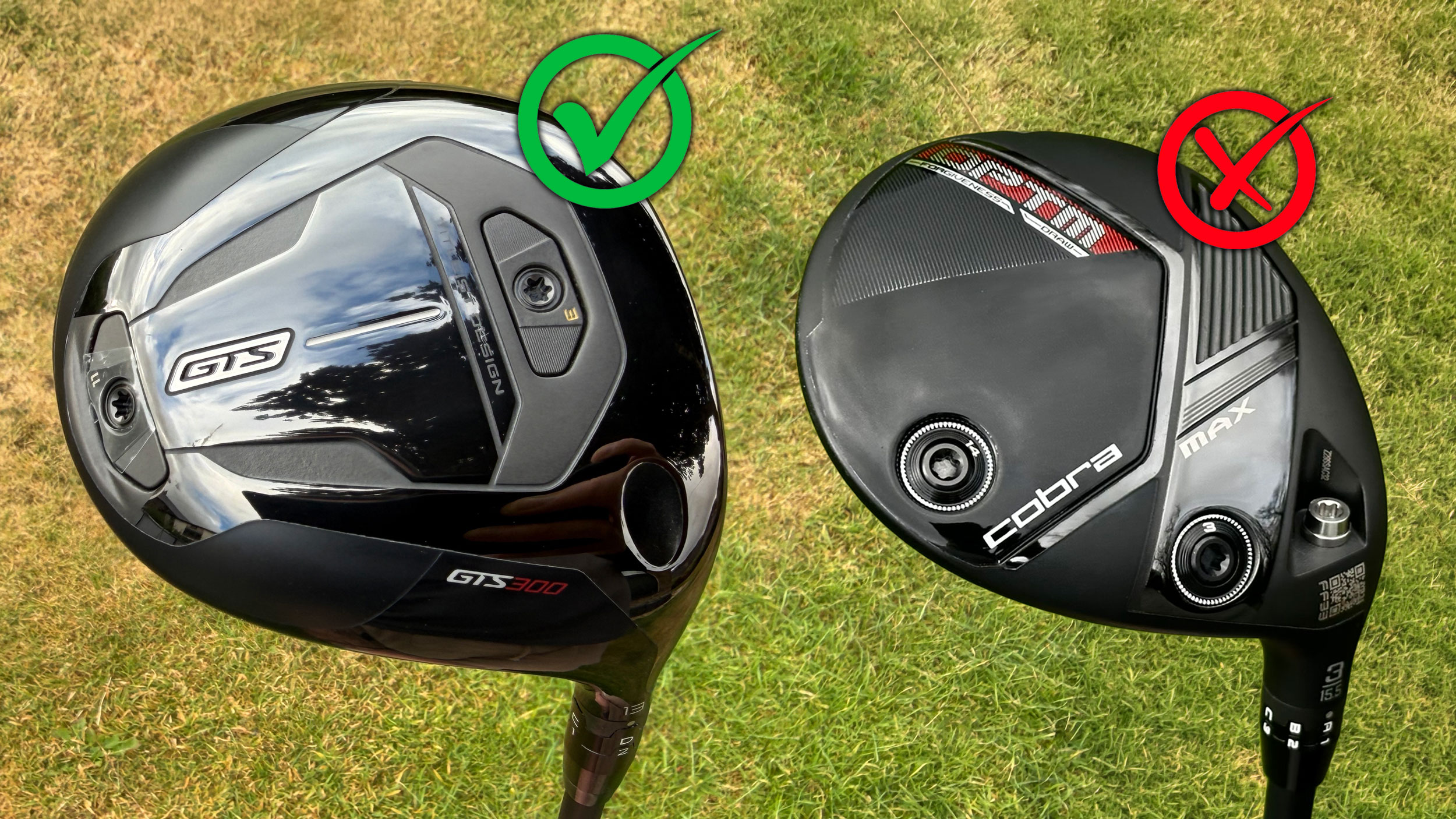 Golf Monthly Forum Debate: Is The Mini Driver Finally Replacing The 3-Wood For Mid-Handicappers?
The Golf Monthly forum has had its say on the well-known debate around this crucial spot in the top end of the bag. Will it help sway your final decision?


