Sponsor Content Created With

Understanding PING Onset Putter Technology: A Solution To Face Rotation Anxiety
PING introduced Onset Technology to a select few Scottsdale TEC putters to help those battling with face rotation inconsistency and also increase aim awareness

Ping Onset Technology is an engineering design implemented on some of the new Scottsdale TEC putters that places the putter shaft near the center of the club head, set back behind the face and in front of the center of gravity (CG). This onset design pulls the putter through the stroke, maximizing stability and providing a full-face view of the ball at address.
TL;DR: Onset geometry places the shaft axis in front of the putter's center of gravity, meaning the club is pulled rather than pushed through the stroke. This pulling dynamic delivers exceptional stability and the forgiveness of a mallet while preserving feel. Designed specifically for golfers struggling with inconsistent putting, poor face control, or those seeking a low-torque alternative to calm their hands, the Onset hosel position is featured exclusively in the Scottsdale TEC Ally Blue Onset and Ketsch Onset models.

The Ketsch (left) and Ally Blue (right) Onset putters in the Ping Scottsdale TEC range
The Industry Shift Toward Stabilized Face Angles
Modern putter design is rapidly shifting toward low-torque putter profiles to help golfers who struggle on the greens to keep their putting stroke simple and eliminate face rotation. Players struggling with poor face control and inconsistent putting are increasingly seeking equipment that naturally stabilizes the clubface during the stroke, and the Onset design in the Ping Scottsdale TEC range was developed to address that need.
What is the engineering geometry behind Ping's Onset design?
Ping's Onset design places the shaft near the center of the putter head, further behind the face of the putter, with the center of gravity behind the ball.
This structural shift in design from traditional offset hosels and shaft placement ensures that the mass of the putter trails the shaft axis. Due to the CG position sitting behind the shaft axis, the putter head is pulled through the impact zone rather than pushed. In the case of the Ally Blue Onset, this maintains the feel of a face-balanced putter suited to a straighter arc stroke. On the Ketch Onset putter, it provides a feel that suits slight arc strokes.
To optimize this performance, the lightweight 100% milled 6061 aluminium body and dense 304 stainless steel sole plate push weight low and to the perimeter, creating an extremely forgiving footprint with a high Moment of Inertia (MOI). This stable head design and soft Pebax insert help create consistent ball speeds off the face, even on miss-struck putts.

The Ping Scottsdale TEC Ketsch Onset putter
How Does Onset Geometry Keep Hands Calm During the Stroke?
Onset geometry keeps the hands calm by forcing the putter's center of gravity to trail the shaft axis, creating a natural anchor that reduces torque on the putter head, resisting twisting and rotating and attempting to keep the face square to the path throughout the stroke.
Why does pulling the CG improve stability?
When the CG is located behind the shaft, the putter is naturally pulled through the stroke, largely preventing the face from moving or being manipulated off target.
Does a low-torque setup remove tactile feel?
One of the key design features of onset putters is that the design stabilizes the stroke while providing a similar torque profile to a traditional straight or slight arc blade model. Furthermore, the integration of a one-piece Pebax insert delivers a soft yet responsive tactile feel that ensures consistent distance control without feeling dead off the face.

The Onset technology helps reduce face rotation and clubface awareness
Which Models In The Range Feature Onset Technology?
The Ping Scottsdale TEC lineup features three distinct models that utilize the cleverly designed Onset technology - the Ally Blue Onset, the Ally Blue Onset CB, and the Ketsch Onset. Out of the three models, the Ally Blue Onset would be the best option for straight-arc players. It provides a confidence-inspiring mallet profile weighing 370 grams, delivering the extreme forgiveness of a mallet while preserving the clean, dynamic feel of a traditional blade.
For those who need even more stability, Ping offers the Ally Blue Onset CB. This counter-balanced variation provides additional mass optimization to help players seamlessly pull the center of gravity through impact.
Players with a slight-arc stroke who want to eliminate a large amount of face rotation can opt for the Scottsdale TEC Ketsch Onset. It weighs in at just less than 350 grams and is great for high-pressure situations, combining Ping's new Eye Q gaze-anchoring dot with three prominent alignment lines extending across the back of the putter, making accurate aim incredibly easy.

The Ally Blue Onset putter
If you’re a golfer who becomes tense and anxious on the greens, then the Onset technology featured in the Ping Scottsdale TEC range could be your answer to holing more putts and lowering your scores.
-
 Biltmore Championship Asheville Tee Times: Final Round
The tee times and pairings for the final round of the first FedExCup Fall event of the PGA Tour season
-
 Manuel Elvira Facts: 10 Things To Know About The DP World Tour Pro
Find out more about DP World Tour professional Manuel Elvira with these facts


-
 The Expensive Golf Equipment That Is Really Worth Your Money
Equipment testers Dan Parker and Joe Ferguson talk about some of their favorite pricey products that fully justify the expense
-
 This Unique Launch Monitor Not Only Tells You What Happened During Your Swing, But Why
The days of launch monitors spitting out numbers and putting the onus on you to determine what they mean may be over courtesy of the NeoPace G10 Pro.
-
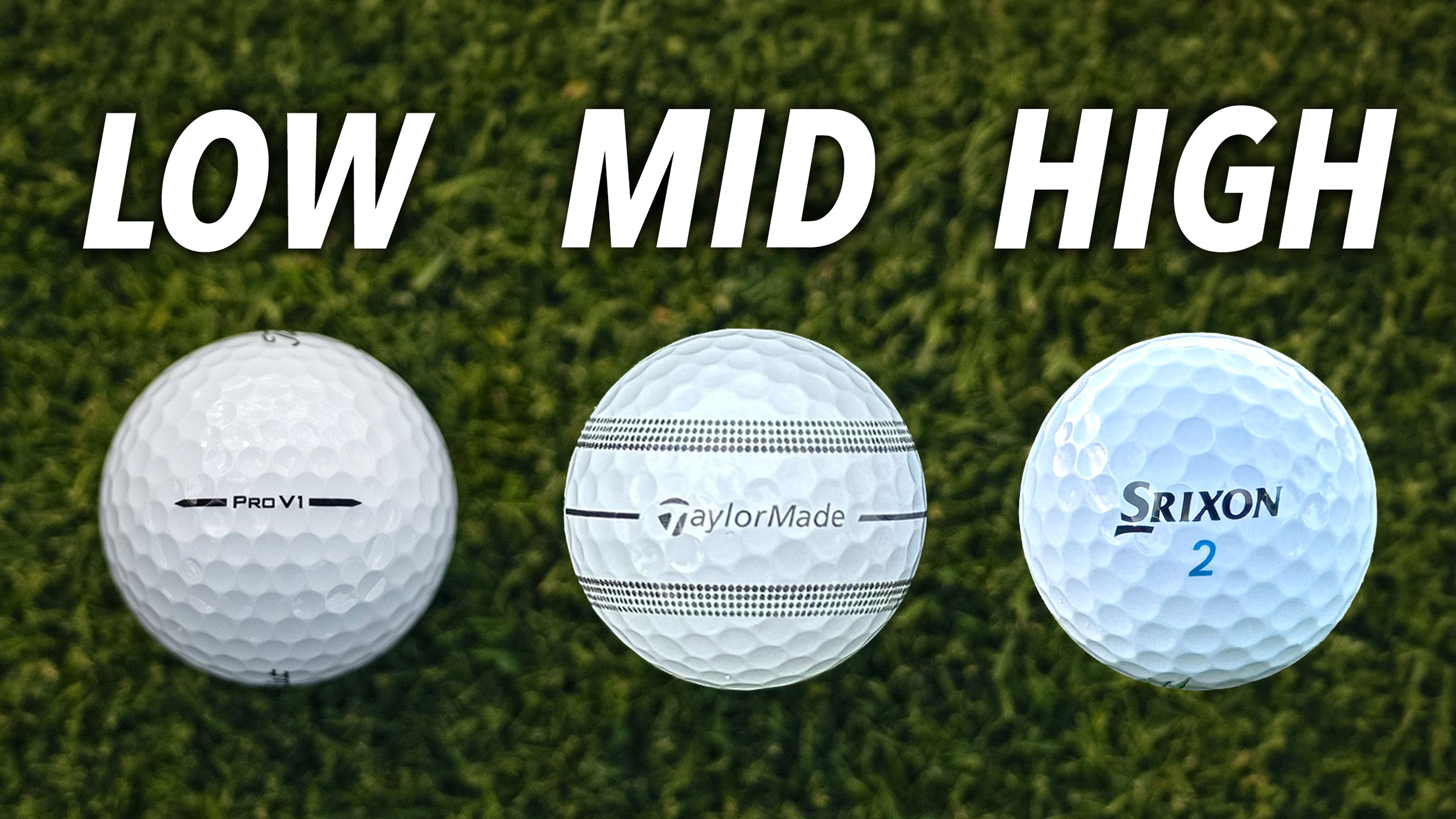 Are You Playing The Right Golf Ball? Our Experts List Their Preferred Options For Every Handicap Range
It's essential to play with a golf ball that's suitable for your game, so our team of gear gurus has put together a list of favourites in each category
2 Comments -
 This Unreleased Driver Is Chalking Up Massive Tour Wins... But When Can You Get It?
Major champions like Ryan Fox and Shane Lowry are putting Srixon's unreleased driver straight into play - here’s when full specs drop and when you can get fitted…
-
 Golf Monthly Forum Debate: Should You Try Direct-to-Consumer Clubs?
The attractive prices mean they are growing in popularity but what are the drawbacks and are they right for your bag?
3 Comments -
 Irons Vs Hybrids Vs Fairway Woods Vs Wedges – How Many Of Each Should You Carry?
Are you struggling to work out how many of each type of club you should carry? There are basic principles to keep in mind
-
 Switching Into Ping's Scottsdale TEC Ally Blue Onset Helped Wyndham Clark Lead the 2026 Tour Putting Stats... Here's How It Happened
With three victories in 2026 including a major championship, Wyndham Clark has enjoyed a stellar season thanks to his switch into the Ping Scottsdale TEC Ally Blue Onset putter
-
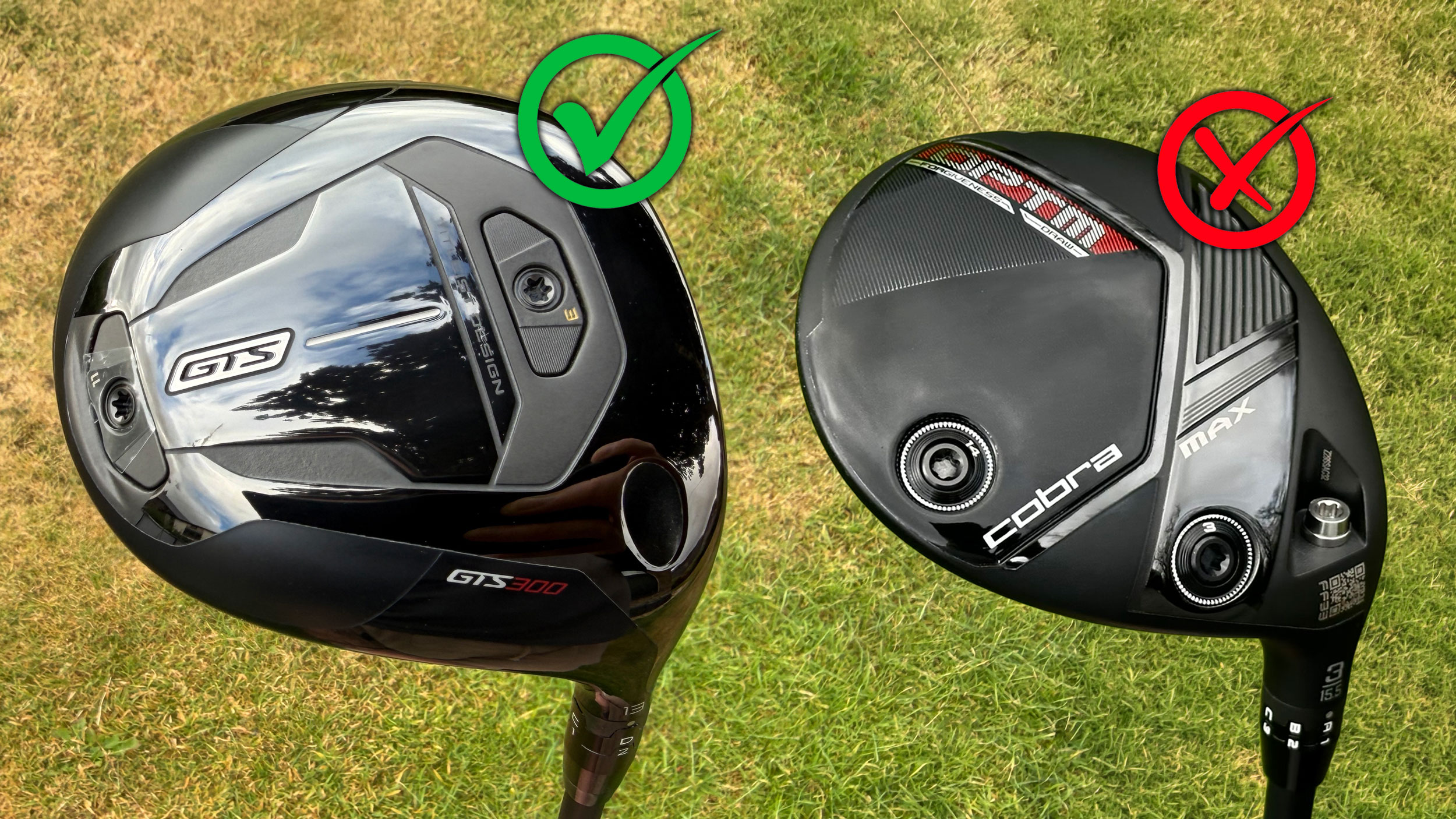 Golf Monthly Forum Debate: Is The Mini Driver Finally Replacing The 3-Wood For Mid-Handicappers?
The Golf Monthly forum has had its say on the well-known debate around this crucial spot in the top end of the bag. Will it help sway your final decision?


