Sponsor Content Created With

Inside Wyndham Clark’s Bag: The Major-Winning Technology Behind PING Onset Mallets
What putter did Wyndham Clark use to win the US Open and how could its design benefit your game? We explain everything you need to know

Throughout the 2025 season and even into the start of 2026, Wyndham Clark had lost his way. The 2023 US Open champion was struggling with his game and had slipped down the world golf rankings to 75th off the back of two missed cuts heading into the first major of the year.
Then things started to turn around at Augusta National. Why? He switched into a Ping Scottsdale TEC putter. What followed was a succession of high finishes, a record-breaking win at the CJ Cup Byron Nelson and then a second US Open title.
TL;DR: Wyndham Clark’s switch to a Ping Scottsdale TEC Ally Blue Onset putter was a big contributing factor in an improvement in form and confidence on the course that culminated in him winning the 2026 US Open at Shinnecock Hills.

What putter does Wyndham Clark use?
Wyndham Clark uses a counterbalanced version of the Ping Scottsdale TEC Ally Blue Onset putter. It has several strips of lead tape totalling 13g on the bottom that virtually cover the sole as well as a 17g tip weight in the shaft to counterbalance the weight of his long, oversize Superstroke Revl Mid F/C grip. It measures 38-inches in length, has 3 degrees of loft and a 70-degree lie angle.
Why does Wyndham Clark use a PING Onset putter?
“Since switching to the Ping Scottsdale TEC Ally Blue Onset putter in April, I’ve seen significant improvement in my putting and I credit the new putter for helping me get back in the winner’s circle,” Clark said.
“The white finish first got my attention and when I started rolling putts with it, it set up easily and gave me immediate confidence. I’d never used a putter with onset before, so it was a new look for me that really matches my eye. The onset combined with the top-rail dot simplifies alignment and my consistency has improved. I’m sinking more long putts than ever.”

Just weeks after adding the Ping Scottsdale TEC Ally Blue putter to the bag, Clark fired a final round of 60 to win the CJ Cup Byron Nelson by three shots. He made 13 putts over 10 feet for the week and was first in Strokes Gained: Putting, picking up an incredible 12.565 shots on the field.
Then at the US Open, where he matched the lowest score in a U.S. Open held at Shinnecock Hills, he led the field in putts made from over 20 feet with five and was fourth in putting overall for the week.
How does the PING Ally Blue Onset help improve putting performance?
The Scottsdale TEC putters are distinguished by a white finish and Eye-Q alignment technology. The new alignment feature was inspired by eye-tracking research known as Quiet Eye. It provides a distinct focal point on the top rail of the putters. By combining a focal point with a long alignment line, the design helps naturally quiet the player’s eyes before the stroke, making it easier to center and maintain a stable gaze at the critical moment.
The Scottsdale TEC Ally Blue putter is engineered with an onset shaft position, which places the shaft near the center line of the putter head, behind the top rail and ahead of the CG to provide golfers with a full-face view of the ball at address.

What makes the PING Ally Blue Onset suitable for pressure putting?
The center of gravity (CG) in every Scottsdale TEC putter is positioned behind the shaft axis to ensure it is pulled through the stroke for stability and less twisting. This preserves the torque and dynamic feel of the putter and allows for stroke-type fitting to match a golfer’s needs.
The onset design of the Ally Blue Onset means the shaft sits behind the face, allowing a clear view of the ball while providing the forgiveness of a mallet for better performance from every distance. The longer grip gives players the option to grip down farther, which adds stability during the stroke.

What can amateur golfers learn from Wyndham Clark's PING putter?
There are four key takeaways from the way Wyndham Clark approaches his putter that amateur golfers could learn from and implement in their own games to improve their performance on the greens.
1. Don't Be Scared of Counterbalancing
Golfers often struggle with a twitchy wrist action or poor tempo on short putts. One way to fix this is and improve your rhythm is to move into a counterbalanced configuration - using a longer putter length with a heavier grip and head. This shifts overall mass higher up into your hands while the added total weight acts as an anchor, making it physically more difficult for small wrist muscles to break down.
2. Putter Alignment Isn't Just About Lines
One of the key reasons Clark fell in love with his PING putter was its Eye-Q alignment system. Most amateurs pick a putter based purely on head shape (blade vs. mallet), ignoring how their eyes react to the crown graphics. If a putter top-rail is too busy, your eyes dart around creating micro-tensions right before you take the club back. Look for putters with a clear visual anchor point that calms your gaze, like on the Ping Scottsdale TEC putters.

3. Onset Designs Can Negate Your Aim Bias
Unlike standard offset putters (where the shaft enters in front of the face) or traditional center-shafted mallets, Clark’s putter utilizes an onset configuration where the shaft enters behind the leading edge. Offset dictates how your eyes view the ball at address.
Traditional offset putters can cause certain players to misread their face angle or point the face too far left. An onset profile gives an unobstructed view of the ball and face, making it far easier for right-eye dominant golfers or those that tend to miss left to aim square.
4. Lead Tape Can Help With Feel
Even after finding a head shape he liked, Clark added strips of lead tape across the sole to increase the head weight of the putter even further to suit his counterbalancing style. As always, there is a lot of nuance in this technique and using lead tape is a simple and cost effective way to alter both the head weight and overall weight in very small increments.
Adding weight to the club head also keeps the center of mass low, which is good for producing a more optimum launch with a truer roll, as well as making the head more stable on off-center hits. This will improve distance control when putting from long range.
-
 Jacob Bridgeman Claims Second PGA Tour Title Of Season With Two-Shot Victory At Biltmore Championship
The 26-year-old followed his Genesis Invitational triumph with another PGA Tour victory after a brilliant final round in Asheville
-
 Joaquin Niemann Reveals He Has Yet To Commit To LIV Golf 2.0
The nine-time LIV Golf winner has confirmed he has yet to commit his long-term future to the circuit


-
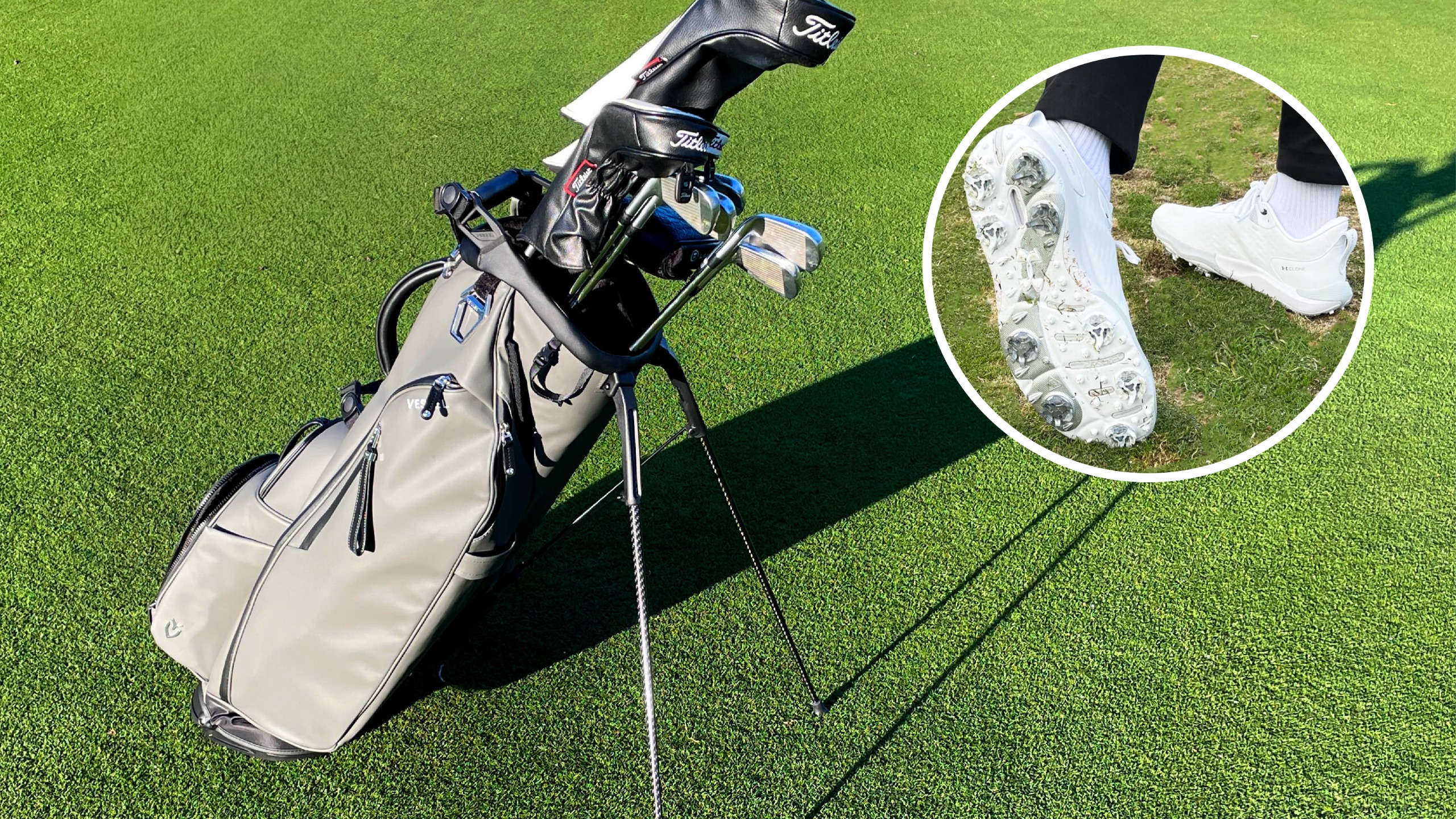 The Expensive Golf Equipment That Is Really Worth Your Money
Equipment testers Dan Parker and Joe Ferguson talk about some of their favorite pricey products that fully justify the expense
-
 This Unique Launch Monitor Not Only Tells You What Happened During Your Swing, But Why
The days of launch monitors spitting out numbers and putting the onus on you to determine what they mean may be over courtesy of the NeoPace G10 Pro.
-
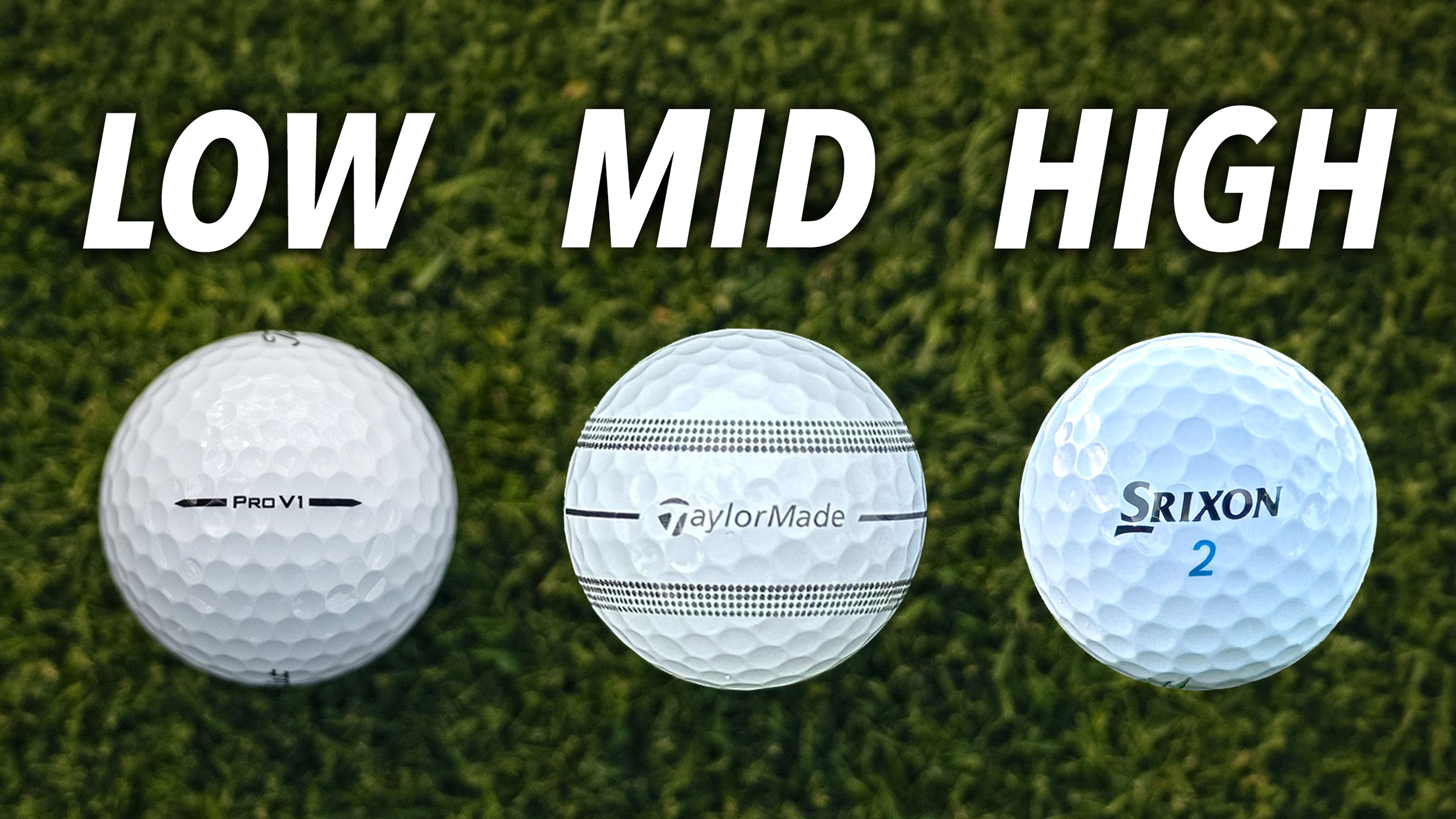 Are You Playing The Right Golf Ball? Our Experts List Their Preferred Options For Every Handicap Range
It's essential to play with a golf ball that's suitable for your game, so our team of gear gurus has put together a list of favourites in each category
2 Comments -
 This Unreleased Driver Is Chalking Up Massive Tour Wins... But When Can You Get It?
Major champions like Ryan Fox and Shane Lowry are putting Srixon's unreleased driver straight into play - here’s when full specs drop and when you can get fitted…
-
 Golf Monthly Forum Debate: Should You Try Direct-to-Consumer Clubs?
The attractive prices mean they are growing in popularity but what are the drawbacks and are they right for your bag?
3 Comments -
 Irons Vs Hybrids Vs Fairway Woods Vs Wedges – How Many Of Each Should You Carry?
Are you struggling to work out how many of each type of club you should carry? There are basic principles to keep in mind
-
 Switching Into Ping's Scottsdale TEC Ally Blue Onset Helped Wyndham Clark Lead the 2026 Tour Putting Stats... Here's How It Happened
With three victories in 2026 including a major championship, Wyndham Clark has enjoyed a stellar season thanks to his switch into the Ping Scottsdale TEC Ally Blue Onset putter
-
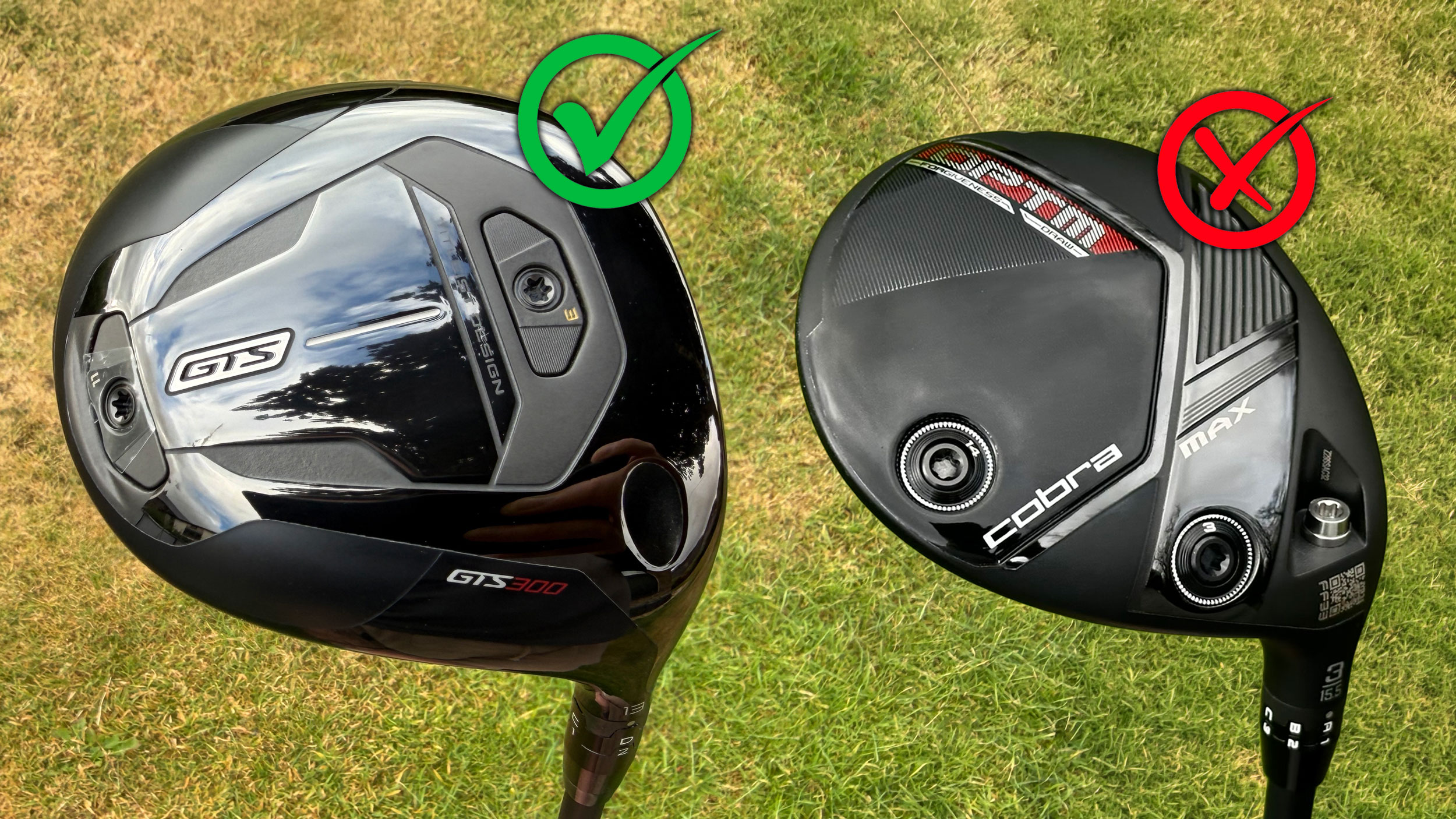 Golf Monthly Forum Debate: Is The Mini Driver Finally Replacing The 3-Wood For Mid-Handicappers?
The Golf Monthly forum has had its say on the well-known debate around this crucial spot in the top end of the bag. Will it help sway your final decision?


