Sponsor Content Created With

How To Correctly Match A Mallet Putter To Your Natural Stroke Type
Picking a putter that matches your natural stroke pattern is one of the most important decisions that amateur golfers can often overlook

Determining your putting path and stroke type, and matching them with the corresponding flatstick model, allows golfers to utilise their natural stroke arc to help eliminate variables and start putts on line more consistently.
TL;DR: The Ping Scottsdale TEC putters vary in shape and offer different shaft and hosel positions to cater for all stroke types. Golfers can use the updated WebFit Putter app to find the Ping putter that best fits their game.
Identifying Your Putting Stroke
Your putting stroke will be within one of the following three categories:
Straight-Back, Straight-Through (SBST)
The putter travels directly away from the ball and continues forward along a straight path, with minimal face rotation.
Slight Arc
The putter moves gently inside the target line during the backswing, returns square at impact, and follows a subtle inward arc after contact.
Strong Arc
This stroke features more noticeable face rotation, with the putter moving significantly inside the target line during both the backswing and follow-through.
When it comes to the perfect putter fitting session, Ping’s online WebFit tool guarantees your specific putting stroke is matched to a stable, premium mallet built for performance.
How Does Ping’s WebFit Putter App Work?
Built on advanced golf research and years of putter-fitting expertise, Ping’s WebFit Tool helps golfers identify the models that best suit their stroke, setup, and personal preferences by answering questions via an online questionnaire.
In under two minutes, you’ll receive a ranked selection of recommended putters, along with comparison tools designed to make choosing your next putter simple and informed.

What Will You Be Asked On The Ping WebFit App?
What’s Your Average Score? This helps Ping begin to create your putter-fitting profile using its proprietary algorithms. Less-skilled players might putt better with more-forgiving, stable putters.
Which design features help you aim best? Ping designs offer varied alignment features to aid with aim and setup consistency. When making your selection, trust your instinct.
Do you have a directional miss tendency? Off the putter face, the ball’s starting path is determined 90% by the face angle at impact. Ping can influence starting direction with Stroke Type - for example strong arc putters are delivered with a significantly more open face angle than straight arc/face balanced putters. Ping uses this question to match you to a stroke type that negates your miss tendency.
What's your size preference? Beginners and high-handicap players tend to fare better with mallet or mid-mallet designs because they have more stability and therefore protect off-center impacts, improving speed control.
What's your putter feel preference? Ping engineers its putters with a variety of feel options using milling techniques, inserts, and other technologies to match your preference.
What's your putter head weight preference? Ping research shows lighter putters are better for golfers with a faster tempo and can help improve touch on long putts, while heavier putters are better for slower stroke tempos and can improve start-line consistency on shorter putts.

What Ping Scottsdale TEC Putters Are Right For Your Stroke?
The Scottsdale TEC (Tour Elevated Concepts) putters were developed using eye‑tracking research rooted in a visual performance philosophy known as Quiet Eye - how golfers visually engage with the putter before the stroke.
In putting, Quiet Eye describes the duration of a player’s final gaze fixation on the ball, with longer durations consistently linked to higher skill and better performance. Ping engineers tested multiple alignment prototypes while golfers wore Tobii eye‑tracking glasses. This enabled precise measurement of where, how long, and how consistently players focused their attention.
The data revealed that certain alignment designs better stabilised gaze and extended Quiet Eye duration, directly leading to stronger visual control and improved putting performance.
Should I Use The Ping SCOTTSDALE TEC ALLY BLUE ONSET PUTTER?

This 370-gram onset mallet putter, with its center of gravity placed behind the shaft axis, ensures the CG is pulled through the stroke for stability and reduced twisting while preserving the torque and dynamic feel of a straight-stroke model. It is aimed at golfers with a straight arc stroke.
The Scottsdale TEC Ally Blue putter’s onset shaft position provides a full-face view of the ball to square the face easier and relies on Eye Q alignment technology to help stabilise and center your gaze prior to stroking a putt.
Common Mistake: The putter may feel less natural for slight or strong-arc players because its stable, straight-stroke design limits face rotation. That can make it harder to square the putter consistently, especially for golfers who rely on more toe flow through impact.
Should I use the Ping SCOTTSDALE TEC KETSCH ONSET PUTTER?

This 350-gram onset model designed for slight arc putting strokes features the same CG placement while preserving the torque and dynamic feel of a slight-arc model. Its PEBAX insert helps ensure a soft feel and consistent distance control.
Common Mistake: Players with a straight stroke may find it rotates too freely, while strong-arc players may not get enough toe flow to match their natural movement.
Should I Use The Ping SCOTTSDALE TEC HAYDEN PUTTER?

The Hayden full-shaft-offset putter combines a heel-shafted orientation to suit straight arc putting strokes with a long alignment line to draw the eye forward. A highly forgiving model for more accuracy that can be custom-built for loft and lie angle.
Common Mistake: Players with a strong arc may find that it lacks the toe flow needed to match their natural stroke, making it harder to square the face consistently.
Should I Use The Ping SCOTTSDALE TEC KETSCH 4 PUTTER?

The greater toe hang of the heel-shafted Scottsdale TEC Ketsch 4 is designed to fit a strong-arc player. The forgiving mallet design weighs 365g and can be custom-built to fit your loft and lie needs.
Common Mistake: Players with straight or slight-arc strokes may find the face rotates too much, making it harder to return square at impact.
Should I Use The Ping SCOTTSDALE TEC ALLY BLUE H PUTTER?

The Scottsdale TEC Ally Blue H’s Anser-style hosel visually complements the square footprint of the design that best fits a slight-arc stroke. The 370g, this highly forgiving model can be custom-built to your preferred loft and lie.
Common Mistake: Straight-stroke players may experience unwanted rotation, while strong-arc players may find it does not release enough.
Head over to the Ping WebFit tool to dial in the Scottsdale TEC putter most suited to your characteristics.
-
 BMW PGA Championship Tee Times 2026: Round Two Pairings
All of the start times and groups for Friday's second round at Wentworth
-
 PGA Tour Makes Controversial Preferred Lies Call For Biltmore Championship
The PGA Tour announced even before the start of the Biltmore Championship that preferred lies would be in operation for the entire duration of the tournament


-
 This Unique Launch Monitor Not Only Tells You What Happened During Your Swing, But Why
The days of launch monitors spitting out numbers and putting the onus on you to determine what they mean may be over courtesy of the NeoPace G10 Pro.
-
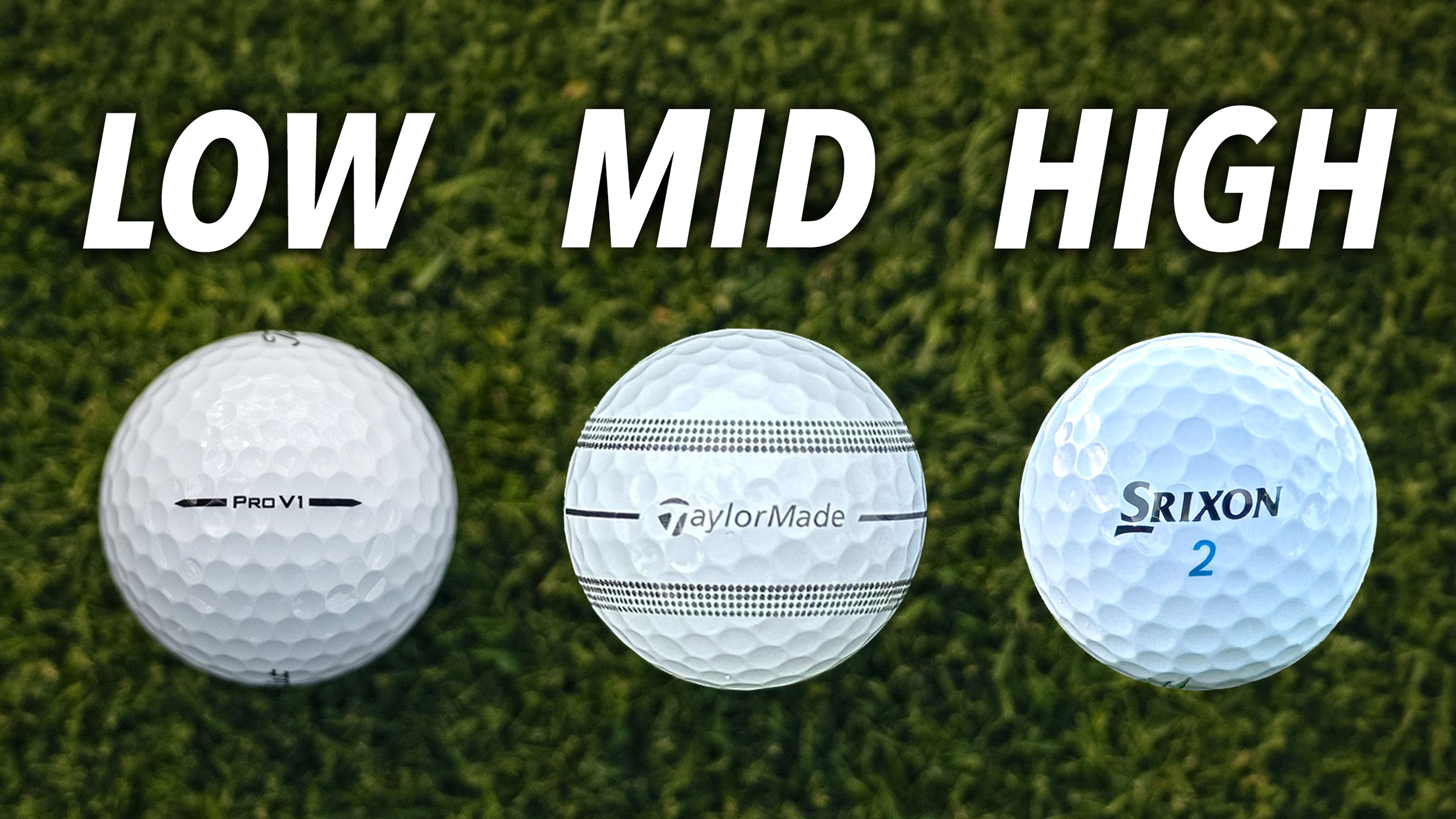 Are You Playing The Right Golf Ball? Our Experts List Their Preferred Options For Every Handicap Range
It's essential to play with a golf ball that's suitable for your game, so our team of gear gurus has put together a list of favourites in each category
2 Comments -
 This Unreleased Driver Is Chalking Up Massive Tour Wins... But When Can You Get It?
Major champions like Ryan Fox and Shane Lowry are putting Srixon's unreleased driver straight into play - here’s when full specs drop and when you can get fitted…
-
 Golf Monthly Forum Debate: Should You Try Direct-to-Consumer Clubs?
The attractive prices mean they are growing in popularity but what are the drawbacks and are they right for your bag?
3 Comments -
 Irons Vs Hybrids Vs Fairway Woods Vs Wedges – How Many Of Each Should You Carry?
Are you struggling to work out how many of each type of club you should carry? There are basic principles to keep in mind
-
 Switching Into Ping's Scottsdale TEC Ally Blue Onset Helped Wyndham Clark Lead the 2026 Tour Putting Stats... Here's How It Happened
With three victories in 2026 including a major championship, Wyndham Clark has enjoyed a stellar season thanks to his switch into the Ping Scottsdale TEC Ally Blue Onset putter
-
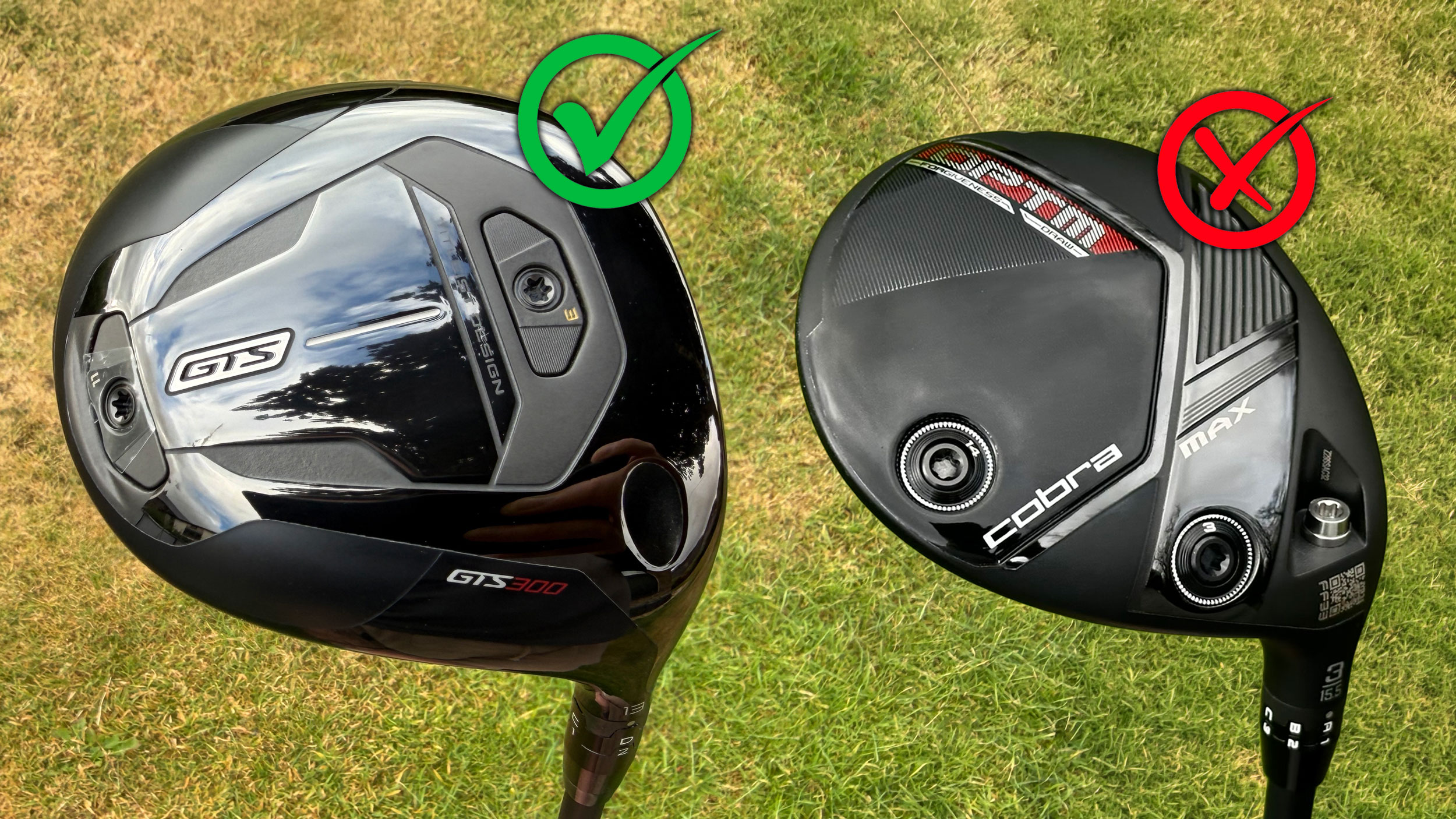 Golf Monthly Forum Debate: Is The Mini Driver Finally Replacing The 3-Wood For Mid-Handicappers?
The Golf Monthly forum has had its say on the well-known debate around this crucial spot in the top end of the bag. Will it help sway your final decision?
-
 The 9 Oldest Clubs The Golf Monthly Team Still Use Today
We all love modern technology, but there are some GM team members who haven't been able to replace certain trusty clubs...
4 Comments


