Sponsor Content Created With

What Goes Into A Ping Custom Fitting?
Discover how and why Ping is setting the standard when it comes to finding the right clubs for your game.


When you’re spending your hard-earned cash on new clubs, it’s important to know that you’re making the right decisions. The simplest way to do that is to have a custom fitting to ensure you identify the clubs, specifications and total bag set-up that will optimise your strengths, minimise your weaknesses, and help take your performance and enjoyment to the next level.
Ping is one of the very best when it comes to offering a range of clubs to suit all kinds of golfers, and helping you find the right equipment. In this article and video, Paul Rymer, a supervisor at Ping’s state-of-the-art European Fitting Centre in Gainsborough, and an experienced fitter who has spent years working on Tour and fitting handicap golfers, describes what goes into a market-leading Ping custom fitting.
What does a full Ping fitting involve?
“We want to see what you do with your clubs, so we’ll measure the loft and lie of your 7-iron, then get some shot data with to see what you’re doing. It might be that you hit them well and we’re not needing to do an awful lot of change, it might be that we can see a lot of inconsistencies that we can really dial into to get you hitting the ball as well as you can.
“It starts with what you as a golfer feel like you want to get from a new set of clubs. Do you feel like you’re losing a little bit of distance? Are you missing greens with a 7-iron? Are you trying to get a more consistent ball flight? There are lots of things that we would look at, and lots of questions we’re going to ask you about what you want to achieve with your new clubs.”

What order do you look at the clubs in, and why?
“I like to do the irons first, then look at driver, and then fill the middle in where we go from driver to your longest iron. Then do the wedges, and then have a look at the putter. Whatever shaft we fit you in the irons is a little bit of a clue with where we would start with driver, but until we see you hit the driver, we always keep a very open mind, whether that’s on loft, shaft, weight or flex. But irons are a good clue as to where we’re going to start.”

How do you decide which clubs to use between driver and longest iron?
“Ping Co-Pilot is going to help us with that. A few questions around the golf course you play, a lot of it comes down to whether you can reach par-5s in two, length of your par-3s, the size of the greens. That will all come into it and help us decide if you need a long iron, hybrid or lofted fairway wood. If you’re someone who plays on a links course, the chances of you needing a 9-wood are pretty slim, because the wind is going to blow a lot. Likewise, if you play on an inland parkland course where you might have a lot of par-3s around 170 or 180 yards then a 9 or 7-wood is going to be a great club to hit into those.
“We’re always asking questions, because the Co-Pilot might say you should have a 4-iron, but how often are you going to use it? Do we need to swap that out for something like a hybrid that you might get more benefit from. The Co-Pilot has a great gapping app that allows us to swap clubs in and out, depending on what you as a player need or what the data tells us.”

What are the keys to a good wedge fitting?
“With the wedges, we always start with the most lofted first and ask a lot of questions around what you do with that club, what you do around the greens and how you play certain shots. I’d say that’s a bit less data driven, and we’d be out on the short game area giving you six or seven different types of shots to see how you play them. Some people play everything around the green with a lob wedge, a lot of people tend to use a 54° or 56°. There are a lot of questions around the conditions you play in, whether it’s tight fairways or does it get very wet in the winter.”
How do you make a putter fitting more scientific?

“Putter fittings are a lot to do with your arc type, closing angle, how you aim the putter and deliver loft, and your tempo. We have an app that looks at all that and gives you a putting handicap, which is a consistency score. Then we start looking at what we do with different toe hangs, or lengths or whether you need a mallet or a blade. You’ve got to like what you’re looking at and then we build it around there, whether you want a mallet or a blade.”

-
 Ultimate Solheim Cup Quiz: Can You Get 10/10?
Test your knowledge of the biennial USA vs Europe match with our ultimate Solheim Cup quiz
-
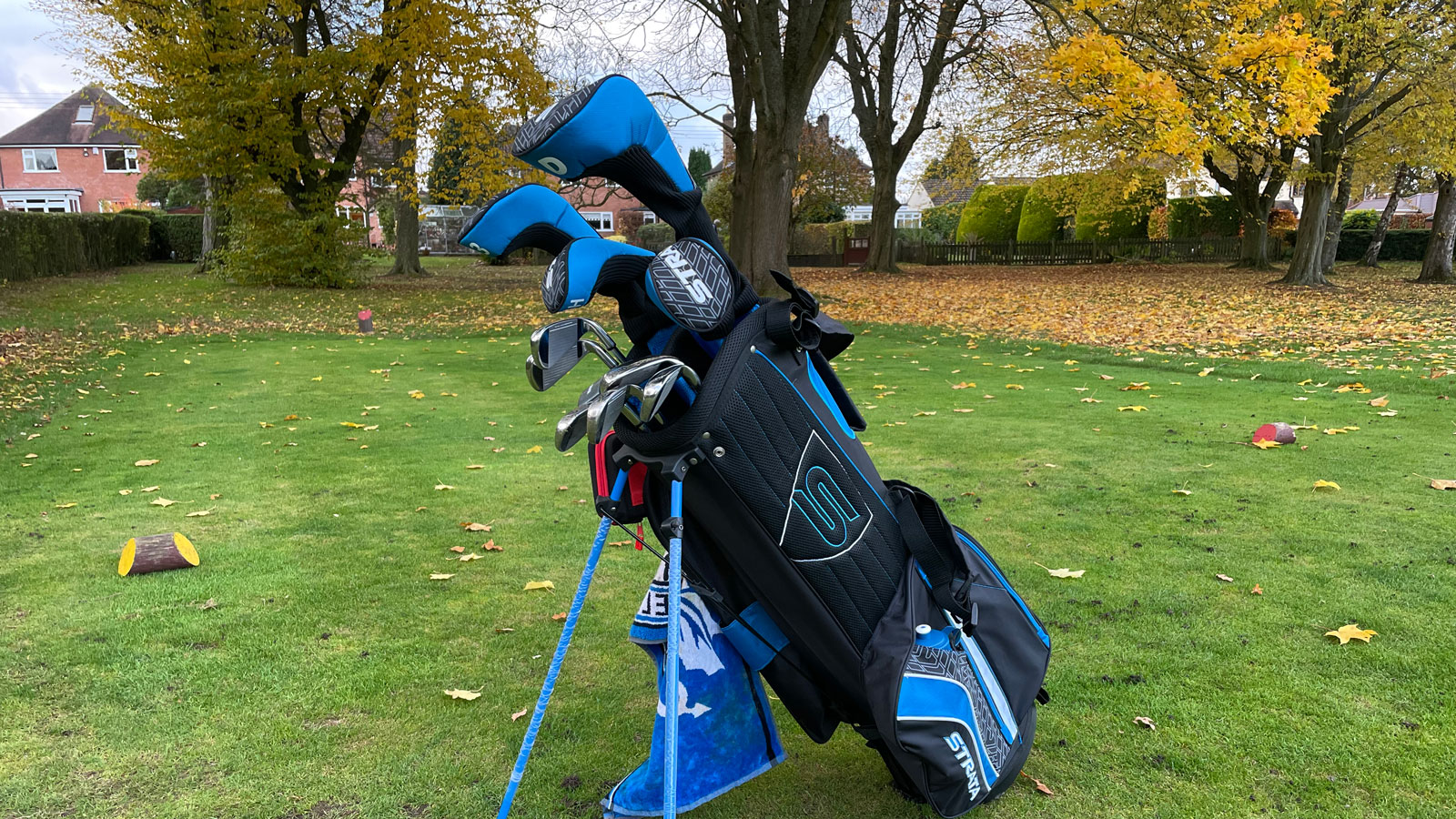 Act Fast: Amazon Slashes 25% Off Our Favorite Beginner Golf Set But The Deal Ends Tomorrow
If you're new to the game, buying clubs can often be a minefield. Our expert testers have done all the work for you - This Callaway starter set is one of the best and has $160 this Labor Day


-
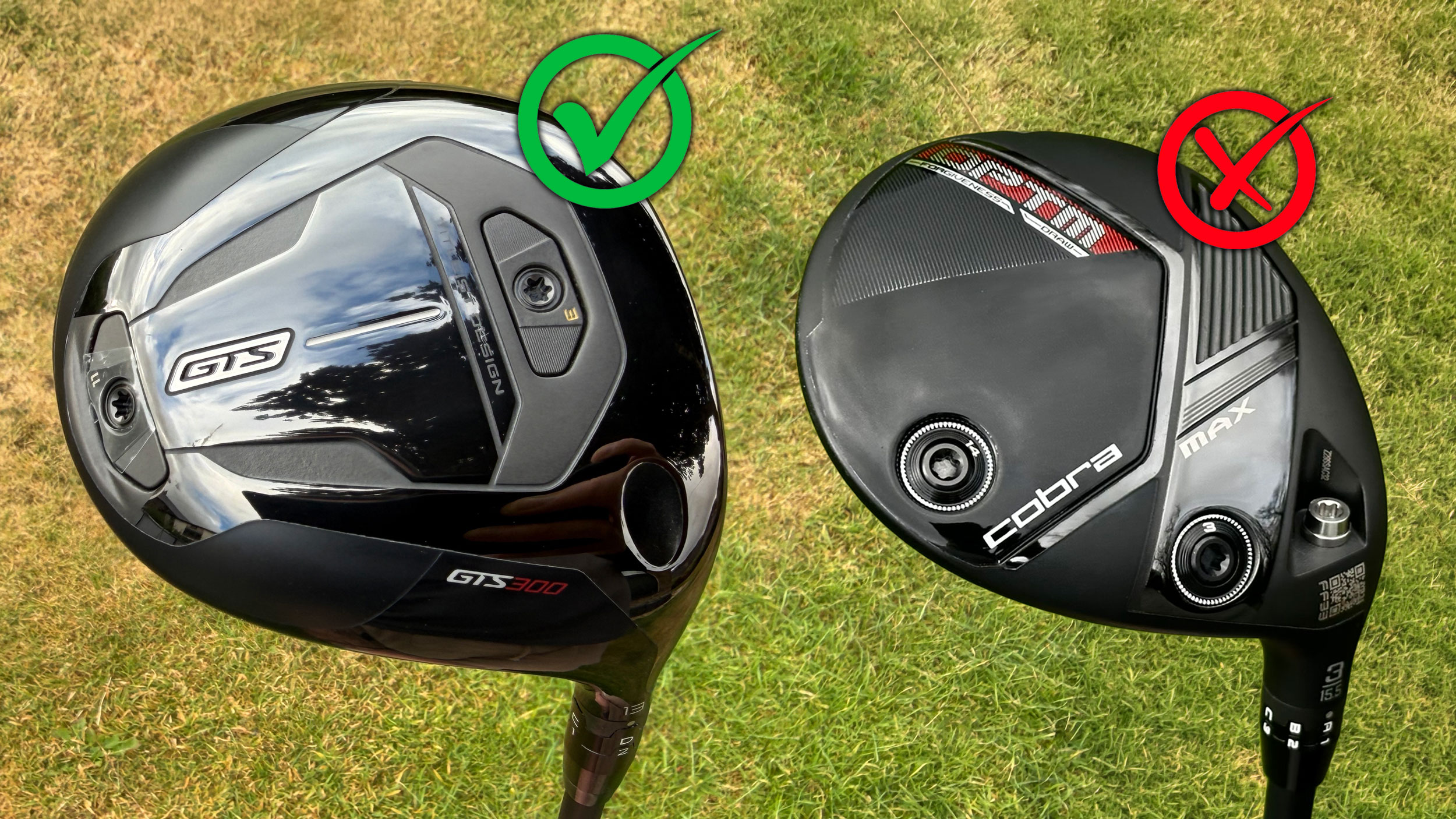 Golf Monthly Forum Debate: Is The Mini Driver Finally Replacing The 3-Wood For Mid-Handicappers?
The Golf Monthly forum has had its say on the well-known debate around this crucial spot in the top end of the bag. Will it help sway your final decision?
-
 The 9 Oldest Clubs The Golf Monthly Team Still Use Today
We all love modern technology, but there are some GM team members who haven't been able to replace certain trusty clubs...
4 Comments -
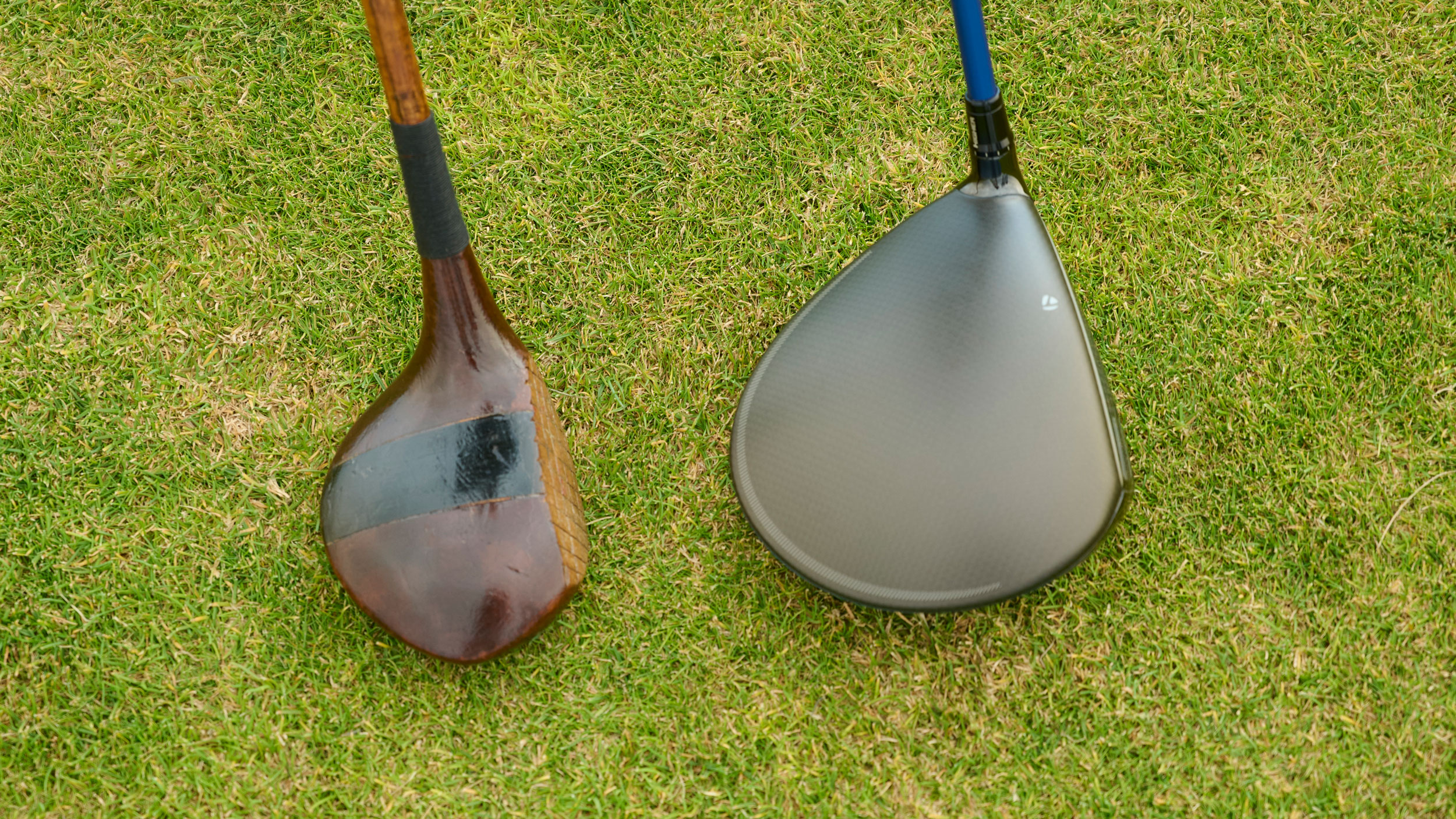 The 7 Most Important Innovations In The History Of Golf Equipment
Only a small number of innovations in the history of the sport can genuinely be regarded as 'game-changing' and we've narrowed it down to these...
5 Comments -
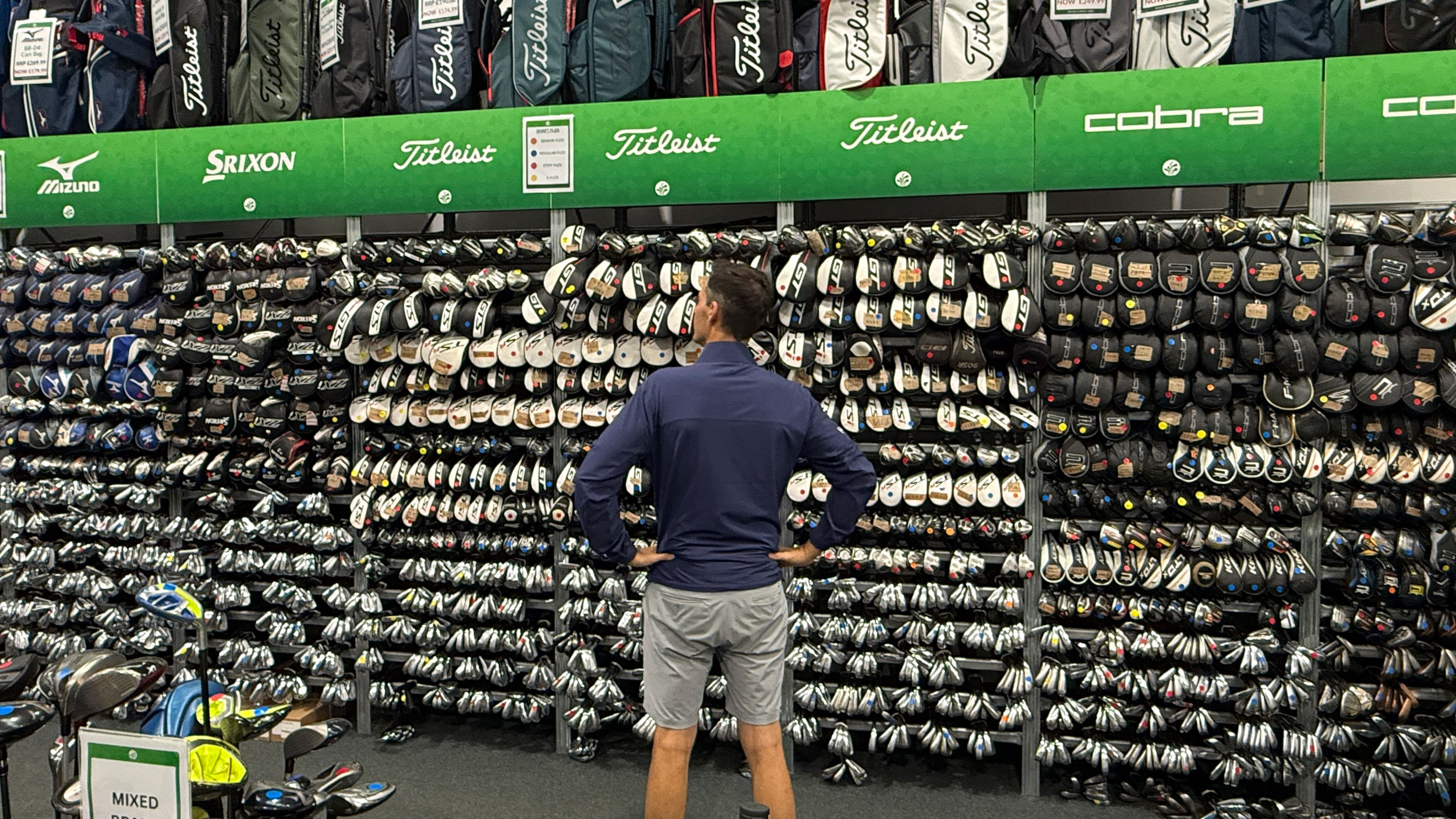 Broomsticks, Blades And Modular Mallets: Has Golf Equipment Marketing Gotten Out Of Hand?
From three simple categories to an overwhelming maze of tech jargon, even Tour Pros can't keep up. It's time for major manufacturers to cut the fluff and embrace simple, honest messaging...
-
 Are You Overspending On Custom-Fitted Irons?
Dan and Joe open another can of worms in this episode of Kick Point, one in which we discuss the merits of half sets - plus we're joined by an absolute legend of the game
2 Comments -
 I Used To Judge People With A 7-Wood. Now, It’s My Favourite Club
In the past, if I saw someone with a 7-wood, I’d make a determination about their golfing prowess without watching them play. Not anymore…
2 Comments -
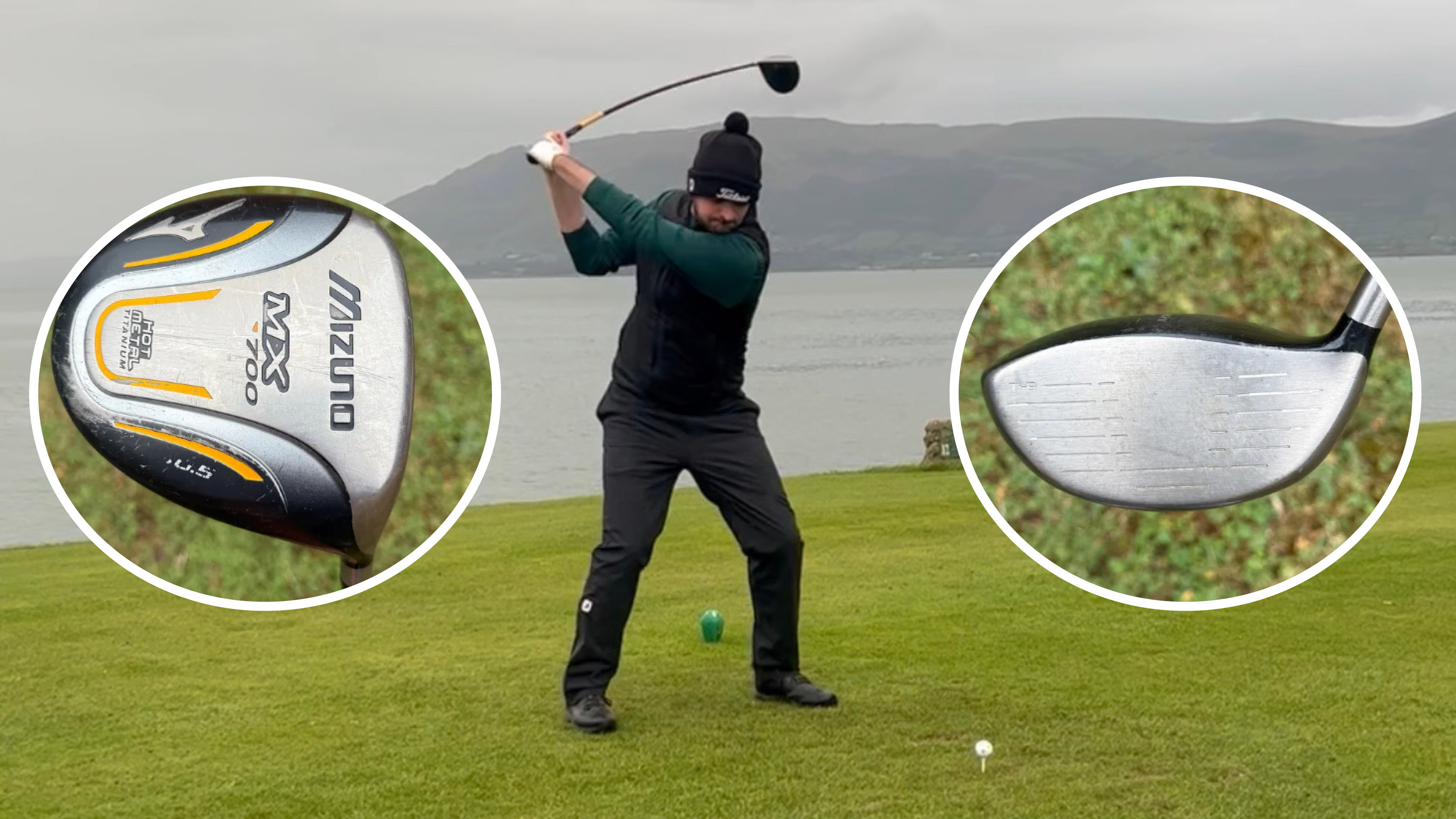 I've Tried All The Latest Tech But Nothing Beats My 2009 Driver
James Rogan on why his trusty Mizuno driver remains in the bag despite a raft of recent marquee releases in the category ever since
-
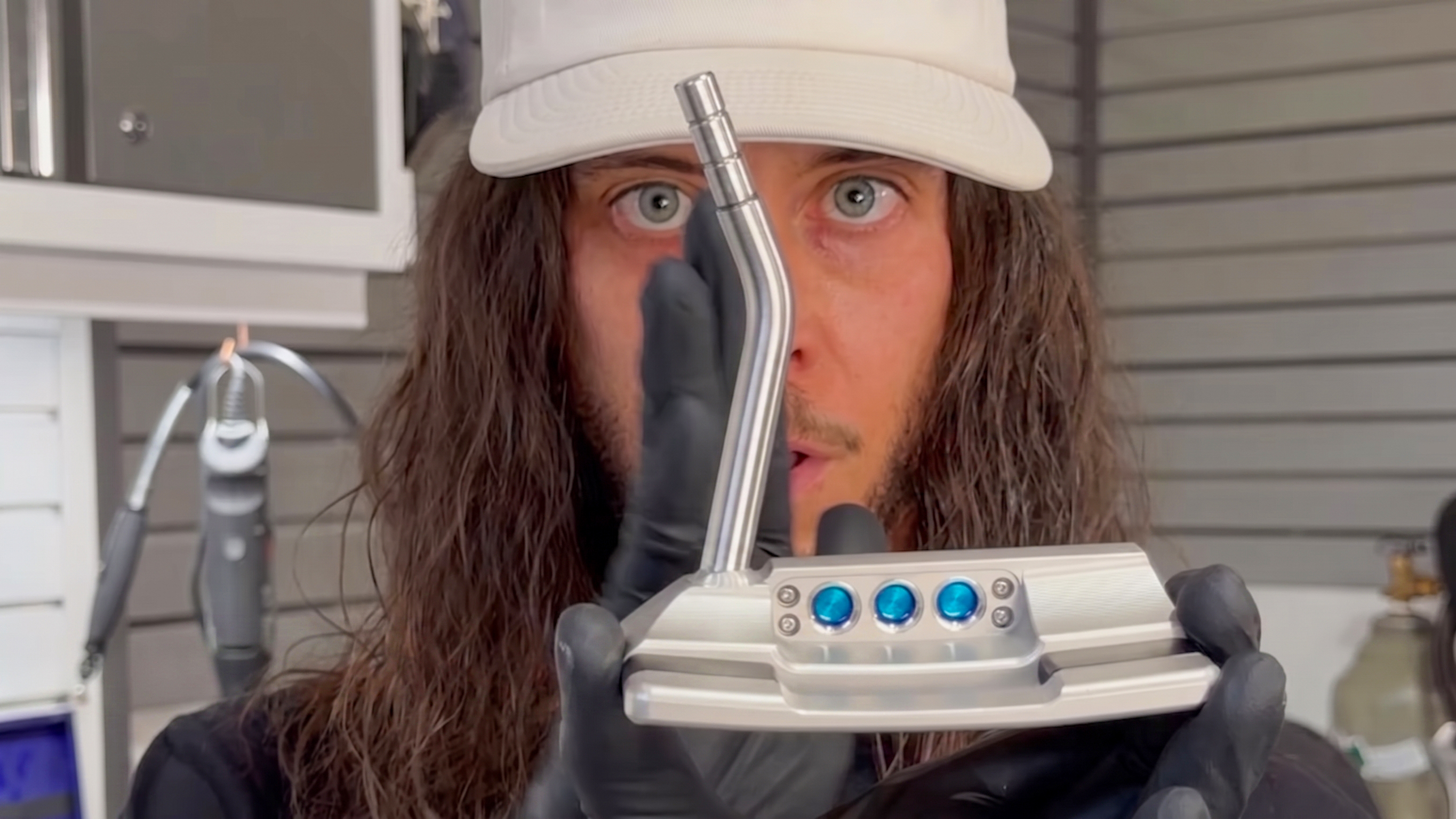 The Magician Of Metallurgy: Meet Rush Kane, Golf’s Latest Equipment Superstar
Equal parts precision engineer and metallurgical sommelier, Rush Kane is filling a massive void in elite club customization - and golf’s big brands ought to be paying attention.


