






Sponsored by

Par-Save Secrets: How To Build A Stroke To Sink More Putts
PGA Professional Katie Dawkins explains how to eliminate wrist action, lock in your alignment, and turn short putts into guaranteed pars


Becoming a goddess on the green is vital if your score is to survive. Frivolously wasting putts frustrates and often wastes the great shots you hit to get there. It’s time to take a stand and transform your putting.
Putting is the part of the game people practice the least, and you know what they say - you get out what you put in. Whether you are honing your stroke or pairing your technique with a club like the XXIO 14 putter, which is included in the XXIO 14 Package Set. Here’s some tips to transform your putting stroke into a force to be reckoned with.
Unshakeable Stability
Many strokes are flimsy with too many moving body parts because golfers don’t start from a solid base, so let’s lock in some stability. Here’s a way that you can feel your upper body is rocking and your wrists and hands aren’t doing all the work.

Too many moving body parts cause an inconsistent putting stroke
With your putter in your hands, hinge over so your shoulders are directly over the ball. Now hang your arms down and then lock them up towards your chest so you feel the connection between arms and ribcage. Maintain this connection throughout the stroke. When you feel you’re locked in, your stroke will rock back and through like a pendulum.

Maintain connection between your arms and ribcage for a solid stroke
Get A Grip
It’s important to make sure that your hands are soft on the putter grip. A tight grip will cause the stroke to be snatchy, not smooth.
Choose a grip that works for you. Avoid pointing your dominant index finger down the shaft as if you're going to guide the putter through the ball. What this pointy finger tends to do is flick and we’re talking missed putts.

Pointing your index finger down the shaft encourages flicking
If your wrists tend to take over during your stroke, try putting your left hand low for right-handed golfers, or right hand low for left-handed golfers. This is scientifically proven to lock out wrists and stop the flick.
I’d advise you to have a putting lesson with your PGA professional to find the putting grip that suits you best. Once you’ve got it, you need to trust it and not change it every time you go out on the course.
Roll It Right
The ball should be positioned just forward of centre to encourage you to roll and stroke up on the ball. If it's too far forward or back in your stance it’ll affect your shoulder alignment.

The ball should be positioned just forward of centre - too far forward or back will affect shoulder alignment
Now you’ve got your set up sorted, let's talk stroke. Simply rocking those shoulders back and through should be enough to give you a pure putting stroke. To show you that you’re doing this and give you proof of your putting, I use a line or the name on the ball.

The line on the ball provides feedback of your stroke
I’d encourage golfers to line their ball up from every distance because this really acts like a guideline to work the pot up and down but what it will also do is give you brilliant feedback. If the line rolls end on end, your stroke is good, but if it’s blurring and spinning off, then you are in fact importing spin on the ball and the stroke needs work.

Line up your ball from every distance
Marking your ball to enable you to line it up will stop you from rushing putts and saying “oh I’ll just tap this in.” Routine is so important whether it’s a short or a longer putt, so find one that works for you and stick with it.
Drills That Deliver
Snakes & Ladders: Using your putter grip as a measuring tool, line up four balls a putter grip apart along the line of a hole. Line up each putt as if you were out on the course, and you must sink each ball into the hole before moving to the next. If you miss a putt, go back to the beginning. When four balls becomes easy, progress to eight.

The ladder drill makes six-foot putts become easier
The gap between each ball on the ladder will feel small. This shows that you do not need a long stroke that then decelerates. Each putt will be a positive action. By the time you become really good at putting seven, it means you’re completing six-foot putts easily. This will make those shorter putts a huge strength to your game.
I’d also encourage not peeking up to see if the ball has gone in the hole. This affects the putter face and causes the ball to go off-line. Listen for the ball to drop into the hole. Keeping your eyes on the prize will ensure solid committed strokes each time.

Practice putting is so important
Around the World: Try the same concept as Snakes and Ladders, but at four compass points around the hole. Work your way around the hole, making yourself start again if you miss one.
If we don’t put practice in, we can’t expect to get results. Give these tips and drills a go and watch your scores tumble on the greens.

-
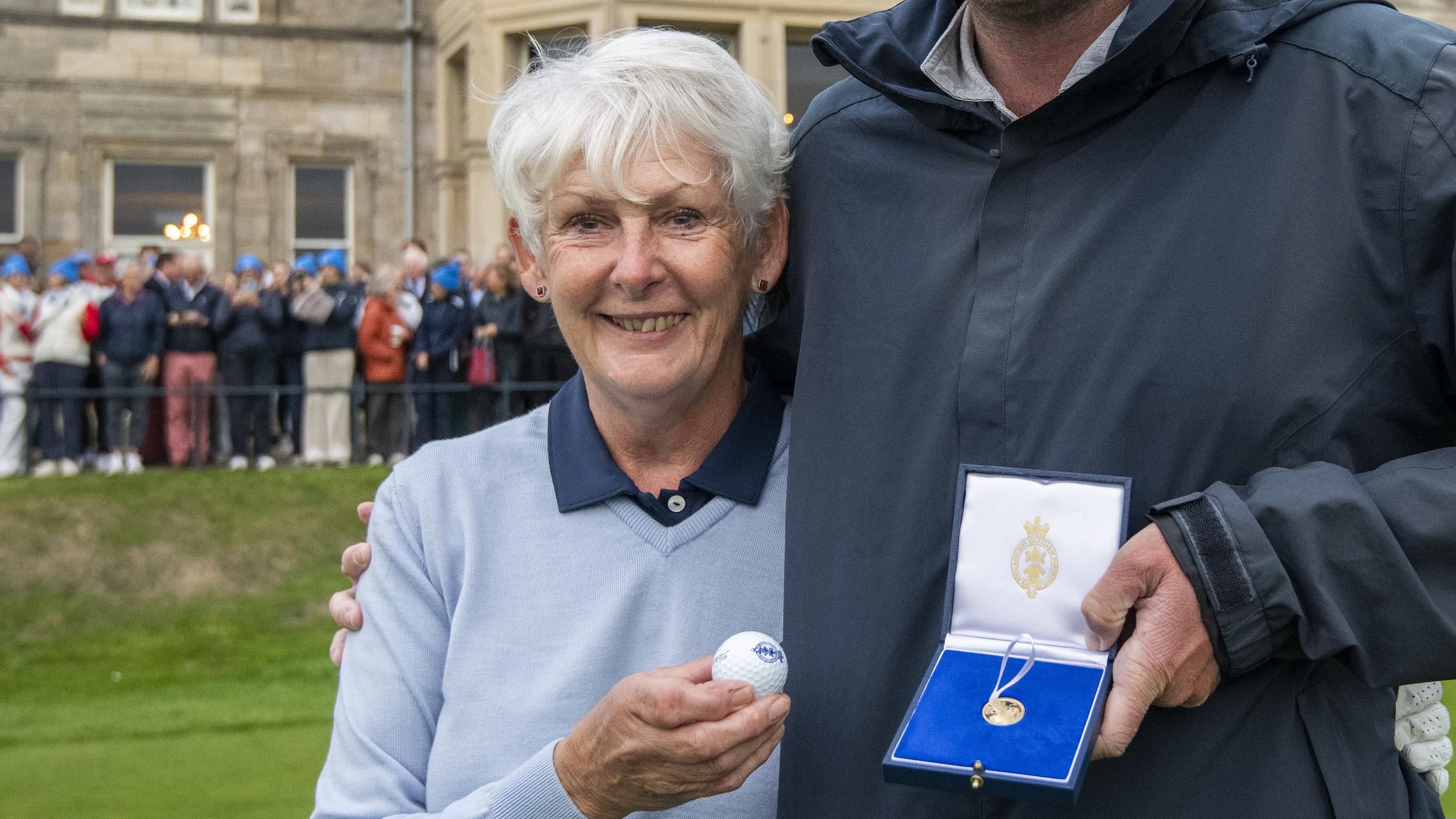 History Made At St Andrews As Royal And Ancient Golf Club Gets First Ever Female Captain
Claire Dowling made history at St Andrews on Friday as she took part in the traditional driving-in ceremony to become the first female captain of the Royal And Ancient Golf Club
-
 How Does Temperature Affect Golf Ball Performance?
Do you know much distance you're giving up to the weather? Resident golf ball expert Sam De’Ath puts three different golf balls at three different temperatures to the test


-
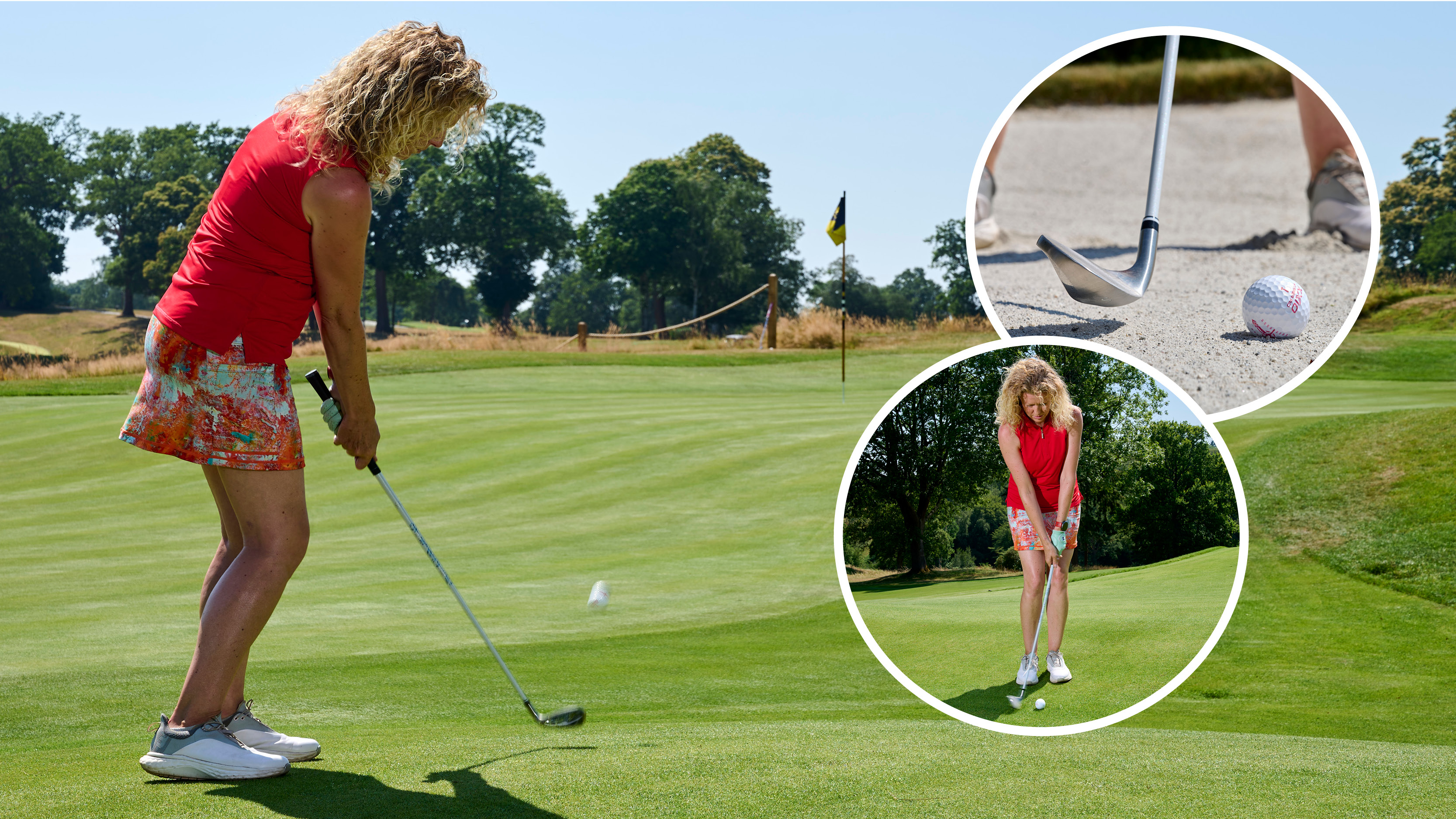 Stop Throwing Away Shots: Short Game Shot Savers
PGA Professional Katie Dawkins on simple setup tweaks to save shots from the sand and how to build effortless short game confidence.
-
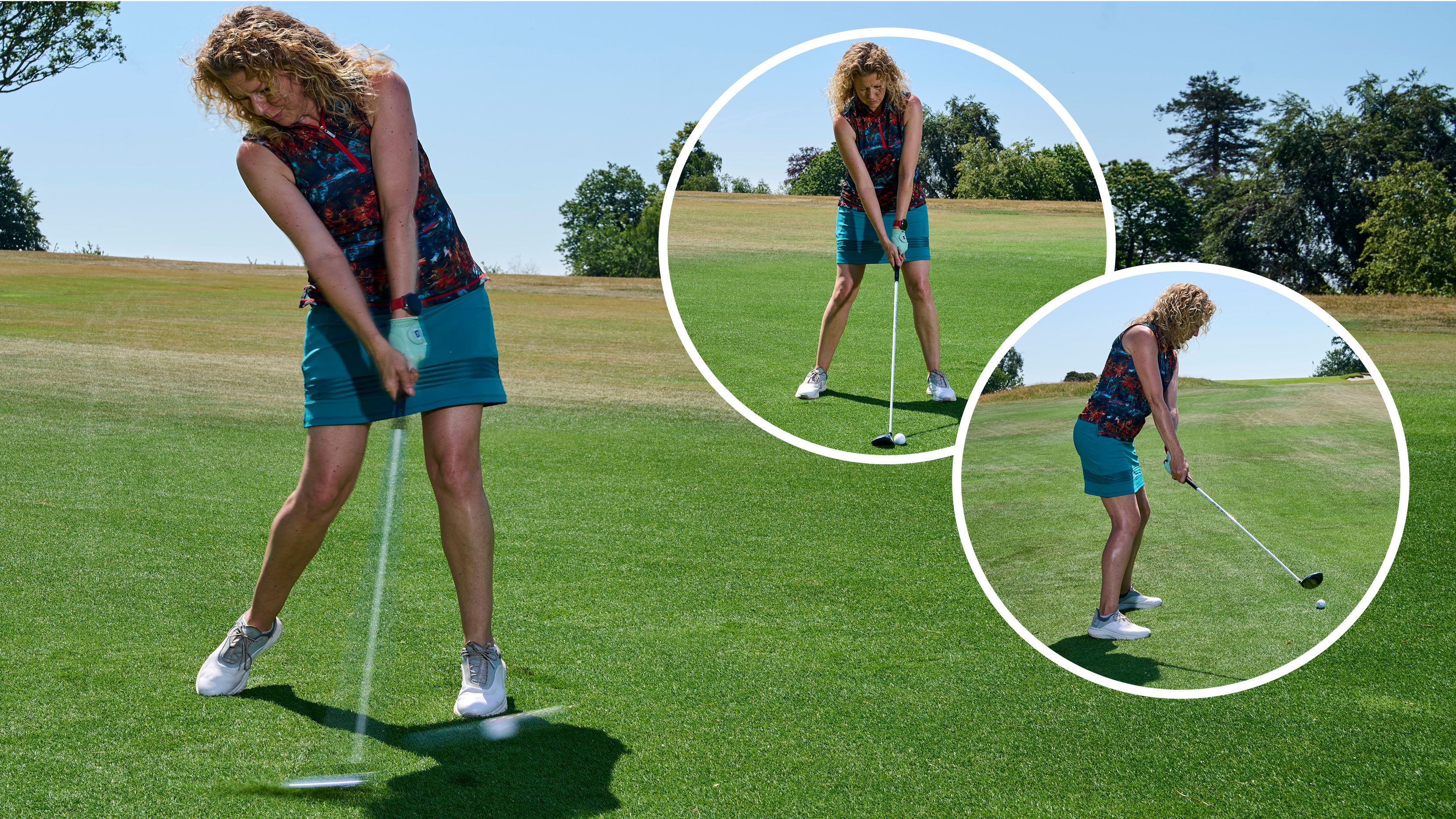 I’ve Coached Hundreds Of Golfers: This Is How To Fix Common Fairway Wood Mistakes
PGA Professional Katie Dawkins on the simple setup, swing, and loft secrets to get your fairway shots airborne with ease
-
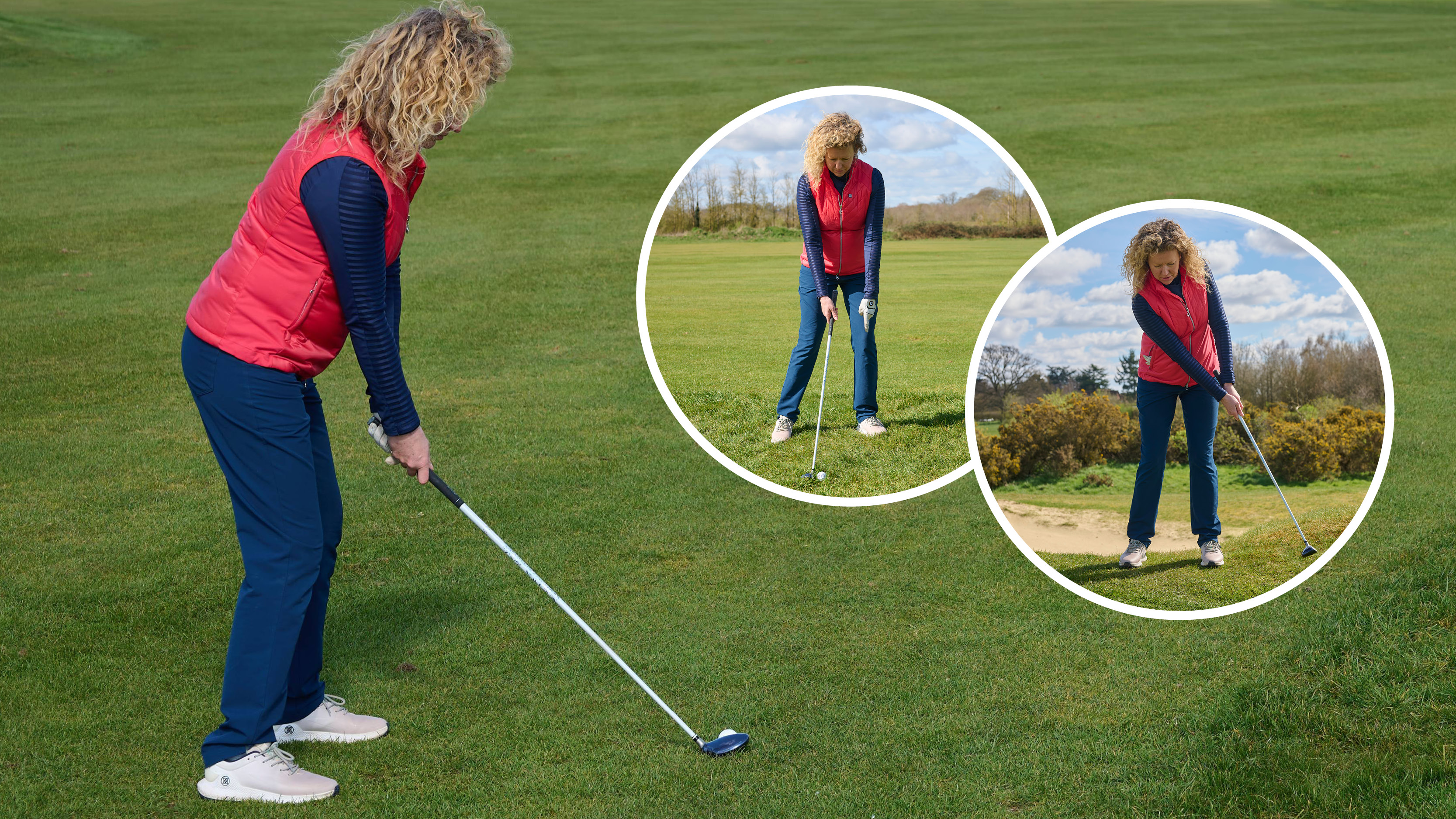 Why The Hybrid Is The Most Versatile Club In Your Bag... And How To Use It
PGA Professional Katie Dawkins on how to master the club that can hit any shot, from any lie
-
 4 Tips To Fix A Mid-Round Slump
PGA Professional Katie Dawkins shares her quick-fix tips to recharging your swing energy on the course
-
 Why Your First Tee Rhythm Fails: The Secret To A Smooth Start Every Round
PGA Professional Katie Dawkins shares her tips on how to calm your nerves and maintain your rhythm on the first tee
-
 How To Get More Distance With Your Irons Without Swinging Harder
PGA Professional Katie Dawkins shares her top drills for effortless iron play
-
 Stop Trying To Control The Ball: The Power Of Finishing Every Shot
PGA Professional Katie Dawkins on how a complete finish leads to better ball striking
-
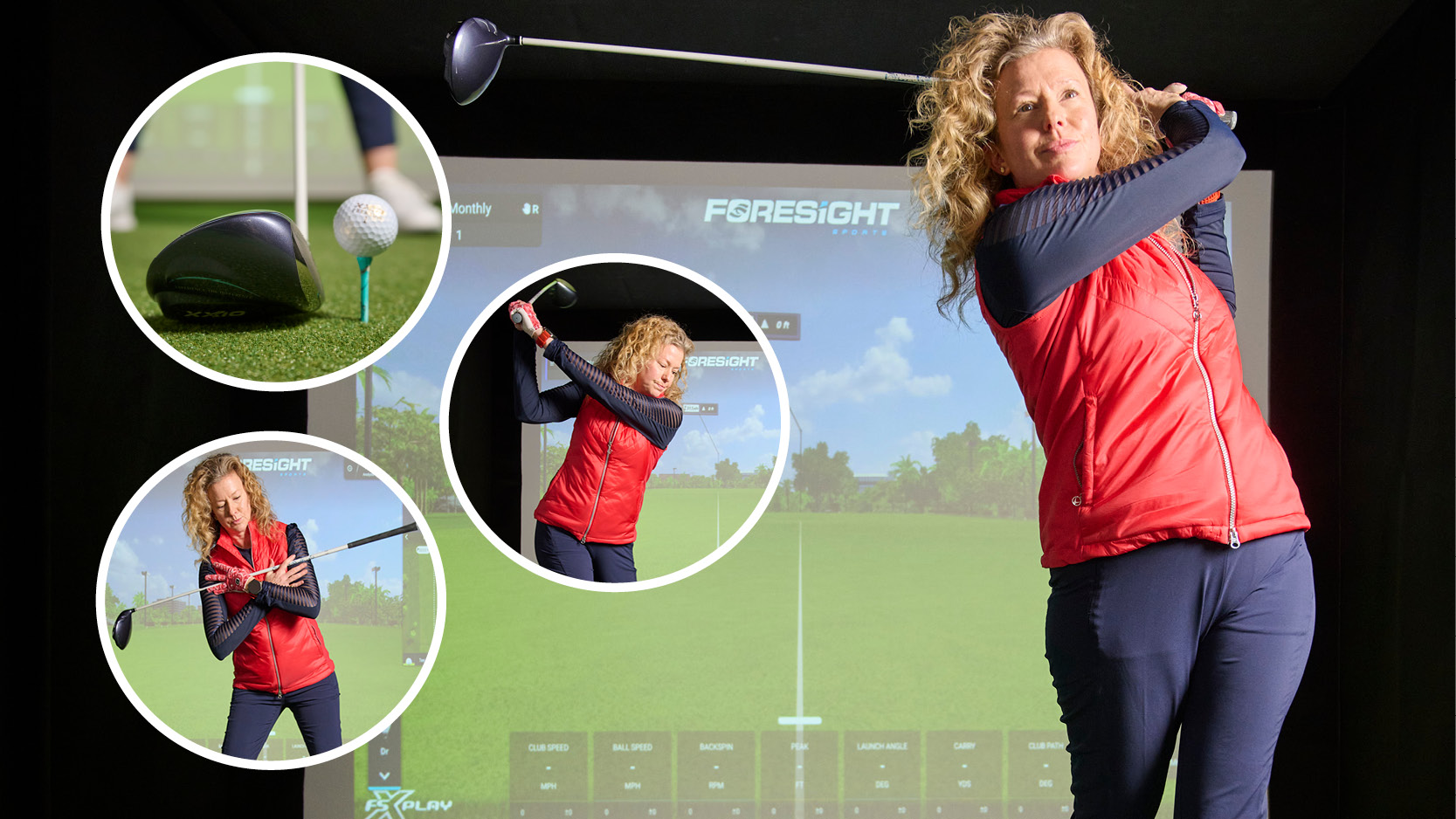 How To Increase Your Swing Speed Off The Tee Without Losing Control
PGA Professional Katie Dawkins on how to sharpen up your driver setup for greater distance and accuracy


